Shetland Islands
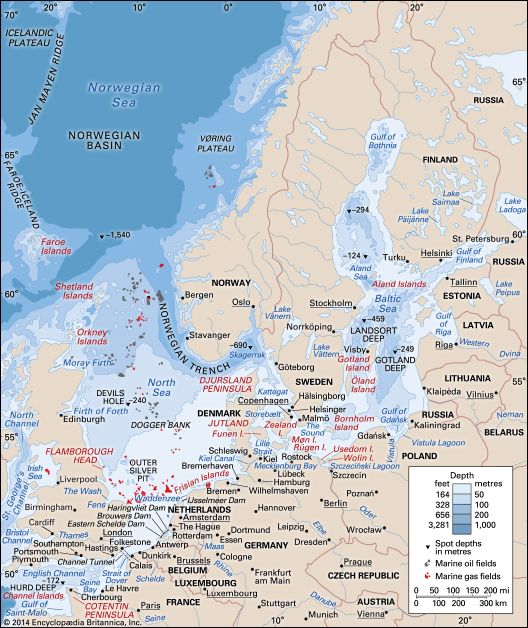
The discovery of North Sea oil has significantly transformed the Shetland Islands by providing a vital economic boost that slowed long-standing population…
How has the discovery of North Sea oil affected the Shetland Islands in recent decades?
The discovery of North Sea oil has significantly transformed the Shetland Islands by providing a vital economic boost that slowed long-standing population decline.1
A central development was the construction of the Sullom Voe terminal in the 1970s. As one of Europe’s largest facilities of its kind, it serves as a critical hub where crude oil from offshore fields is processed and loaded onto tankers. This project, which represented a major civil engineering achievement, integrated advanced technology into the islands’ traditional way of life.21
The industry has influenced the region in several key ways:
- Economic Growth: The local economy has benefited by providing essential goods and services to the oil industry.1
- Infrastructure: The development increased the importance of Sumburgh Airport and necessitated significant port and storage infrastructure.21
- Employment: The terminal has provided direct employment for hundreds of islanders, offering an alternative to traditional sectors like crofting and fishing alternative to traditional sectors like crofting and fishing.1
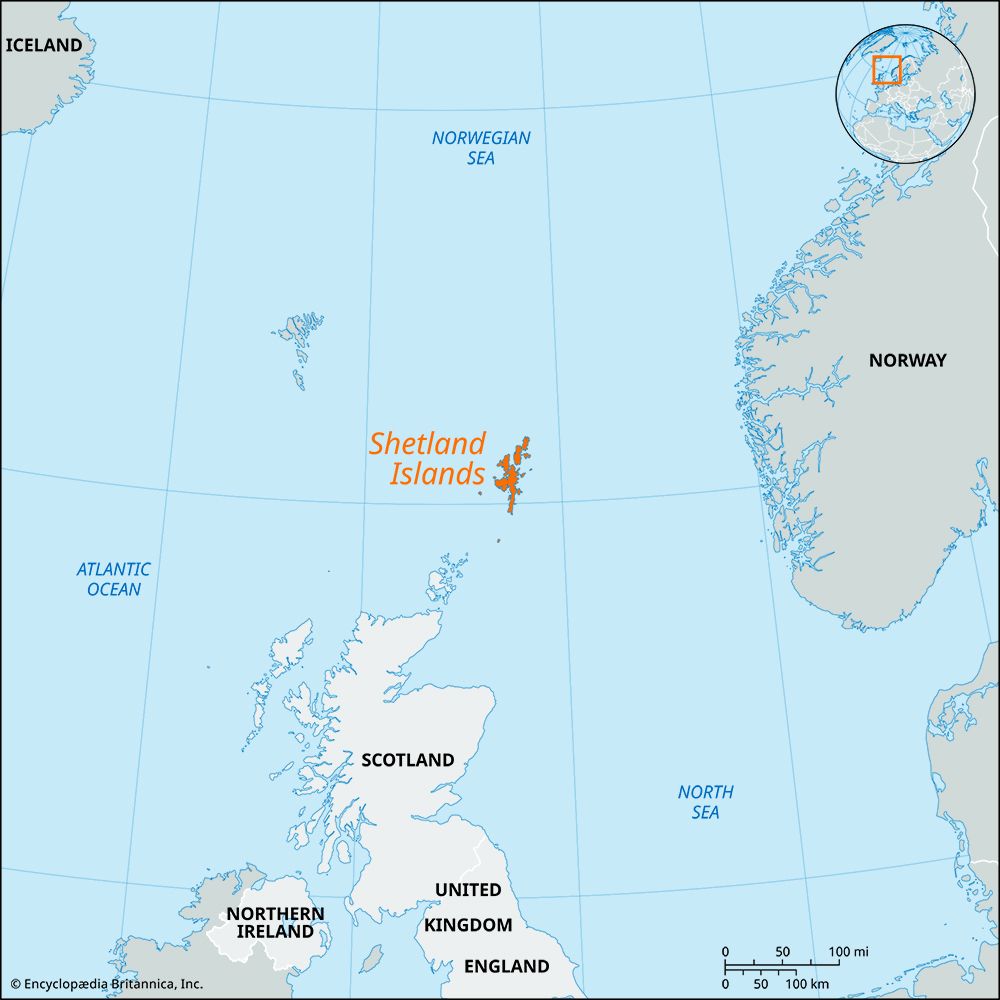
How has the unique history of the Shetland Islands shaped its culture and traditions?
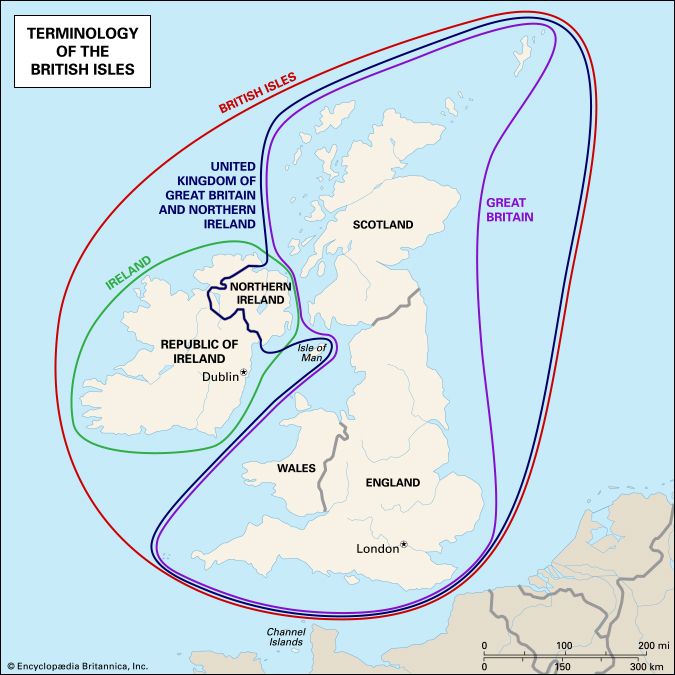
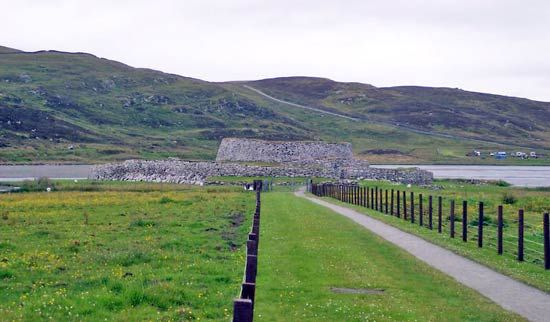
The culture and traditions of the Shetland Islands are deeply rooted in a unique history that distinguishes them from the rest of Scotland. Settled by Picts in prehistoric times, the islands were later invaded by Norsemen in the 8th and 9th centuries. This Norse influence was profound, as the islands remained under Scandinavian rule until they were annexed to the Scottish crown in the 15th century.24
This heritage is reflected in several enduring aspects of island life:
- Language and Customs: Until the 18th century, the primary language was Norn, a derivative of Old Norse. While English is now spoken, Norse linguistic influences remain, and many ancient customs persist.24
- Festivals: The islands celebrate Up-Helly-Aa, a festival held in late January that marks the end of the Yule season and highlights the islands’ Viking legacy.5
- Crafts: The traditional practice of crofting supports the production of fine wool, which is used to create distinctive Shetland and Fair Isle knitting patterns.2
- Heritage Preservation: The Shetland Museum and Archives in Lerwick preserves artifacts that document this distinct cultural evolution.2
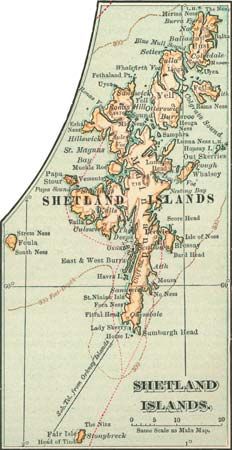
How do the traditional music and arts of the Shetland Islands reflect its cultural identity?
The provided search results do not contain information regarding the traditional music of the Shetland Islands. Therefore, I cannot provide an answer concerning that aspect of their cultural identity.
Regarding the arts, the Shetland Islands are internationally renowned for their distinctive textile traditions, which are deeply intertwined with the islands’ history and environment. The practice of crofting—a traditional form of small-scale agriculture—provides the fine wool used by local workers to create intricate knitwear. This craft is most famously expressed through:
- Shetland and Fair Isle Knitting: These styles are characterized by multicolored, repeating geometric patterns. The term Fair Isle specifically refers to this unique aesthetic, which originated on the southernmost island of the group and gained global recognition by the mid-19th century.267
These textile arts serve as a tangible reflection of the islands’ heritage, preserving techniques that have been passed down through generations despite the islands’ historical position outside the mainstream of Scottish traditions.2
What are the main economic activities and industries in the Shetland Islands?
The economy of the Shetland Islands is primarily driven by the energy sector, fishing, and traditional agriculture.
Energy Industry
The discovery of oil in the North Sea transformed the local economy, significantly slowing historical depopulation trends. A major component of this sector is the Sullom Voe terminal, one of the largest facilities of its kind in Europe. It processes crude oil transported via underwater pipelines from offshore fields, which is then loaded onto tankers for export. The islands also benefit from providing various goods and services to support the broader offshore petroleum industry.28
Fishing and Aquaculture
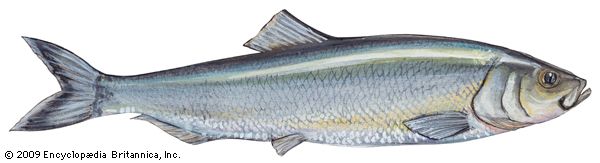
Fishing has historically been a cornerstone of the Shetland economy. While the traditional herring fishery centered in Lerwick declined in the mid-20th century, the industry remains vital, focusing on a wider variety of species. Additionally, aquaculture—specifically the farming of salmon and shellfish—is a significant contributor to the regional economy.21
Agriculture and Textiles
The primary form of agriculture is crofting, which involves small-scale farming and the grazing of sheep on common lands known as “scattalds.” The fine wool produced by the Shetland breed of sheep supports a specialized textile industry, where local workers create knitwear featuring traditional Shetland and Fair Isle patterns.2
Sources
- Sullom Voe — Encyclopædia Britannica
- Shetland Islands — Encyclopædia Britannica
- oil shale - Environmental issues — Encyclopædia Britannica
- Up-Helly-Aa — Merriam-Webster
- Scotland - The Norse influence — Encyclopædia Britannica
- A Ravel of Knitting Words | Fair Isle — Merriam-Webster
- Fair Isle — Merriam-Webster
- Scotland - Fishing — Encyclopædia Britannica
- Cabo Verde - Services — Encyclopædia Britannica
- Iceland - Agriculture and fishing — Encyclopædia Britannica
Published on · 4 min read