South Shetland Islands
The South Shetland Islands are an uninhabited island group located in the Drake Passage of the South Atlantic Ocean, approximately 90 miles (150 km) north of…
What is South Shetland Islands?
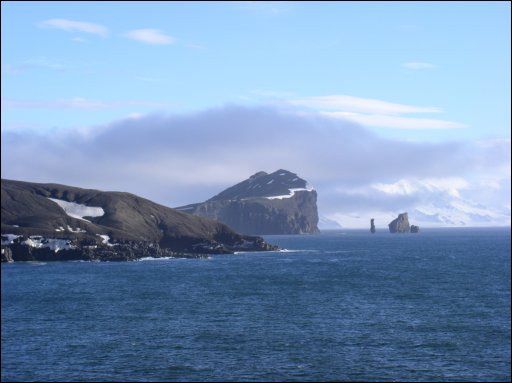
The South Shetland Islands are an uninhabited island group located in the Drake Passage of the South Atlantic Ocean, approximately 90 miles (150 km) north of the Antarctic Peninsula. Forming part of the British Antarctic Territory, the archipelago extends for about 320 miles (510 km) and covers a total area of 1,800 square miles (4,700 square km).123
The islands are characterized as barren and snow-covered. They were first sighted by the British sealer William Smith in 1819. Historically, the islands were utilized for sealing and whaling activities between 1906 and 1931, and they currently serve as sites for various Antarctic exploration bases, most notably on Deception Island.13
It is important to distinguish this group from the Shetland Islands, which are a populated group of islands located in Scotland, far to the north of the Antarctic region.4
What makes Deception Island unique compared to other islands in the group?
Deception Island is unique among the South Shetland Islands primarily because it is a sunken volcano. Its crater, which measures approximately 10 miles (16 km) in diameter, creates a natural harbor known as Port Foster.6
This geological formation distinguishes the island in several key ways:
- Superior Anchorage: The crater provides one of the best and most protected anchorages in the Antarctic, making it a vital hub for regional activity.6
- Strategic Importance: Because of its sheltered harbor, the island has served as a central port of entry for British claims in the Antarctic since 1910.6
- Historical and Scientific Use: Beyond its natural features, the island has a complex history of human occupation, including use as a whaling and seal-hunting station, a military base during World War II, and a site for research stations operated by Argentina, Chile, and the United Kingdom.6
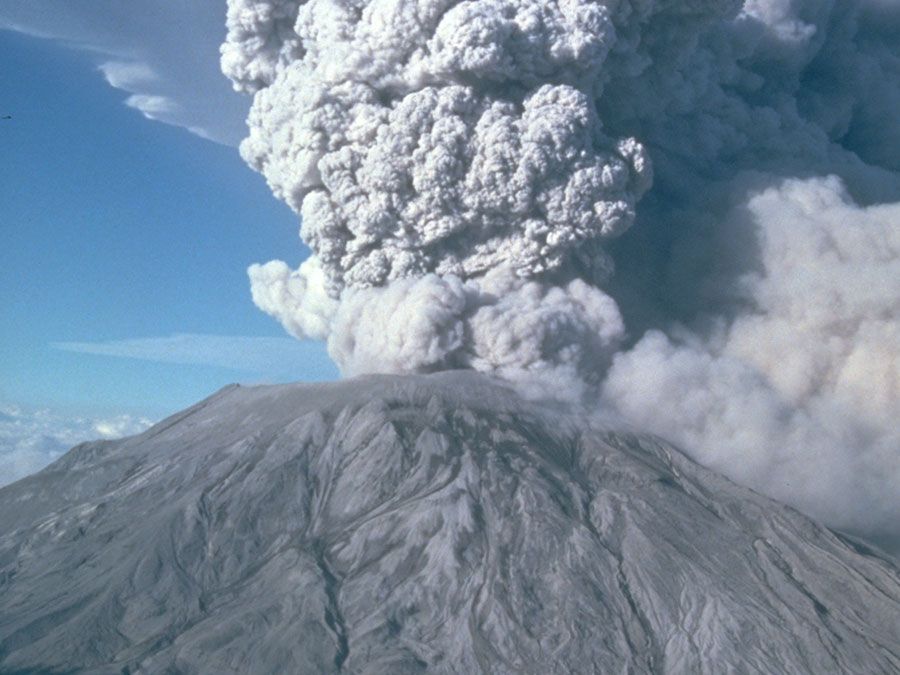
- Geological Activity: The island remains geologically dynamic, having experienced significant volcanic eruptions and earthquakes in 1967 and subsequent years.6
How does the climate of the South Shetland Islands affect the wildlife found there?
The harsh, cold climate of the South Shetland Islands significantly limits the terrestrial life found there, forcing the ecosystem to rely heavily on the surrounding marine environment. Because these islands are located south of the Antarctic Convergence, they experience an extreme environment that inhibits the development of complex land-based flora and fauna.910
Impact on Vegetation
The chilly, Antarctic climate restricts plant life to primitive, hardy communities. Unlike subantarctic islands that may support a wider variety of vascular plants, the South Shetland Islands are largely limited to simple vegetation such as lichens, mosses, and algae.10
Impact on Wildlife
- Marine Dependency: Because the land is barren and snow-covered, almost all wildlife depends on the sea for survival. The surrounding waters are highly productive, providing a rich supply of krill, fish, and squid that sustain immense populations of seabirds and marine mammals.1112
- Breeding Grounds: The absence of land-based mammalian predators makes the islands a haven for seabird rookeries. Various species of penguins, petrels, gulls, terns, skuas, and sheathbills utilize the islands as critical breeding grounds.1110
- Adaptations: The extreme cold has driven the evolution of specialized survival traits. For example, penguins have developed dense plumage and countercurrent heat-exchange systems in their limbs to conserve body heat while navigating freezing waters and ice.1314
What kind of scientific research is conducted at the stations in the South Shetland Islands?
Scientific research conducted at stations in the South Shetland Islands and the broader Antarctic region is diverse, encompassing a wide range of physical and biological sciences. Since the mid-20th century, exploration in this region has shifted from commercial interests, such as whaling and sealing, to extensive scientific inquiry coordinated by international bodies like the Scientific Committee on Antarctic Research (SCAR).15
Research efforts typically include:
- Physical Sciences: Studies often focus on meteorology, geophysics, and climate history. Scientists monitor atmospheric data, including the study of the ozone layer and the processes leading to its depletion.1718
- Biological Research: Biological programs investigate ecology and population studies, reflecting a global interest in conservation. This includes monitoring bird nesting grounds and marine life, such as krill, fish, and seals, to support the Commission for the Conservation of Antarctic Marine Living Resources.1517
- Geological and Geophysical Studies: Researchers conduct studies on continental drift, planetary geology, and the mapping of ice-covered bedrock using advanced technologies like airborne radio-echo sounding.17
- Astrophysics: The region’s unique atmospheric clarity and high geomagnetic latitude make it an ideal location for astrophysics and cosmic particle detection19.
Sources
- South Shetland Islands — Encyclopædia Britannica
- list of islands - United Kingdom — Encyclopædia Britannica
- Shetland Islands — Encyclopædia Britannica
- South Shetland Islands — Merriam-Webster
- Netherlands Antilles - Climate — Encyclopædia Britannica
- Deception Island — Encyclopædia Britannica
- Ross Island — Encyclopædia Britannica
- volcano - Submarine volcanoes — Encyclopædia Britannica
- Antarctica - Birds — Encyclopædia Britannica
- Falkland Islands - Land — Encyclopædia Britannica
- Polar ecosystem - The Antarctic region — Encyclopædia Britannica
- Antarctica - Sea life — Encyclopædia Britannica
- How do penguins stay warm? — Encyclopædia Britannica
- penguin - Form and function — Encyclopædia Britannica
- Scotia Sea — Encyclopædia Britannica
- Indian Ocean - Subantarctic and Antarctic zone — Encyclopædia Britannica
- Antarctica - Post-IGY research — Encyclopædia Britannica
- International law - Antarctica — Encyclopædia Britannica
- Antarctica - Climate of Antarctica — Encyclopædia Britannica
- Antarctica - The surrounding seas — Encyclopædia Britannica
Published on · 3 min read