Shoal
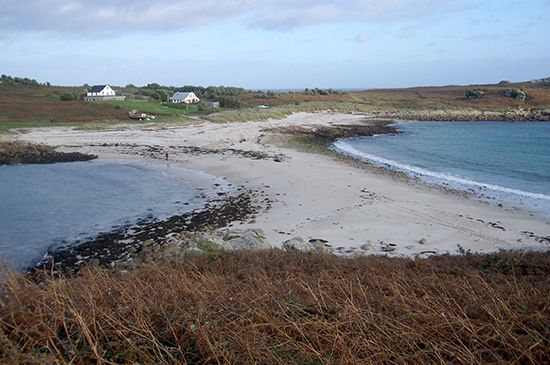
A shoal is an accumulation of sediment, such as sand or gravel, that forms in a river channel or on a continental shelf. These features create shallow areas…
What is shoal?
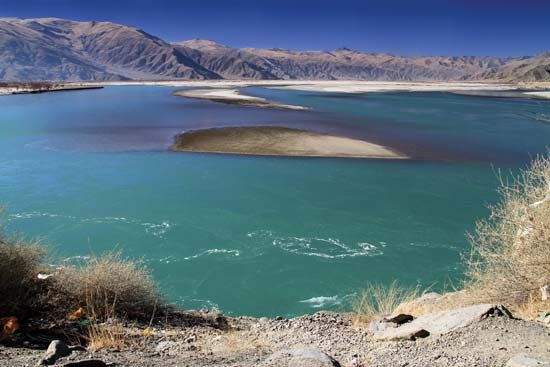
A shoal is an accumulation of sediment, such as sand or gravel, that forms in a river channel or on a continental shelf. These features create shallow areas in a body of water, which can pose significant navigation hazards to ships. On a continental shelf, a shoal is typically defined as being less than 10 meters (33 feet) below the water level at low tide.12
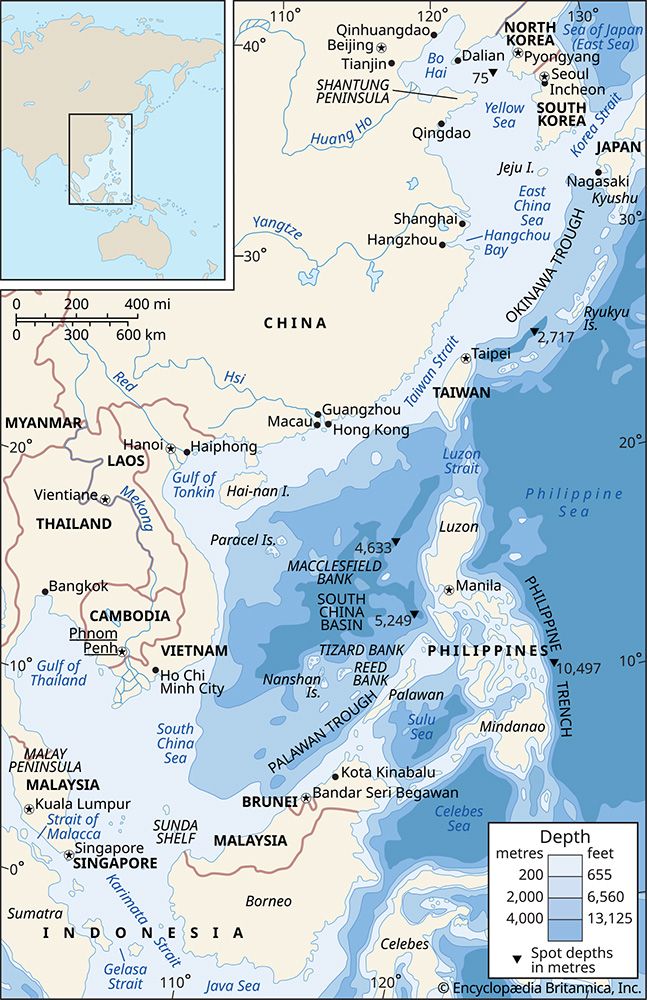
Shoals are formed by the same geological processes that create sandbars. Because they often occur in areas with rich marine life, such as the South China Sea, they can also hold substantial geopolitical and economic importance due to their value as fishing grounds.13
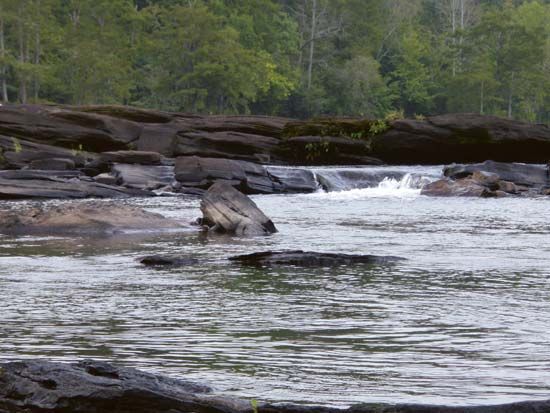
How do sandbars differ from shoals?
It is a common misconception that sandbars and shoals are distinct, unrelated geological features. In reality, they are essentially the same phenomenon; a shoal is often defined as a sandbank or sandbar that creates shallow water.14
Both features are accumulations of sediment—such as sand or gravel—that form in river channels or on continental shelves. Because they are formed by the same geological processes, the terms are frequently used interchangeably to describe shallow areas that pose potential hazards to maritime navigation. While a shoal is specifically categorized on a continental shelf as being less than 10 meters (33 feet) deep at low tide, it remains fundamentally a type of sandbar.1
What navigation tools help ships avoid shallow areas?
To navigate safely and avoid shallow areas, mariners rely on a combination of traditional tools and modern electronic systems designed to detect underwater hazards.
Charting and Visual Aids
- Nautical charts: These essential maps provide critical data, including water depth, the location of reefs and shoals, and the positions of navigation aids like lighthouses and radio beacons.6
- Buoys and Markers: Floating objects anchored at specific locations serve as visual guides to mark safe channels, approaches to harbors, and isolated dangers or wrecks.78
- Lighthouses: These structures provide a worldwide system of visual warnings to help prevent ships from running aground.9
Electronic Detection and Depth Measurement
- Echo sounding: This technology uses sonic pulses to measure the time it takes for a sound to travel to the seabed and return. By calculating this interval, ships can determine the precise depth of the water beneath them.1011
- Sonar: Beyond basic depth finding, sonar systems—including side-scan sonar—can detect underwater objects like rock pinnacles or wrecks that might not be directly beneath the ship’s track.1012
- Radar and Satellite Positioning: Modern position-fixing techniques allow ships to know their location continuously relative to fixed shore stations or satellite tracks, while aerial and satellite imagery can help identify the presence and shape of shoal areas.10
Why are shoals important for marine life?
The provided search results do not contain information regarding the specific importance of shoals for marine life. While the results discuss the geological nature of shoals and the impact of pollution on various coastal and shallow-water ecosystems, they do not explicitly detail the ecological role or benefits that shoals provide to marine organisms.
Sorry, the Britannica knowledge base does not contain this information.
Sources
- shoal — Encyclopædia Britannica
- shoals — Merriam-Webster
- Scarborough Shoal: Top Questions — Encyclopædia Britannica
- shoal — Merriam-Webster
- ocean basin - Sediment types — Encyclopædia Britannica
- surveying - Hydrography — Encyclopædia Britannica
- navigation - Other aids to navigation — Encyclopædia Britannica
- lighthouse - Buoys — Encyclopædia Britannica
- depth finder — Encyclopædia Britannica
- buoy — Encyclopædia Britannica
- map - Nautical charts — Encyclopædia Britannica
- navigation chart — Encyclopædia Britannica
- sonar — Encyclopædia Britannica
- navigation - Special systems — Encyclopædia Britannica
- conservation - Pollution — Encyclopædia Britannica
Published on · 2 min read