Sloth Bear
Sloth bears (Melursus ursinus) frequently come into conflict with humans, often leading to dangerous encounters. These interactions are driven by competition…
How do sloth bears interact with humans, and what are the conservation challenges they face?
Sloth bears (Melursus ursinus) frequently come into conflict with humans, often leading to dangerous encounters. These interactions are driven by competition for resources, as bears may damage crops or prey on livestock. Because sloth bears are potentially dangerous and have been known to attack people, these hostile encounters often result in human injury or death, which subsequently triggers retaliatory hunts that increase bear mortality.123
Conservation Challenges
The sloth bear is classified as a vulnerable species by the International Union for Conservation of Nature. Their populations face several critical threats:3
- Habitat Loss: The degradation and reduction of their natural forest environments significantly limit their range.31
- Illegal Hunting: Poachers target the species to harvest organs and body parts for the traditional medicine trade.3
- Exploitation: Young bears are sometimes captured for use in “dancing-bear” shows or the pet trade, a practice that stems from the misconception that bears are harmless, tame animals.312
It is essential to recognize that bears are wild animals deserving of respect and caution, rather than objects for human entertainment.2
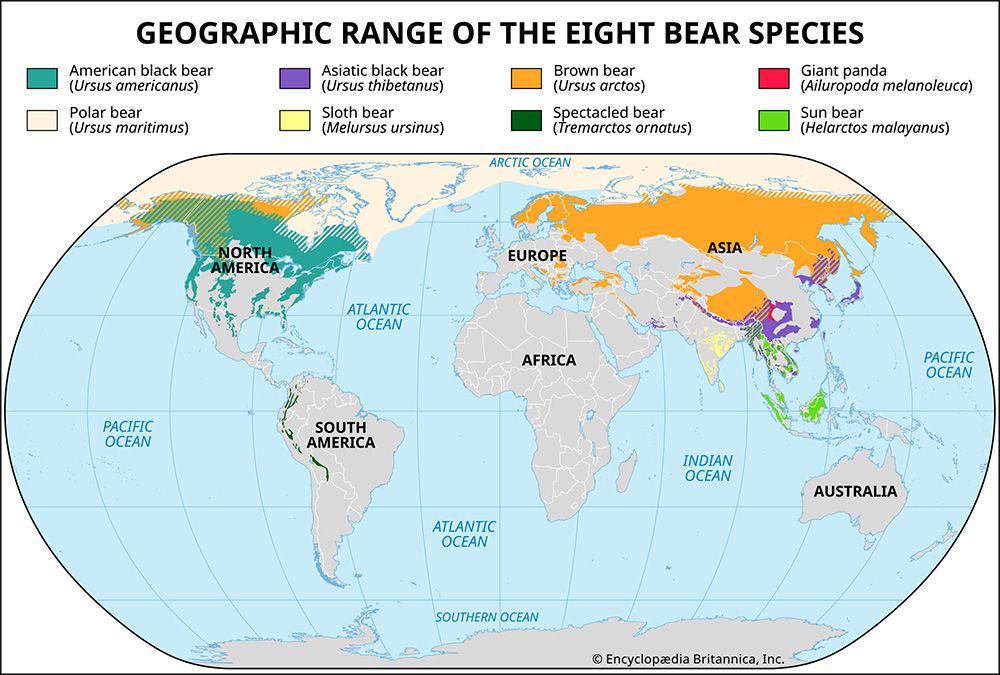
How did the sloth bear get its name, and is it related to sloths?
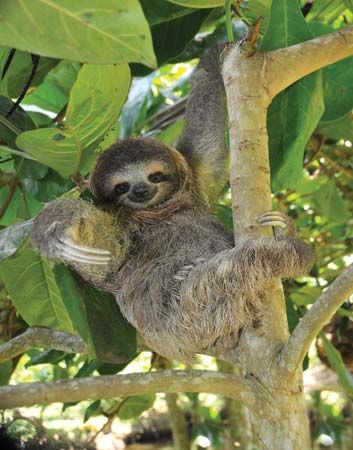
The sloth bear (Melursus ursinus) is not related to the sloth. While they share a name, they belong to entirely different biological groups; the sloth bear is a member of the bear family (Ursidae), whereas sloths are xenarthran mammals.4
The sloth bear received its name due to its slow-moving habits. Despite this moniker, the species is a highly specialized animal adapted for raiding insect colonies. It possesses long, curved front claws that allow it to dig into and rip open nests of termites or bees. To feed, the bear inserts its long snout into the nest and uses its protrusible lips to suck in insects through a gap in its teeth, which is caused by a natural lack of central upper incisors.41
How does the sloth bear’s diet differ from other bear species?
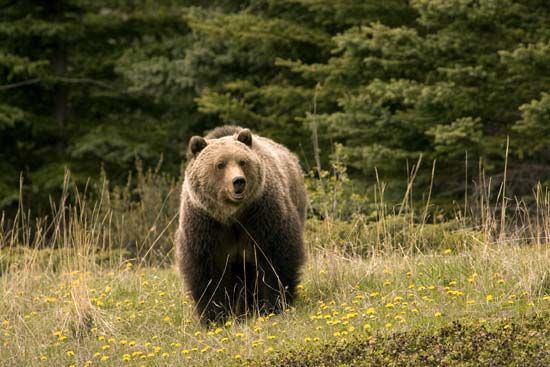
While most bear species are omnivorous, consuming a wide variety of vegetation and prey, the sloth bear (Melursus ursinus) is uniquely specialized for an insectivorous diet.16
Unlike other ursids, which may forage for berries, nuts, or hunt larger vertebrates like deer and seals, the sloth bear is primarily adapted to raid termite and bee colonies. To facilitate this, the sloth bear has evolved several distinct physical features:16
- Specialized Snout and Lips: It possesses a long snout and protrusible, funnel-like lips that allow it to suck in insects with great efficiency.16
- Dental Adaptations: The bear lacks central upper incisors, creating a gap that serves as a suction point for its prey.1
- Protective Mechanisms: It can close its nostrils to prevent insects from entering its respiratory passages while feeding.1
- Powerful Claws: It uses long, curved front claws to rip open tough insect nests.1
While insects are their primary food source, sloth bears do supplement their diet with fruit, honey, grains, and small vertebrates, similar to other omnivorous bears.16
What are the distinctive physical characteristics of a sloth bear?
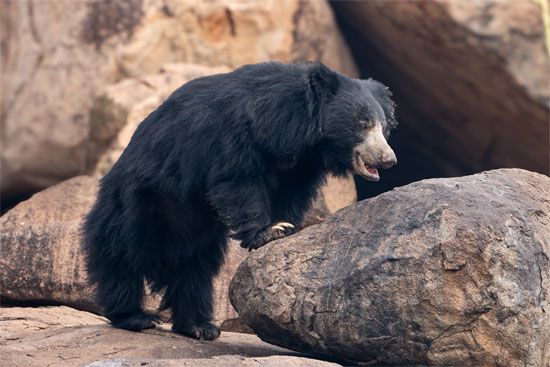
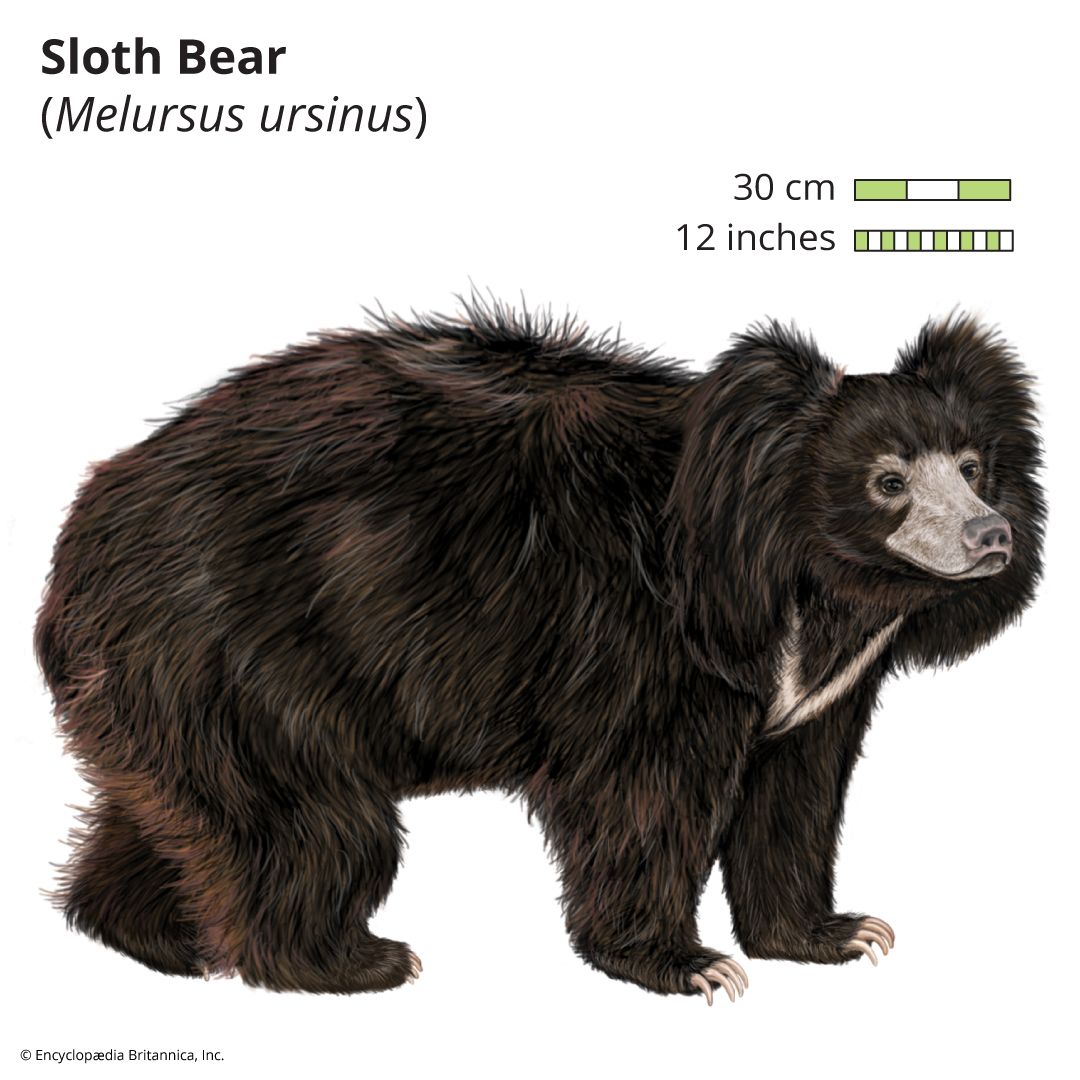
The sloth bear (Melursus ursinus) possesses several distinctive physical characteristics adapted for its specialized lifestyle:
- Size and Build: An adult typically stands about 75 cm (30 inches) tall at the shoulder, reaches approximately 1.5 meters (5 feet) in length, and weighs between 91 and 113 kg (200–250 pounds). It has a short tail measuring 7–12 cm.1
- Coat: The bear is covered in a shaggy black coat, which can be tinged with shades of gray, red, or brown. The hair is longest between the shoulders. A notable feature is the whitish to yellowish hair that marks the snout and forms a crescent or chevron pattern on the chest.1
- Facial and Dental Adaptations: The sloth bear has a long snout and highly mobile, protrusible lips. It lacks a pair of central upper incisors, creating a gap that allows the bear to suck in insects efficiently.15
- Claws and Feet: Like other bears, it walks in a plantigrade fashion. It features large, nonretractile claws, with those on the front feet being particularly long and curved to facilitate digging into insect nests.15
Sources
- sloth bear — Encyclopædia Britannica
- bear - Conservation status — Encyclopædia Britannica
- 9 of the World’s Deadliest Mammals - Bears (Family Ursidae) — Encyclopædia Britannica
- sloth bear — Merriam-Webster
- bear - Form and function — Encyclopædia Britannica
- bear - Natural history — Encyclopædia Britannica
Published on · 3 min read