9 of the World’s Deadliest Mammals
While the provided search results discuss various dangerous animals, they do not contain a complete list of "9 of the world’s deadliest mammals." The…
What are 9 of the World’s Deadliest Mammals?
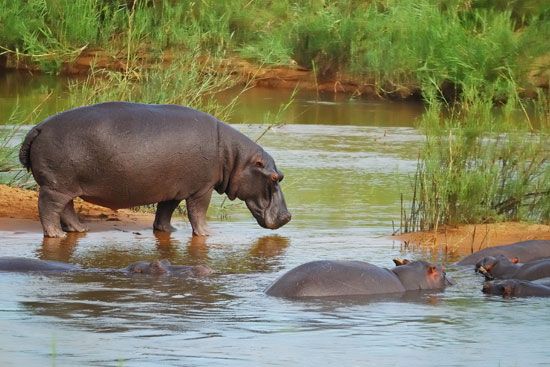
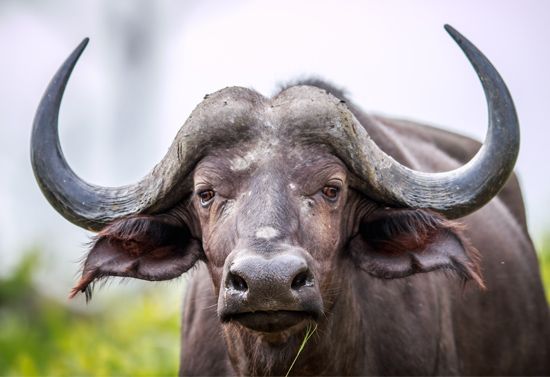
While the provided search results discuss various dangerous animals, they do not contain a complete list of “9 of the world’s deadliest mammals.” The available information highlights specific examples of mammals known for their potential to cause human harm, such as the hippopotamus, which is responsible for hundreds to thousands of human deaths annually due to its territorial nature. Additionally, the Cape buffalo is noted as a formidable and aggressive animal in Africa.123
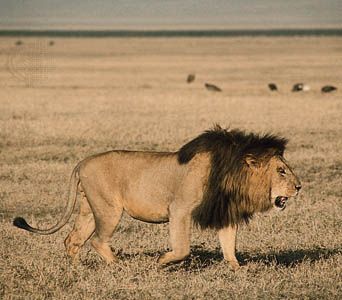
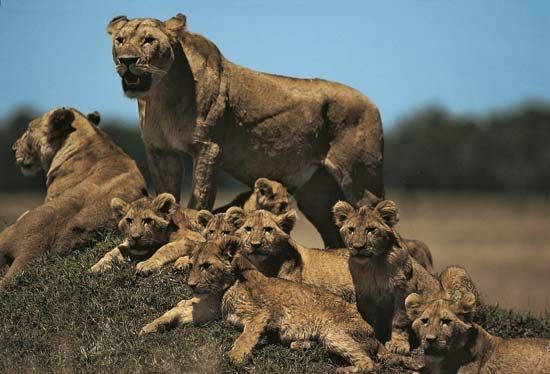
Other mammals, such as lions, tigers, and bears, are mentioned as being known for their ferocity1. Furthermore, many small mammals, including rats and mice, are considered deadly in a different sense, as they serve as reservoirs for serious diseases like plague, rabies, and Ebola.4
Because the Britannica knowledge base does not provide a single, definitive list of exactly nine specific mammals categorized as the “deadliest,” I cannot fulfill that specific request.

What are the primary reasons mammals attack humans?
Mammals generally do not seek out humans as prey; rather, attacks typically occur due to specific behavioral triggers, environmental stressors, or defensive instincts. While large carnivores like lions, tigers, and bears are capable of inflicting severe harm, such encounters are often situational rather than predatory by nature.910
The primary reasons for these aggressive interactions include:
- Defense and Protection: Many mammals act aggressively when they feel threatened or are protecting their young. Defensive behaviors, such as ear flattening or posturing, are common, but if an animal feels cornered or its offspring are at risk, it may escalate to a direct attack.1112
- Territoriality: Animals often defend specific areas to secure resources like food, shelter, or mating grounds. If a human inadvertently enters a defended territory, the animal may perceive the person as a rival or an intruder and respond with aggression to exclude them.11131
- Resource Competition: Aggression is frequently driven by the need to secure food or mates. When resources are scarce, animals may become more territorial or aggressive toward any perceived competitor.111
- Provocation and Hunger: Large carnivores may attack when they are hungry or if they are provoked. In many cases, animals prefer to avoid humans and will only engage if they feel they have no other choice.9
- Disease: Some mammals, particularly carnivores like raccoons, skunks, and foxes, can transmit diseases such as rabies. An infected animal may exhibit erratic or aggressive behavior that leads to an attack.10
How do conservationists protect endangered species that are considered dangerous?
Conservationists employ a variety of strategies to protect endangered species, including those that are considered dangerous, by focusing on habitat preservation, legal enforcement, and direct intervention.
Habitat Protection and Connectivity
A primary conservation goal is to secure habitats large enough to support viable populations. Because fragmented habitats can lead to increased demographic risks, conservationists often create wildlife corridors to link isolated areas. This allows animals to move safely between protected zones, reducing the likelihood of human-wildlife conflict that can occur when animals wander into developed areas in search of resources.1516
Legal and Enforcement Measures
Direct protection is essential for species threatened by hunting or illegal trade. National laws, such as the Endangered Species Act, and international agreements like the Convention on International Trade in Endangered Species (CITES), prohibit the killing or commercial trade of designated species.1718
To combat poaching, which remains a major threat to large, dangerous mammals like rhinoceroses and tigers, conservation programs employ game wardens to patrol reserves. These efforts are often dangerous, as confrontations between wardens and organized poachers can be violent. Governments also work to deter smuggling through border customs and by destroying confiscated wildlife products to signal that the commercial value of these animals must be eliminated to ensure their survival.1718
What diseases can be transmitted from wild mammals to humans?
Diseases transmitted from animals to humans are known as zoonotic diseases, or zoonoses. These conditions can be caused by bacteria, viruses, parasites, or fungi and are often spread through direct contact, bites, or exposure to contaminated environments.192021
Common Zoonotic Diseases
- Rabies: A viral disease commonly transmitted via the saliva of infected mammals through bites. While often associated with dogs, it can infect almost all mammals, including raccoons, skunks, and foxes.191421
- Viral Hemorrhagic Fevers: Diseases such as Ebola and Marburg are transmitted by various animals, including monkeys and rodents.19
- Bacterial Infections:
- Salmonellosis: Can be contracted through contact with rodents or other animals.19
- Leptospirosis: Spread through contact with the urine of infected rodents or other mammals.1914
- Plague: Associated with contact with wild rodents and their fleas.2022
- Rat-bite fever: Transmitted through the bites of infected rodents.2221
- Parasitic Conditions: Giardiasis is a common waterborne disease that can be spread by a wide variety of wild and domestic animals.19
- Poxviruses: Acquired through contact with infected primates or other mammals.19
Transmission often occurs when humans live in close proximity to wildlife or through activities like hunting and consuming bush meat. Public health experts emphasize that limiting contact with wild animals is a critical strategy for reducing the risk of these infections.20
Sources
- 9 of the World’s Deadliest Mammals — Encyclopædia Britannica
- mammal - Importance to humans — Encyclopædia Britannica
- 7 Crocodilian Species That Are Dangerous to Humans — Encyclopædia Britannica
- Why are hippos dangerous? — Encyclopædia Britannica
- 9 of the World’s Deadliest Mammals - Hippopotamuses ( Hippopotamus amphibius ) — Encyclopædia Britannica
- Cape buffalo: Top Questions — Encyclopædia Britannica
- Cape buffalo — Encyclopædia Britannica
- 9 of the World’s Deadliest Snakes — Encyclopædia Britannica
- Aggressive behaviour - The nature of animal aggression — Encyclopædia Britannica
- Avoidance behaviour - Protection reflexes, armour, and spines — Encyclopædia Britannica
- Territorial behaviour — Encyclopædia Britannica
- Aggressive behaviour - Territorial behaviour — Encyclopædia Britannica
- Aggressive behaviour - Physiological causes of aggression — Encyclopædia Britannica
- carnivore - Importance of Carnivora — Encyclopædia Britannica
- conservation - Preventing the loss of biodiversity — Encyclopædia Britannica
- conservation - Habitat connections — Encyclopædia Britannica
- conservation - Protecting species — Encyclopædia Britannica
- poaching — Encyclopædia Britannica
- 8 Zoonotic Diseases — Encyclopædia Britannica
- zoonotic disease — Encyclopædia Britannica
- rodent - Importance to humans — Encyclopædia Britannica
- animal disease - Zoonoses — Encyclopædia Britannica
Published on · 4 min read