South Mountain
The term "South Mountain" refers to two distinct geographical locations in the United States:
What is South Mountain?
The term “South Mountain” refers to two distinct geographical locations in the United States:
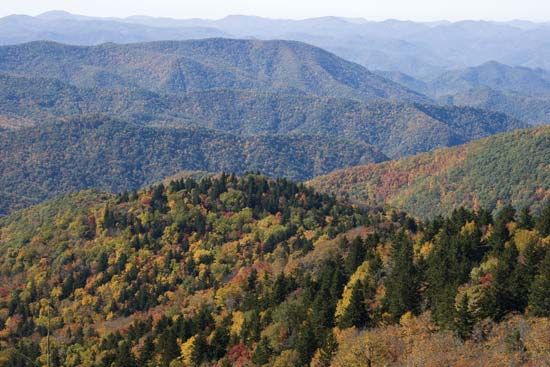
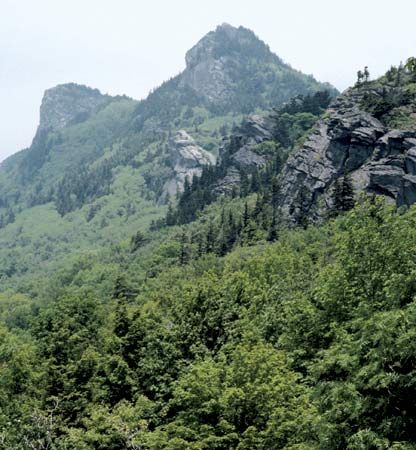
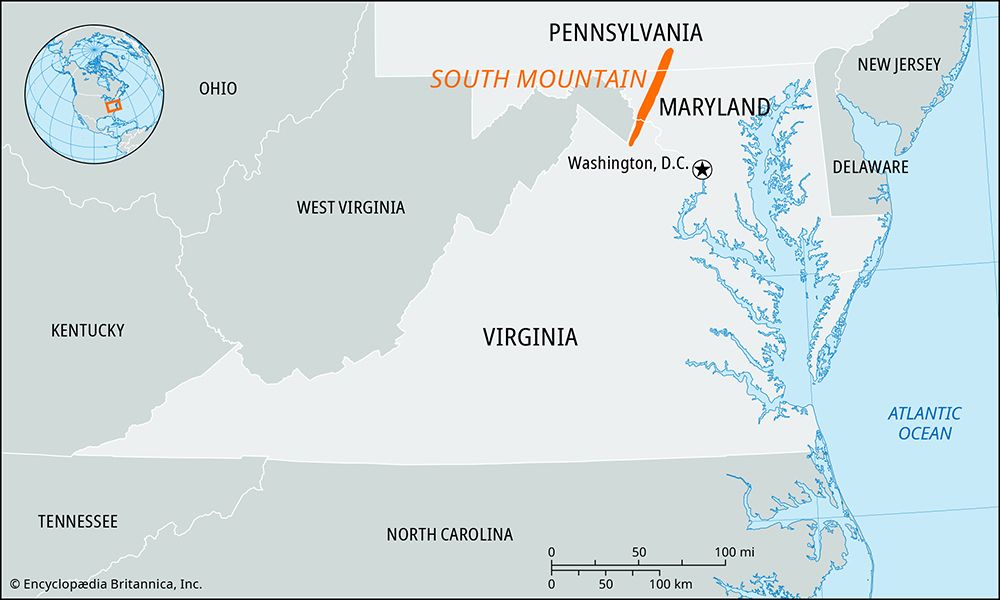
- Appalachian Range: South Mountain is the northernmost section of the Blue Ridge in the Appalachian Mountains. It stretches 65 miles (105 kilometers) from southern Pennsylvania through Maryland to northern Virginia. Its highest point is Quirauk Mountain in Maryland, and the range is traversed by the Appalachian Trail. It is also historically significant as the site of the American Civil War Battle of South Mountain, which occurred in 1862.12
- Phoenix, Arizona: South Mountain Park is a 17,000-acre (6,900-hectare) municipal park located on the south side of Phoenix, Arizona. It is recognized as one of the largest city-operated parks in the United States, providing a natural desert-foothills environment for the city’s residents.3
What is the significance of the Blue Ridge Mountains?
The Blue Ridge Mountains are a significant segment of the Appalachian Mountains, extending 615 miles from Pennsylvania to Georgia. Their importance is defined by several key factors:
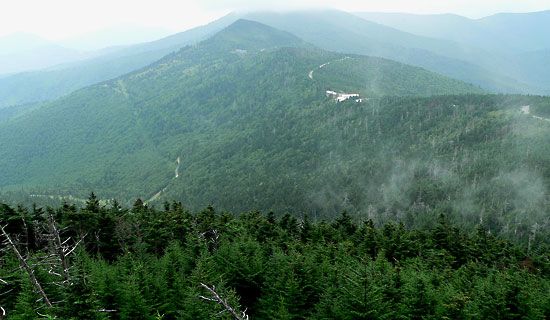
- Geographic Prominence: The range forms the high, slender eastern core of the Appalachians. It contains the highest elevations in the entire system, including Mount Mitchell, which at 6,684 feet is the highest peak east of the Mississippi River.56
- Ecological and Scenic Value: The region is home to diverse hardwood forests and over 700 cataloged varieties of trees and plants. It features iconic landscapes accessible via the Skyline Drive and the Blue Ridge Parkway, which connect major protected areas like Shenandoah National Park.5
- Cultural Heritage: The area is renowned for its traditional, folk, and bluegrass music, celebrated at the Blue Ridge Music Center. Historically, it has been characterized by small-scale agriculture and a unique cultural identity rooted in its relative isolation.5
- Economic and Natural Resources: The mountains provide timber, mineral deposits, and serve as a watershed for major rivers, including the Potomac and James.5
What happened during the Battle of South Mountain?
The Battle of South Mountain took place on September 14, 1862, near Burkittsville, Maryland, during the American Civil War.1
Following the discovery of Confederate General Robert E. Lee’s “Lost Orders” (Special Order 191), which detailed the division of his forces, Union General George B. McClellan moved to strike the Confederate army before it could reunite. Lee had ordered Maj. Gen. D.H. Hill to hold the mountain passes to delay the Union advance while other Confederate units, led by Stonewall Jackson, completed the capture of Harpers Ferry.9
The engagement resulted in a convincing Union victory, as McClellan’s forces successfully pushed through the passes. However, the Confederate defenders managed to delay the Union advance long enough for Lee to begin consolidating his scattered forces. This delay proved critical, as it allowed the Confederate army to regroup near Sharpsburg, setting the stage for the Battle of Antietam just days later.910
How does the geography of the Appalachian Trail vary?
The geography of the Appalachian National Scenic Trail is remarkably diverse, reflecting the complex geological history of the Appalachian Mountains. Stretching approximately 2,190 miles, the trail traverses varied terrain shaped by erosion, glaciation, and distinct rock formations.136
- Rugged Northern Terrain: In Maine and the White Mountains of New Hampshire, the trail features some of its most challenging geography. Trekkers encounter steep 4,000-foot peaks and sections that lie exposed above the tree line, where conditions can be harsh and subarctic.1314
- Southern Highlands and Forests: The southern portion is characterized by heavily forested wilderness and high-elevation areas. The trail reaches its highest point of 6,643 feet at the summit of Kuwohi in the Great Smoky Mountains. This region also features “grassy balds”—elevated areas devoid of woody plants—and lush forests.13
- Geological Variety: The route crosses diverse landscapes, including the Shenandoah National Park and the Blue Ridge Parkway. The underlying geology shifts from crystalline rocks to the folded sedimentary ridges and valleys that define much of the Appalachian system.136
Sources
- South Mountain — Encyclopædia Britannica
- South Mountain — Merriam-Webster
- Phoenix - Municipal services — Encyclopædia Britannica
- Phoenix - Cultural life — Encyclopædia Britannica
- Blue Ridge — Encyclopædia Britannica
- United States - The Appalachian Mountain system — Encyclopædia Britannica
- Appalachian Highlands — Encyclopædia Britannica
- North Carolina - Relief — Encyclopædia Britannica
- Battle of Antietam - Lee ’s invasion of Maryland — Encyclopædia Britannica
- Battle of Antietam — Encyclopædia Britannica
- Battle of Fredericksburg — Encyclopædia Britannica
- Battle of Antietam - Casualties and aftermath — Encyclopædia Britannica
- Appalachian National Scenic Trail — Encyclopædia Britannica
- Appalachian Mountains - Climate — Encyclopædia Britannica
Published on · 3 min read