Spitsbergen
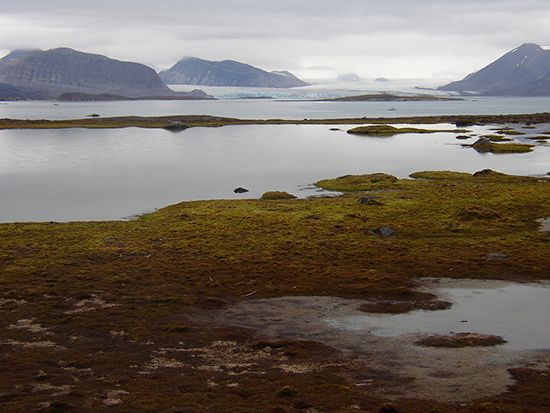
Spitsbergen, the largest island in the Svalbard archipelago, derives its name from the Dutch words meaning "pointed mountains," a description of its rugged…
How did Spitsbergen get its name, and what is its history of exploration and settlement?
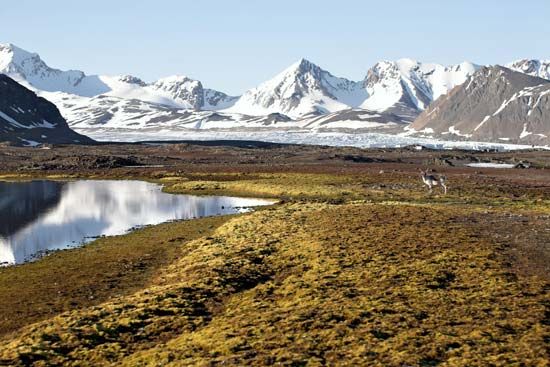
Spitsbergen, the largest island in the Svalbard archipelago, derives its name from the Dutch words meaning “pointed mountains,” a description of its rugged, mountainous terrain.12
Exploration and Settlement
While the Icelandic Annals suggest the archipelago was discovered in 1194, it remained largely unknown to the modern world until Dutch explorers Willem Barents and Jacob van Heemskerck rediscovered it in 1596. By 1611, the region became a hub for international whaling, leading to territorial disputes among Dutch, English, French, and other European whalers.2
Following the decline of the whaling industry by 1800, the focus shifted to coal mining in the early 20th century. Sovereignty was resolved in 1920, granting Norway possession while ensuring equal mineral rights for other nations. Today, only Norway and Russia continue to operate mines on the island. Beyond mining, Spitsbergen serves as a vital base for scientific research, including the Global Seed Vault, which preserves plant strains against global catastrophe.2
What scientific research stations are located on Spitsbergen, and what kind of studies do they conduct?
Spitsbergen serves as a significant hub for international scientific research, leveraging its unique Arctic environment for diverse studies.
Research Infrastructure
The primary center for scientific activity is the Svalbard Science Centre, which opened in 2006. This facility serves as a collaborative base for several key institutions:3
- Norwegian Polar Institute: This organization conducts extensive research and furthers the work of historical polar expeditions, focusing on mapping, geology, and natural history.37
- University Centre in Svalbard: Established in 1993, this is the world’s northernmost institute of higher education, providing academic research and training in Arctic-related disciplines.3
- Svalbard Museum: While primarily a cultural institution, it is housed within the Science Centre and supports the dissemination of knowledge regarding the region’s history and environment.3
Key Research Focus
Scientific work on the island has evolved from early 19th-century geological and natural history surveys to modern, specialized research. A prominent example of specialized infrastructure is the Svalbard Global Seed Vault. While not a traditional research station, it functions as a critical global facility that safeguards the genetic diversity of food crops against threats like global warming, nuclear war, and plant diseases. Researchers and agricultural organizations utilize this vault to preserve and study drought- and heat-resistant crop strains.738
What is the geographical location and significance of Spitsbergen in the Arctic region?
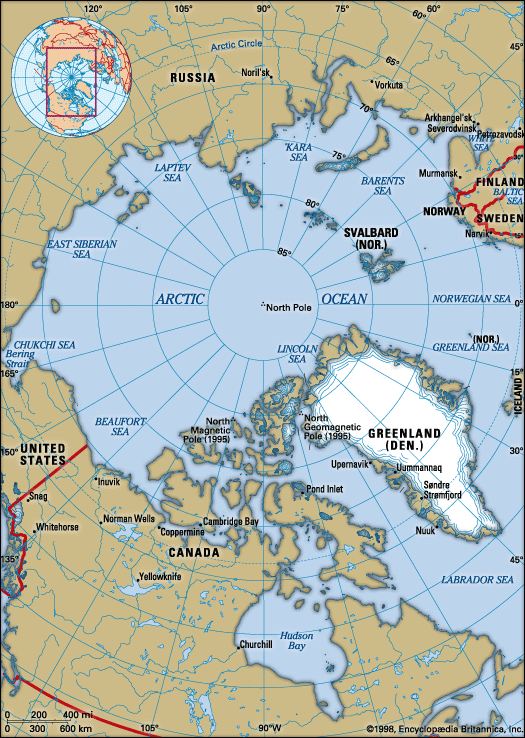
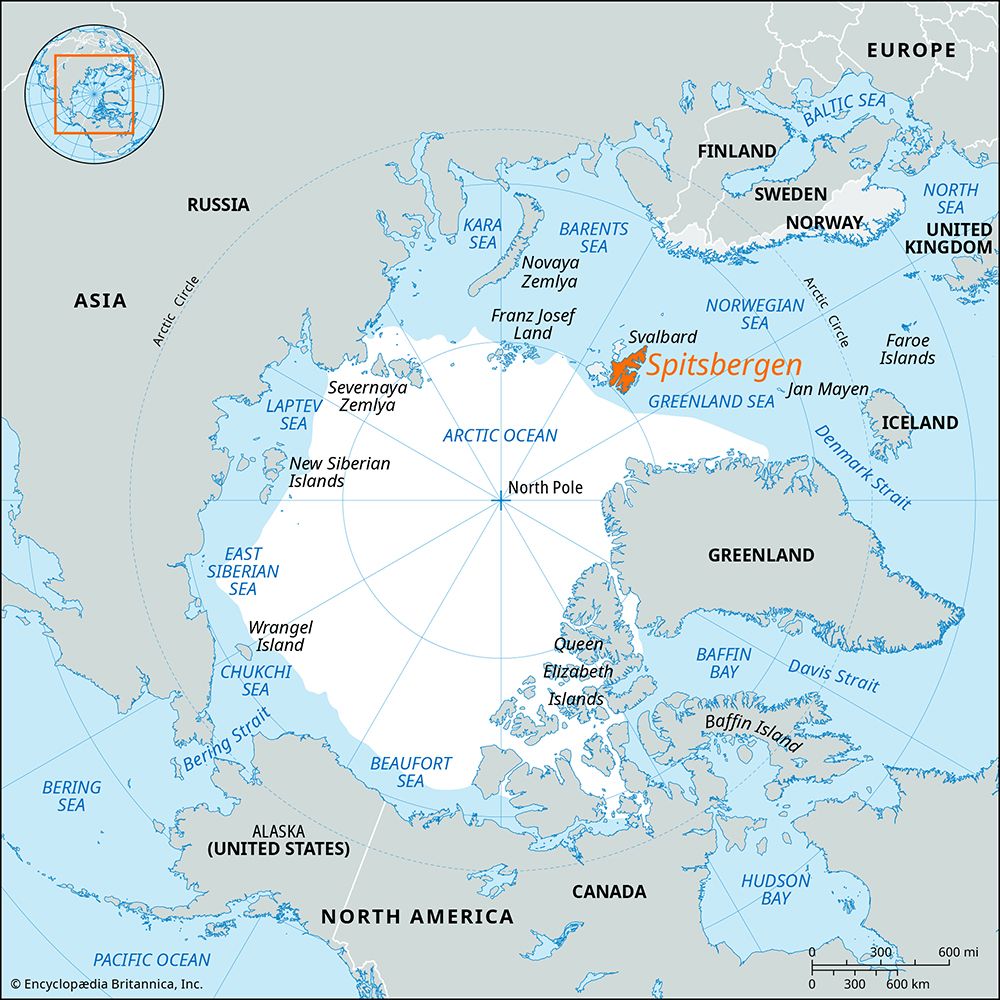
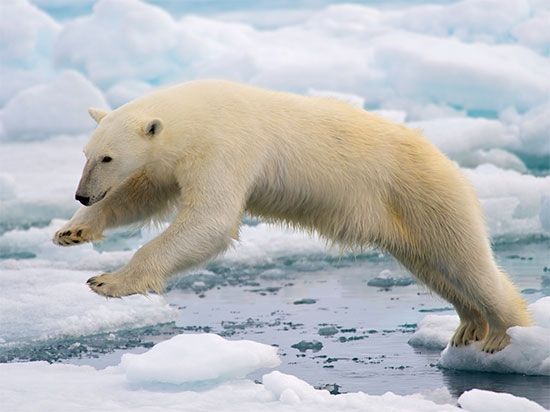
Spitsbergen is the largest island of the Svalbard archipelago, situated in the Arctic Ocean well north of the Arctic Circle. It spans approximately 15,075 square miles (39,044 square km) and is characterized by a rugged, mountainous terrain where nearly 60 percent of the area is covered by glaciers and snowfields.13
The island holds significant importance for several reasons:
- Economic History: Historically, it was a major center for international whaling and later became vital for its rich coal deposits, which are still extracted by Norway and Russia.13
- Geopolitical Status: Following the 1920 treaty, sovereignty was granted to Norway, though the region remains a unique area where multiple nations hold equal mineral rights.3
- Scientific and Global Significance: Spitsbergen serves as a critical base for polar exploration and research. It houses the Global Seed Vault, a facility designed to safeguard the world’s crop diversity against global catastrophes. Additionally, the island features extensive protected areas, such as the South Spitsbergen National Park, which preserves vital Arctic ecosystems.316
How is Spitsbergen governed, and what is its relationship with Norway?
Spitsbergen is the largest island of the Svalbard archipelago, which is under the sovereignty of Norway.
The governance of the region is defined by the 1920 treaty, which formally granted possession to Norway while establishing a unique international framework. Under this agreement, various nations are granted equal rights to engage in mineral extraction and other economic activities on the islands. Today, while Norway maintains administrative control—with Longyearbyen serving as the administrative centre—both Norway and Russia continue to operate coal mines on the archipelago.
The relationship between Norway and other nations regarding the territory has occasionally involved maritime boundary disputes, such as the disagreement with the Soviet Union (later Russia) following Norway’s 1977 declaration of a 200-nautical-mile economic zone. This issue was successfully resolved in 2010 through a negotiated border agreement in the Barents Sea.
Sources
- Spitsbergen — Encyclopædia Britannica
- Spitsbergen — Merriam-Webster
- Svalbard — Encyclopædia Britannica
- Arctic - Svalbard — Encyclopædia Britannica
- Southeast Svalbard Nature Reservation — Encyclopædia Britannica
- South Spitsbergen National Park — Encyclopædia Britannica
- The Arctic’s Seed-Filled Doomsday Fortress — Encyclopædia Britannica
- Svalbard Global Seed Vault — Encyclopædia Britannica
Published on · 3 min read