Svalbard
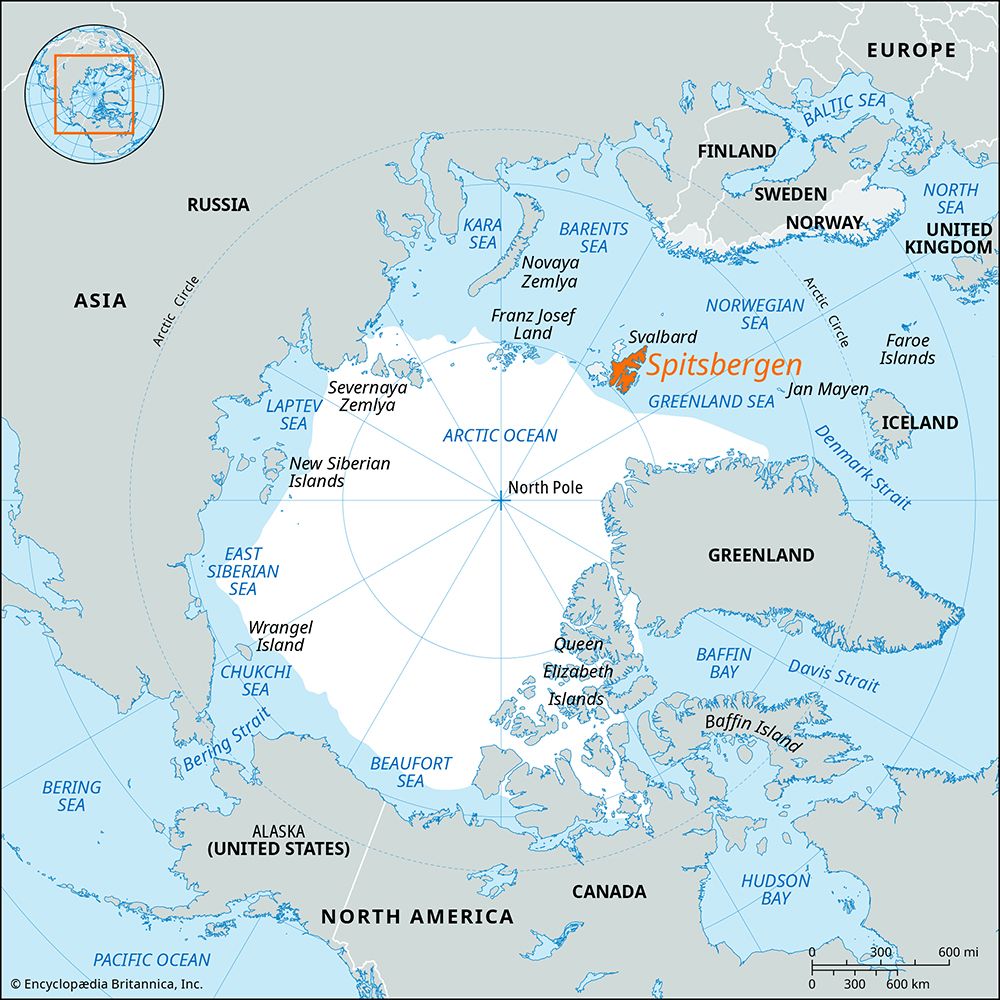
Svalbard is an archipelago that is part of Norway, but its legal status differs significantly from the rest of the country due to the resolution of its…
How does Svalbard’s unique legal status as a Norwegian territory differ from other parts of Norway?
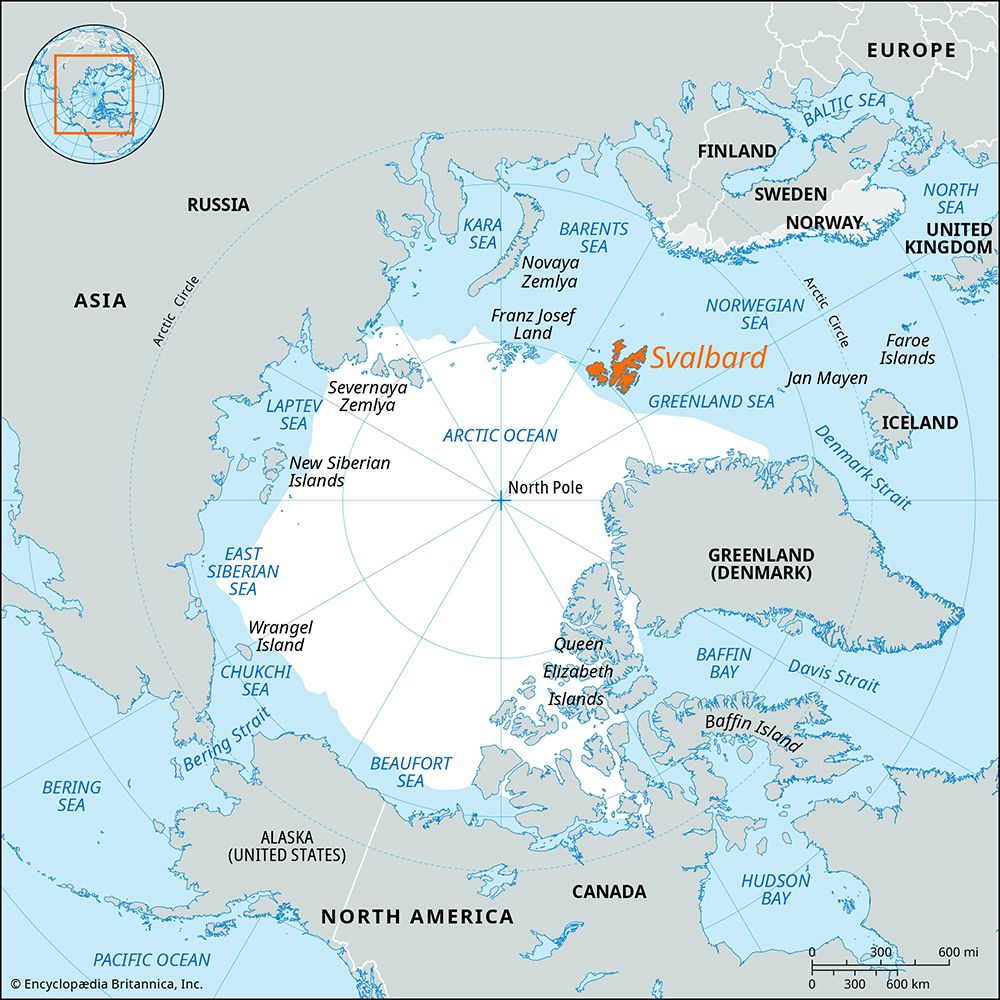
Svalbard is an archipelago that is part of Norway, but its legal status differs significantly from the rest of the country due to the resolution of its sovereignty in 1920.1
While Norway holds possession of the islands, a treaty established that mineral rights must be granted on an equal basis to various European and other countries. This unique arrangement stems from the early 20th century, when competing claims from American, British, Norwegian, Swedish, Dutch, and Russian interests necessitated a formal international agreement.1
Today, this legacy continues in the economic sphere; for instance, while Norway maintains administrative control, Russia and Norway are the only nations that currently extract and export coal from mines on the archipelago. Unlike mainland Norway, where the state maintains exclusive control over resources and territory, Svalbard operates under this specific international framework that balances Norwegian governance with guaranteed access for other signatory nations.1
How does the Svalbard Global Seed Vault contribute to global food security?
The Svalbard Global Seed Vault contributes to global food security by acting as a secure, long-term “safety deposit box” for the world’s agricultural biodiversity deposit box” for the world’s agricultural biodiversity. By storing duplicates of seed samples from national, regional, and international gene banks, it provides a critical backup against the loss of genetic resources due to natural disasters, civil conflict, or other catastrophes.345
Key contributions include:
- Genetic Insurance: The vault safeguards over one million seed samples representing more than 6,000 species of food crops. This diversity is essential for breeding new plant varieties capable of coping with climate change, novel plant diseases, and evolving environmental pressures.435
- Crisis Recovery: The facility has already proven its utility; in 2015, the International Center for Agricultural Research in the Dry Areas (ICARDA) withdrew seeds to reestablish collections in Morocco and Lebanon after their gene bank in Aleppo, Syria, was compromised by conflict.35
- Global Cooperation: Maintained through a partnership between the Norwegian government, the Global Crop Diversity Trust, and the Nordic Genetic Resource Centre, the vault offers free storage to any gene bank worldwide, ensuring that even small or resource-limited institutions can protect their unique genetic lines.43
What are the main industries and economic activities in Svalbard?
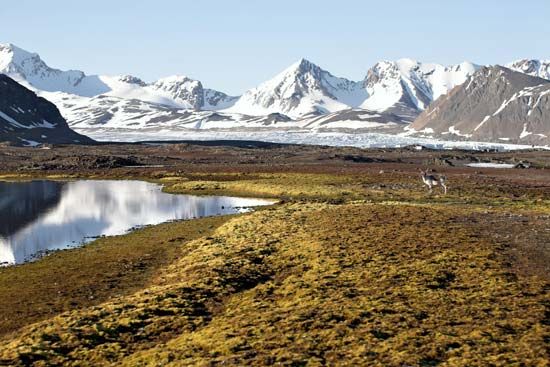
The primary economic activities in Svalbard have evolved significantly since the archipelago’s early history of whaling. Today, the economy is defined by the following sectors:
- Mining: Coal extraction remains a historic and ongoing industry. While various nations once held mineral rights, only Norway and Russia currently operate mines on the islands to extract and export coal.2
- Scientific Research: Svalbard serves as a major global hub for polar exploration and scientific study. The Svalbard Science Centre in Longyearbyen hosts the Norwegian Polar Institute and the University Centre in Svalbard, supporting extensive research in geology, mapping, and climate science.26
- Tourism: During the summer months, the archipelago attracts visitors who arrive by boat to explore the Arctic landscape. The development of infrastructure, including the opening of an airport in 1975, has facilitated this seasonal industry.2
- Trapping: Beyond mining, traditional trapping remains a recognized, though minor, economic activity on the islands.2
What is the history of Svalbard, including its discovery and early settlements?
The history of Svalbard is characterized by its transition from a remote Arctic frontier to a hub for international industry and scientific research.
Discovery and Early Exploration
While the Islandske Annaler (“Icelandic Annals”) suggests the archipelago was discovered in 1194, it remained unknown to the modern world until its rediscovery in June 1596 by Dutch explorers Willem Barents and Jacob van Heemskerck.6
Early Settlements and Whaling
Beginning in 1611, the islands became a focal point for international whaling. Dutch, English, French, Hanseatic, Danish, and Norwegian whalers established coastal stations, often leading to territorial disputes. The Dutch established Smeerenburg (“Blubbertown”) on Spitsbergen after 1619, which served as a major processing center during the industry’s 17th-century heyday. However, the decline of whaling by 1800 led to the abandonment of these early settlements.62
Sovereignty and Industrialization
As whaling waned, the focus shifted to coal deposits. By the early 20th century, various international companies claimed mineral rights. These claims were formalized following a 1920 treaty that granted sovereignty to Norway while ensuring equal mineral rights for signatory nations. Today, only Norway and Russia continue to operate coal mines on the islands.6
Sources
- Southeast Svalbard Nature Reservation — Encyclopædia Britannica
- Svalbard — Encyclopædia Britannica
- The Arctic’s Seed-Filled Doomsday Fortress — Encyclopædia Britannica
- Seeds on Ice - “Seeds on Ice” transcript — Encyclopædia Britannica
- Svalbard Global Seed Vault — Encyclopædia Britannica
- Arctic - Svalbard — Encyclopædia Britannica
- Cabo Verde - Services — Encyclopædia Britannica
- whaling - Primitive whaling — Encyclopædia Britannica
- whaling - Early commercial whaling — Encyclopædia Britannica
Published on · 4 min read