Spokane River
The Spokane River is a 100-mile-long (160-km) waterway that originates in Coeur d’Alene Lake in northern Idaho, U.S. It flows westward across the border into…
What is Spokane River?
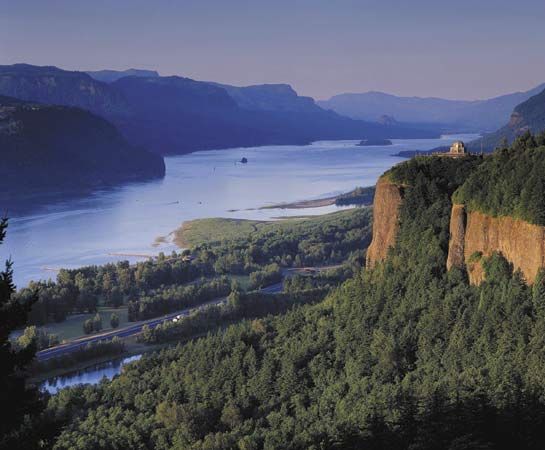
The Spokane River is a 100-mile-long (160-km) waterway that originates in Coeur d’Alene Lake in northern Idaho, U.S. It flows westward across the border into Washington, passing through the city of Spokane before eventually emptying into the Columbia River.1
The river is notable for its role in the development of the region, providing essential waterpower that supported the growth of Spokane as a trade and shipping hub for the “Inland Empire.” Throughout its course, the river is regulated by several dams, including the Long Lake Dam, which was constructed in 1915. The city of Spokane itself is situated at the falls of the river, which were historically significant to the Spokane Tribe of Indians.21
Who are the Spokane Tribe of Indians?
The Spokane Tribe of Indians is a Native American group historically associated with the region surrounding the Spokane River in what is now eastern Washington state. The name “Spokane” is understood to mean “sun people.”1
Anthropologically, the Spokane are categorized among the Plateau Indians, a group whose traditional cultures evolved in the interior regions of the Pacific Northwest. By the end of the 19th century, following a period of significant pressure from European American settlement and conflict, the Spokane—along with other regional tribes such as the Okanogan, Klickitat, and Kalispel—were largely removed to reservations.2
Historically, the falls of the Spokane River held great significance for the tribe. The river itself served as a vital geographic feature for the area, and the tribe’s ancestral connection to the land remains a foundational part of their identity in the region.1
How do dams affect river ecosystems?
Dams significantly alter river ecosystems by transforming natural environments to serve human needs, often resulting in profound ecological and social consequences. Their impacts include:5
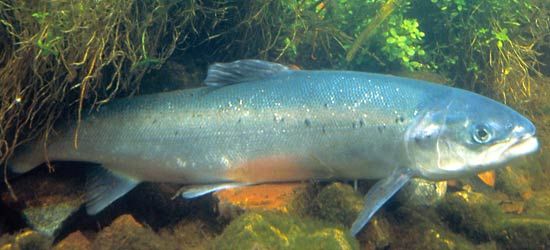
- Disruption of Migratory Species: Dams frequently block or impede the movement of fish, such as salmon, preventing them from reaching spawning grounds. While technologies like fish ladders and locks have been developed to mitigate these effects, they have often proven insufficient to prevent dramatic population declines.65
- Sediment Trapping: Reservoirs act as traps for sediment, preventing it from moving downstream. This can reduce the effective storage capacity of the reservoir over time. Downstream, the lack of silt can lead to increased erosion of riverbanks, as the water is no longer depositing sediment to build them up.789
- Habitat Inundation: Large-scale dams often flood vast areas, destroying terrestrial habitats, picturesque landscapes, and cultural homelands. This can threaten endangered species and force the relocation of human populations.59
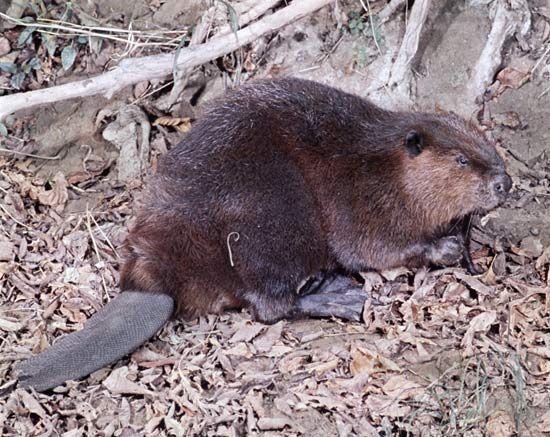
- Ecosystem Engineering: Conversely, some dams, such as those built by beavers, can create new wetlands and ponds that support a diverse range of fish and waterfowl, acting as a vital habitat for various organisms.10
What is the significance of the Inland Empire region?
The Inland Empire is a significant geographical region in the northwestern United States, situated between the Cascade Range and the Rocky Mountains. It encompasses eastern Washington, northern Idaho, northwestern Montana, and northeastern Oregon.11
The region’s historical and economic significance is largely tied to its role as a major trade and shipping hub. The city of Spokane, which serves as a central point for the area, grew rapidly due to its access to a rich hinterland abundant in minerals, forests, and agricultural resources.2
Key factors that solidified the region’s economic importance include:
- Natural Resources: The development of mineral fields, such as the Coeur d’Alene area, provided essential gold, silver, and copper.2
- Infrastructure: The arrival of the Northern Pacific Railway and the completion of the Grand Coulee Dam project were pivotal in driving industrial and financial growth.2
- Industry: The establishment of lumber, food-processing, and aluminum reduction industries further anchored the region’s economy.2
Sources
- Spokane River — Encyclopædia Britannica
- Spokane — Encyclopædia Britannica
- Washington - Native Americans and early European explorers — Encyclopædia Britannica
- Yakama — Encyclopædia Britannica
- dam - Fish passes — Encyclopædia Britannica
- Why do beavers build dams? — Encyclopædia Britannica
- dam - Rise of environmental and economic concerns — Encyclopædia Britannica
- river - Environments of deposition — Encyclopædia Britannica
- Yangtze River - Human impact on the environment — Encyclopædia Britannica
- dam - Reservoirs — Encyclopædia Britannica
- Inland Empire — Merriam-Webster
Published on · 3 min read