Waterfowl
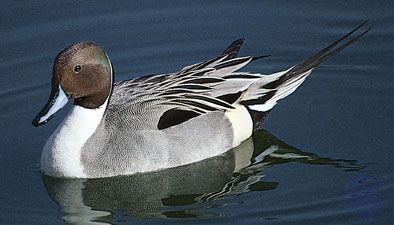
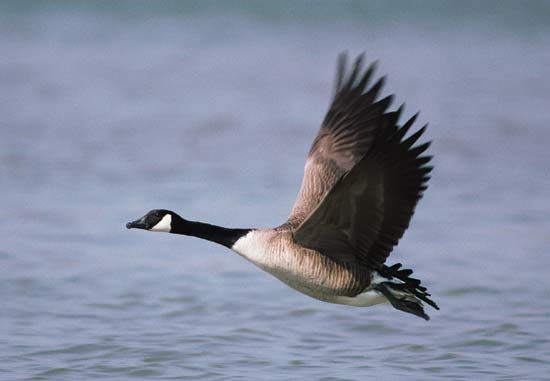
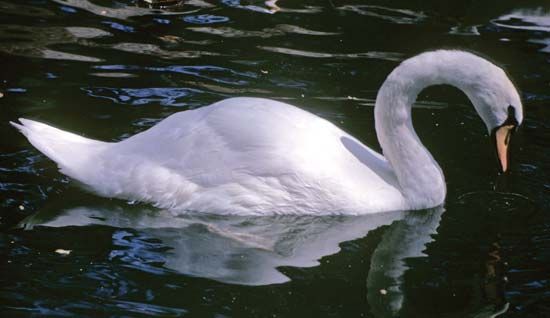
In the United States, the term waterfowl refers to all varieties of ducks, geese, and swans. In some contexts, the definition is broadened to include…
What is Waterfowl?
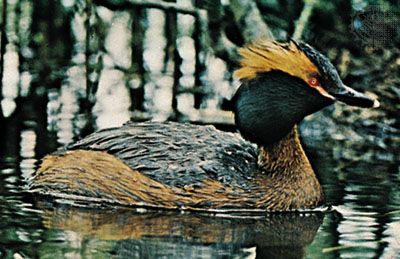
In the United States, the term waterfowl refers to all varieties of ducks, geese, and swans. In some contexts, the definition is broadened to include unrelated aquatic birds such as loons, grebes, and coots. Conversely, in Britain, the term is typically reserved for domesticated swans, geese, and ducks kept for ornamental purposes, while the term “wildfowl” is used for wild birds of this group.1
Taxonomically, these birds belong to the family Anatidae within the order Anseriformes. They are characterized by features such as a skin-covered bill with lamellate edges, a thick tongue, and the ability to swim capably. Because they are often found in watery habitats, they have historically been a significant source of protein, fat, and feathers for humans. Today, many species face threats from habitat loss, necessitating international conservation efforts to manage their populations.23
How do waterfowl adapt to living in cold environments?
Waterfowl have evolved several physiological and behavioral adaptations to survive in cold environments, ranging from specialized insulation to metabolic adjustments.
Physical and Physiological Adaptations
- Insulation: Waterfowl maintain waterproof plumage by using their bills to spread oil from a preen gland over their feathers, which prevents water from reaching their skin. They also possess fat-insulated bodies that help retain heat.45
- Down: Many species, such as the eider, produce high-quality down feathers. Females pluck this down from their breasts to line their nests, providing essential insulation for their eggs.67
- Thermoregulation: While birds are generally homeothermic, some cold-tolerant species can adjust their basal metabolic rates to avoid hypothermia. They also possess thermoreceptors in areas like the beak, face, and skin, which help them monitor environmental temperatures and regulate blood flow to maintain core warmth.8
- Diving Physiology: Species that forage in cold, deep waters, such as diving ducks, rely on oxygen stored in their blood and muscles (hemoglobin and myoglobin) rather than their respiratory system while submerged.2
Behavioral Adaptations
- Migration: Many waterfowl species migrate to avoid severe winter conditions, traveling to warmer climates where food and mates are more accessible.48
- Social Behavior: Waterfowl are often gregarious, using vocalizations and social signals to maintain flock cohesion during flight and in wintering grounds.4
- Breeding Timing: In high-latitude regions, waterfowl have evolved to synchronize their breeding cycles with the short, snow-free summer months, allowing them to raise young during the period of continuous daylight.9
What are the main differences between dabbling ducks and diving ducks?
The primary differences between dabbling ducks and diving ducks lie in their feeding behaviors, physical adaptations, and preferred habitats.
Feeding Behavior
- Dabbling Ducks: These birds typically feed on the surface or by “tipping up,” where they submerge their heads and necks to reach vegetation and invertebrates on the bottom of shallow ponds or marshes without fully submerging their bodies.1213
- Diving Ducks: These ducks are adapted for underwater foraging. They fully submerge to reach food sources, such as crabs, mussels, and submerged vegetation, often at depths of up to 20 feet or more.1213
Physical Adaptations
- Body Shape and Legs: Diving ducks possess more streamlined bodies and have their legs set further toward the rear of their bodies compared to dabbling ducks. This anatomical placement makes them excellent swimmers but often results in a more awkward, upright gait when they are on land.124
- Launch and Flight: Dabbling ducks can launch themselves directly into the air from the water. In contrast, many diving ducks, such as pochards and mergansers, must “skitter” or run along the surface of the water to gain enough momentum to become airborne.4
Habitat
- Dabbling Ducks: Generally prefer shallow-water environments like marshes, ponds, and wetlands.1214
- Diving Ducks: Often frequent deeper waters, including lakes, estuaries, tidal lagoons, and coastal marine environments, though some species also utilize inland waters.126
Why is the conservation of wetlands important for migratory birds?
The conservation of wetlands is vital for migratory birds because these ecosystems serve as essential “refueling stations” that sustain populations throughout their annual cycles.152
Ecological Importance
Migratory birds rely on a coordinated sequence of habitats to survive. As productivity fluctuates seasonally, birds move between northern breeding grounds—where food is abundant in summer—and tropical wintering regions. Wetlands provide the necessary resources for these birds to survive during transit and remain in favorable conditions until their breeding areas are ready. Without these stopover points, birds would be unable to exploit fluctuating food resources across vast distances.15
Habitat Requirements
- Feeding Grounds: Wetlands offer high concentrations of aquatic vegetation, seeds, and invertebrates, which are critical for birds to build the fat reserves needed for long-distance flight.151216
- Survival and Population Control: The total population size of many migratory species is directly limited by the capacity of their various habitats to sustain them. Because waterfowl migrations cross national boundaries, the loss of these essential habitats threatens their ability to survive and reproduce.152
- Conservation Efforts: Organizations and international agreements focus on protecting and managing wetlands to ensure that adequate feeding grounds remain available. Techniques such as providing nest sites and managing water levels are crucial for maintaining populations and restoring those that have been diminished.217
Sources
- Waterfowl — Encyclopædia Britannica
- Anseriform - Importance to humans — Encyclopædia Britannica
- Anseriform - Annotated classification — Encyclopædia Britannica
- Anseriform - Behaviour — Encyclopædia Britannica
- Anseriform - Physiology — Encyclopædia Britannica
- Anseriform - Locomotion — Encyclopædia Britannica
- Ectotherm — Encyclopædia Britannica
- Thermoreception - Birds — Encyclopædia Britannica
- Migration - In Europe — Encyclopædia Britannica
- Anseriform - Reproductive behaviour — Encyclopædia Britannica
- Did you know? — Merriam-Webster
- What do ducks eat? — Encyclopædia Britannica
- Duck — Encyclopædia Britannica
- Diving duck — Encyclopædia Britannica
- Migration - Ecological significance of migration — Encyclopædia Britannica
- Migration - Physiological stimulus of migration — Encyclopædia Britannica
- conservation - Flood control — Encyclopædia Britannica
Published on · 4 min read