Star Apple
The star apple (Chrysophyllum cainito) is a member of the Sapotaceae family, a group of tropical trees and shrubs characterized by their milky juice…
How does the star apple tree differ from other fruit-bearing trees in its family?
The star apple (Chrysophyllum cainito) is a member of the Sapotaceae family, a group of tropical trees and shrubs characterized by their milky juice, leathery leaves, and fleshy fruits.12
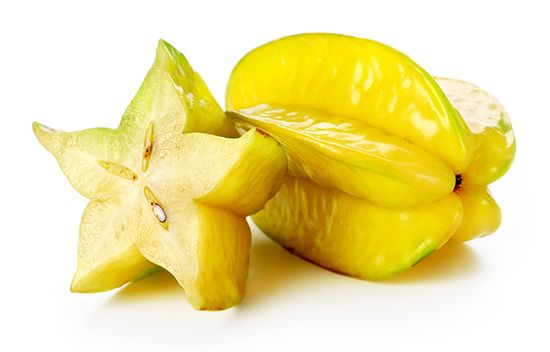
While it shares the family’s general traits—such as producing edible, fleshy fruit and having axillary flowers—the star apple is distinct for the unique internal structure of its fruit. When the apple-shaped fruit is sliced in cross-section, the arrangement of its carpels reveals a distinct star-shaped pattern, which serves as the tree’s namesake. Additionally, the star apple is noted for its specific aesthetic and culinary qualities, featuring smooth skin and sweet flesh that can range in color from white to purple.123
How is the star apple plant cultivated and what are its growing requirements?
The star apple (Chrysophyllum cainito) is a tropical tree native to the West Indies and Central America. It is primarily cultivated in warm regions for its ornamental value and its edible, apple-shaped fruit.13
While specific horticultural techniques are not detailed in the provided records, the plant is known to thrive in tropical climates. It grows to a height of approximately 7.5 to 15 meters (25 to 50 feet) and produces purplish-white flowers. The tree is valued for its firm, smooth-skinned fruit, which features a characteristic star-shaped core when sliced in cross-section.13
What are the unique physical characteristics of the star apple fruit?
The star apple (Chrysophyllum cainito) possesses several distinct physical characteristics that define its appearance and structure:
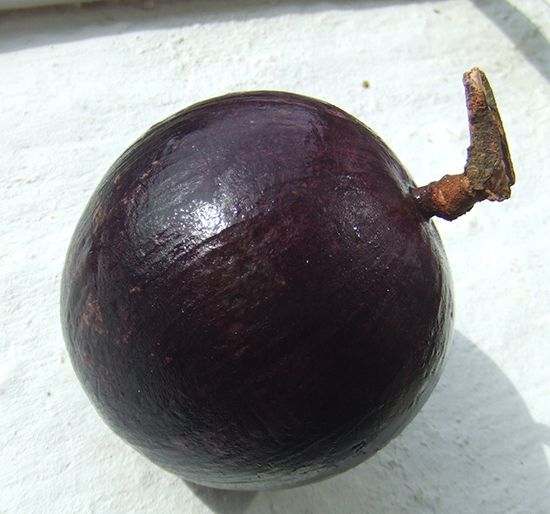
- Shape and Size: The fruit is typically the size and shape of an apple.13
- Surface: It features a firm, smooth skin that generally ranges in color from green to purple.13
- Internal Structure: The fruit is most notable for its internal pattern; when cut in cross-section, the arrangement of its carpels reveals a distinct star-shaped core.13
- Flesh: The edible flesh is sweet and varies in color, ranging from white to purple.1
Are there different varieties of star apple, and how do they differ?
The star apple (Chrysophyllum cainito) is a single species within the Sapotaceae family, rather than a plant with distinct, formally classified varieties. However, individual trees exhibit natural variation in their physical appearance.
The primary differences observed among star apple fruits relate to their coloration:
- Skin Color: The firm, smooth skin of the fruit can vary in appearance, typically ranging from green to purple.13
- Flesh Color: The sweet, edible flesh also displays color variation, which can range from white to purple.1
While these differences in color exist, they are variations within the species itself rather than separate botanical varieties.
Sources
- star apple — Encyclopædia Britannica
- Sapotaceae — Merriam-Webster
- star apple — Merriam-Webster
Published on · 2 min read