Sundew
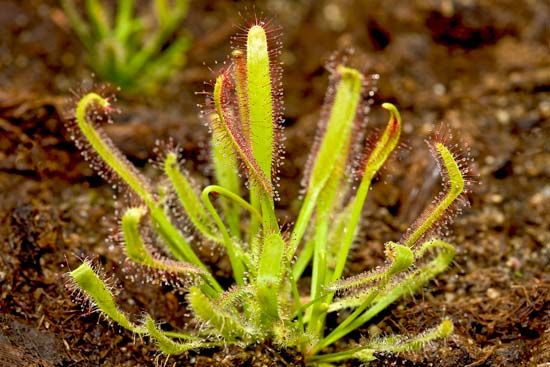
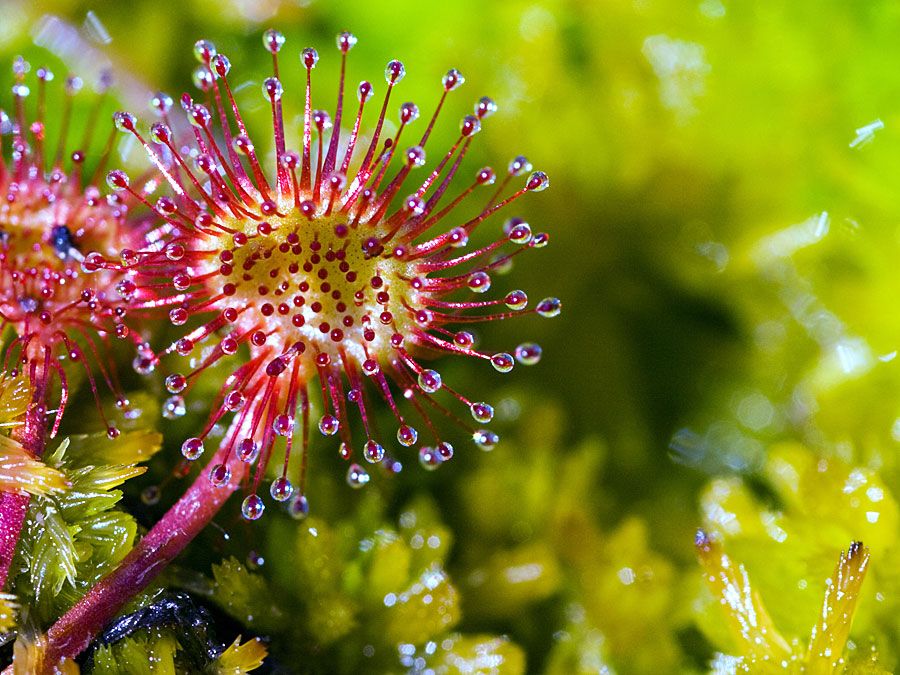
Sundews, which belong to the genus Drosera, are carnivorous plants that thrive in specialized environments such as bogs and fens characterized by sandy…
What are some common threats to sundew populations in the wild?
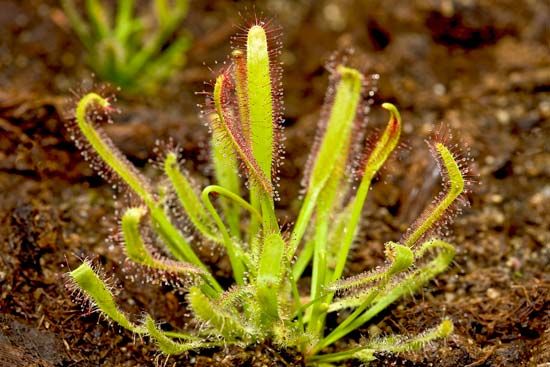
Sundews, which belong to the genus Drosera, are carnivorous plants that thrive in specialized environments such as bogs and fens characterized by sandy, acidic soil.1
While the provided information notes that specific species like D. katangensis and D. insolita are listed as critically endangered on the IUCN Red List of Threatened Species, the search results do not explicitly detail the specific environmental or human-driven threats causing these population declines. Generally, plants inhabiting sensitive wetland ecosystems are often vulnerable to habitat loss, drainage, and pollution, but this specific data is not contained within the provided source.1
What are sundews and which plant family do they belong to?
Sundews are carnivorous plants belonging to the genus Drosera, which comprises approximately 152 species. They are members of the plant family Droseraceae, a group within the order Caryophyllales that includes three genera in total.12
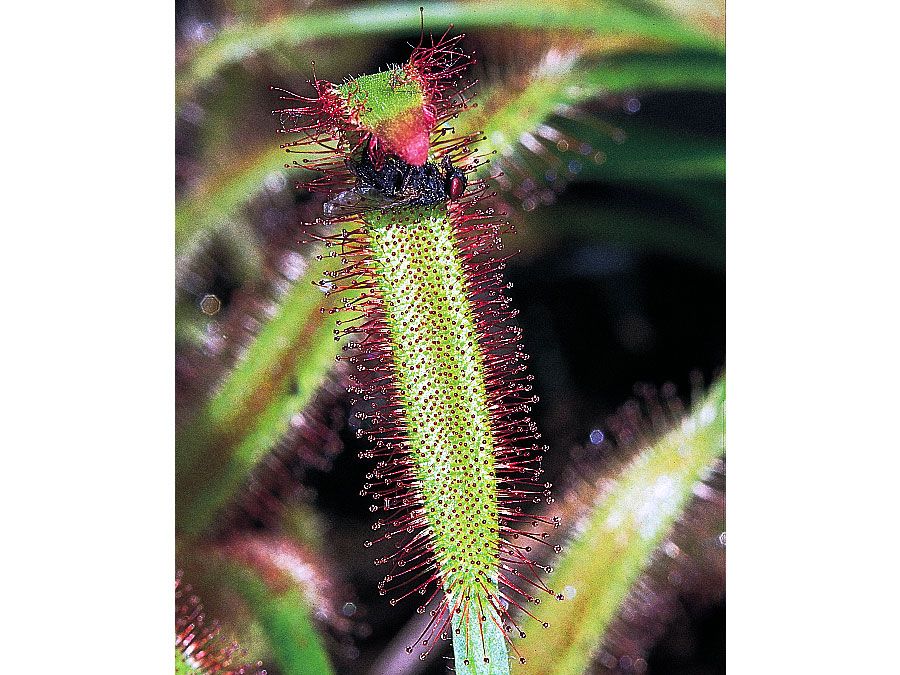
These plants are widely distributed across tropical and temperate regions and are typically found in bogs and fens where the soil is sandy and acidic. Because these environments are nutrient-poor, sundews have evolved to capture and digest insects and other small prey using sticky, gland-tipped trichomes on their leaves to obtain essential nutrients like nitrogen.12
What are some of the largest and smallest species of sundews?
The genus Drosera, commonly known as sundews, exhibits significant variation in size across its approximately 152 species.
- Size Range: While many sundews are relatively small, species within the genus can range from just a few centimeters to a meter (3.3 feet) or more in height.1
- Smallest Species: The smallest varieties are often inconspicuous, frequently hidden among mosses within sphagnum bogs.1
- Typical Morphology: Many common species, such as the roundleaf sundew, typically feature leaves arranged in a basal rosette that are less than 2.5 cm (1 inch) in diameter, with flower stalks rising to heights of 10 to 25 cm (4 to 10 inches).31
While the genus includes a wide spectrum of sizes, the primary focus of botanical documentation often highlights these structural adaptations—such as the sticky, gland-tipped trichomes—that allow these plants to thrive in nutrient-poor environments.341
What role do sundews play in their ecosystem beyond being carnivorous plants?
Beyond their role as carnivorous plants, sundews (Drosera) serve as a component of the bog and fen ecosystems they inhabit. While their primary evolutionary adaptation is to capture insects to obtain essential nutrients like nitrogen in nutrient-poor, acidic soils, they also participate in the reproductive cycles of their environment through pollination.1
Sundews produce small, white or pinkish flowers borne on stems that rise well above their sticky, insect-trapping leaves. This physical separation is a critical adaptation that prevents the plant from accidentally capturing its own pollinators. By keeping their reproductive structures distant from their digestive traps, sundews ensure that they can attract and support the insects necessary for their life cycle without consuming them.1
The provided search results do not contain further information regarding additional ecological roles, such as their function as a food source for other organisms or their impact on local soil chemistry.
Sources
- sundew — Encyclopædia Britannica
- drosera — Merriam-Webster
- Droseraceae — Encyclopædia Britannica
- Caryophyllales - Droseraceae — Encyclopædia Britannica
- Asparagales - Pollination — Encyclopædia Britannica
Published on · 3 min read