Toy Dog
A toy dog is any of several dog breeds specifically developed to be small, portable, and good-natured companions. Historically, these animals were prized by…
What is toy dog?
A toy dog is any of several dog breeds specifically developed to be small, portable, and good-natured companions. Historically, these animals were prized by aristocracy worldwide, often serving as pampered pets for members of royal courts who could easily carry them.12
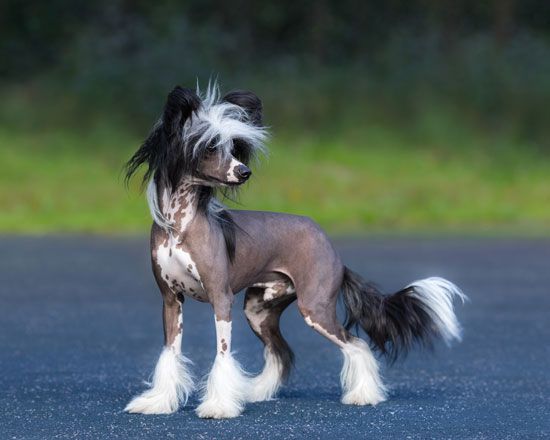
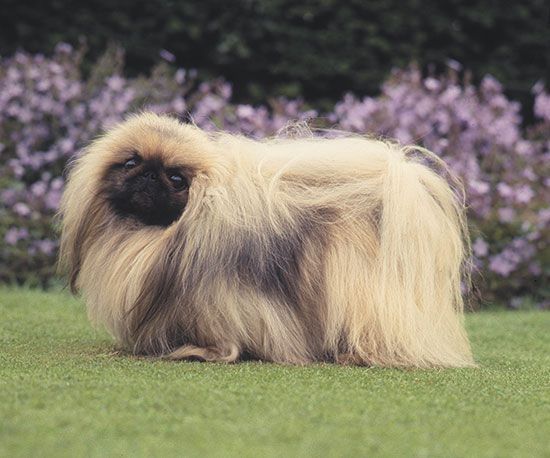
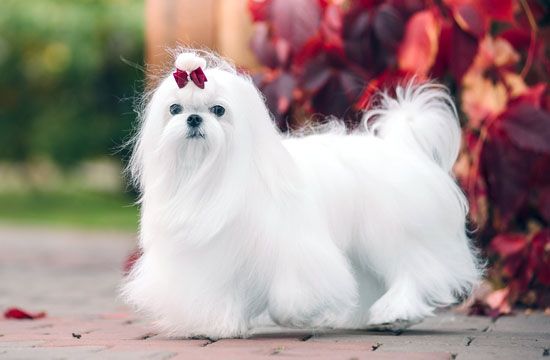
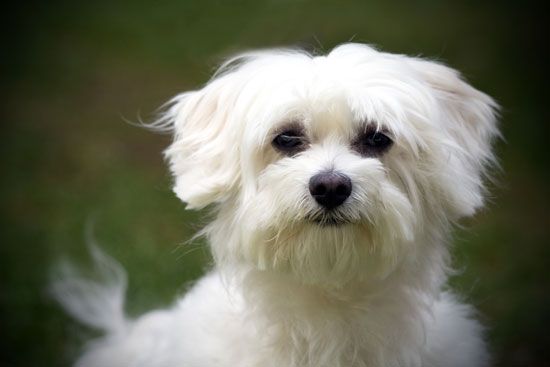
While many toy breeds possess ancient lineages, they are a diverse group in terms of appearance and personality. They range from hairless varieties, such as the Chinese Crested, to those with profuse coats, like the Pekingese or Shih Tzu. Despite their small stature, these dogs are generally alert, vigorous, and well-balanced, making them well-suited for apartment living. Notable examples include the Maltese, Pomeranian, Papillon, Yorkshire Terrier, and the Cavalier King Charles Spaniel.12
What are the main differences between toy breeds and working dog breeds?
The primary differences between toy breeds and working dog breeds lie in their historical purpose, physical stature, and functional roles.
Toy Breeds
Toy breeds were developed specifically to serve as companion animals. Historically, these dogs were prized by the aristocracy and royalty, who valued them for their small, portable size and good-natured temperaments.2
- Physical Traits: They are generally fine-boned, well-balanced, and small in stature, making them well-suited for apartment or small-house living.2
- Temperament: While they vary significantly in appearance—ranging from hairless to profusely coated—they are typically alert and vigorous.2
Working Dog Breeds
In contrast, working dogs were bred to perform practical, specific tasks for humans, such as guarding, herding, pulling, hauling, or rescue work.34
- Physical Traits: These breeds range from medium to large in size and are characterized by robust, sturdy, and muscular builds.34
- Temperament: They are defined by their strength, alertness, intelligence, and loyalty, which are essential for their demanding roles in protection and labor.4
While some organizations, such as the American Kennel Club, maintain distinct categories for these groups, classification systems can vary by country; for instance, some registries may include certain breeds in different groups based on local standards.45
How do toy dogs adapt to living in small spaces like apartments?
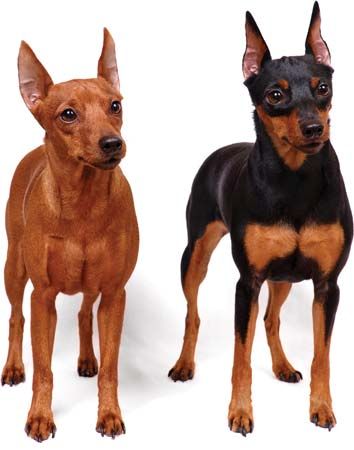
Toy dogs are well-suited for living in small spaces like apartments primarily due to their compact size and physical nature. Because they were historically developed to be portable companions for the aristocracy, they possess a stature that is naturally conducive to smaller living environments.21
These breeds are generally fine-boned, well-balanced, and graceful, which allows them to navigate smaller indoor areas with ease. Despite their small size, they are typically alert and vigorous animals, meaning they remain active and engaged within their surroundings without requiring the extensive space often needed by larger working breeds. Their diversity—ranging from hairless varieties like the Chinese Crested to profusely coated breeds like the Shih Tzu—ensures that there is a wide variety of temperaments and physical types that can adapt to the constraints of apartment life.21
Why were certain toy breeds historically restricted to royalty?
Historically, certain toy breeds were restricted to royalty as a reflection of their status as exclusive symbols of prestige, sacredness, and companionship. In many ancient cultures, such as in ancient Egypt and China, specific breeds were considered so valuable that they were reserved solely for the ruling class.16
The reasons for this exclusivity included:
- Symbolic and Sacred Status: Some breeds, such as the Pekingese, were regarded as sacred. Because of their perceived godlike or noble qualities, ownership was strictly limited to royalty, and no one else was permitted to own them.16
- Controlled Breeding and Protection: These dogs were carefully nurtured and bred within royal courts. To maintain their exclusivity and purity, many of these breeds were prohibited from being exported out of their countries of origin until the mid-20th century.6
- Status as Companions: Toy dogs were prized as portable, good-natured companions for the aristocracy. Their presence served as a mark of wealth and social standing, often accompanying ladies of the court.67
Sources
- toy dog — Encyclopædia Britannica
- dog - Toys — Encyclopædia Britannica
- working dog — Encyclopædia Britannica
- dog - Working dogs — Encyclopædia Britannica
- dog - The breeds — Encyclopædia Britannica
- lapdog — Merriam-Webster
- dog - Role in human societies — Encyclopædia Britannica
- dog - Origin of breeds — Encyclopædia Britannica
Published on · 3 min read