Toadfish
While the term "toadfish" refers to a specific family of bottom-dwelling marine fish (Batrachoididae), there are no prominent cultural or historical…
Are there any cultural or historical references to toadfish in literature or folklore?
While the term “toadfish” refers to a specific family of bottom-dwelling marine fish (Batrachoididae), there are no prominent cultural or historical references to this specific animal in literature or folklore.
It is important to distinguish the biological toadfish from the “toadstone,” a subject that frequently appears in historical folklore and literature. Toadstones were once believed to be magical jewels found inside the heads of toads, capable of detecting or neutralizing poison. In reality, these objects are bufonite—the fossilized teeth and jawbones of an extinct, prehistoric fish.1
This confusion between the toad and the fish is famously referenced in William Shakespeare’s As You Like It, where he writes: “Sweet are the uses of adversity, / Which, like the toad, ugly and venomous, / Wears yet a precious jewel in his head”. While this passage links the “toad” to a “precious jewel,” the historical belief in the stone’s origin was a misunderstanding of fossilized fish remains rather than a reference to the modern toadfish.1
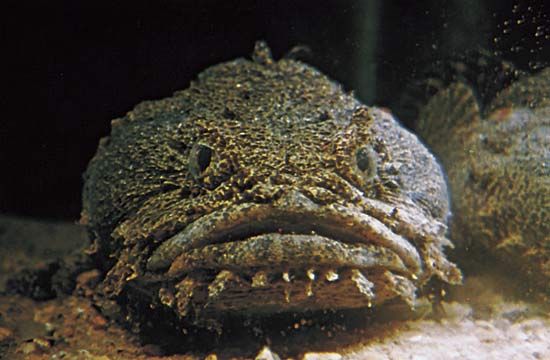
Where are toadfish commonly found, and what types of habitats do they prefer?
Toadfish, which belong to the family Batrachoididae, are primarily found in the New World, inhabiting warm seas with occasional occurrences in freshwater environments. As bottom-dwelling fish, they are generally distributed along the tropical and temperate coasts of the Americas.15
Their habitat preferences vary by group:
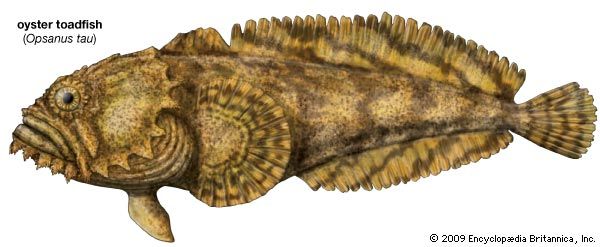
- True toadfishes: These species typically inhabit shallow or moderate depths along continental coasts. For example, the oyster toadfish is a common resident of shallow coastal waters in eastern North America, where it lives under rocks or amid debris. Some species are known to ascend rivers.15
- Venomous toadfishes: These are restricted to the coasts and rivers of Central and South America.15
- Midshipmen: These fish are found in shallow waters along the tropical and temperate coasts of the Americas. Most occur at depths of less than 50 fathoms, and all are found in water shallower than 200 fathoms.15
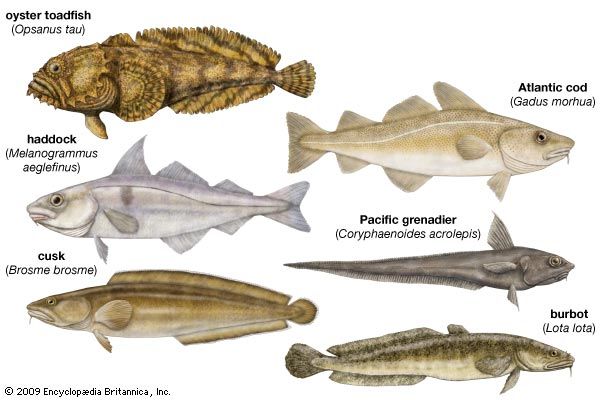
What are the different species of toadfish, and how do they vary?
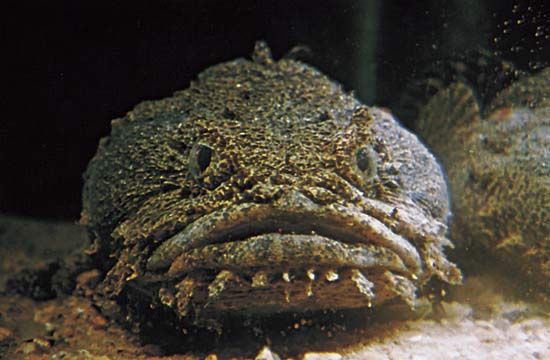
Toadfish are bottom-dwelling marine fish belonging to the family Batrachoididae. They are generally characterized by their heavy bodies, broad, flattened heads, and large mouths equipped with strong teeth. While they vary in their specific adaptations, they are categorized into three distinct groups:
- True toadfishes (Batrachoidinae): Comprising about 52 species, these fish typically inhabit shallow or moderate depths along continental coasts, with some species occasionally ascending rivers. A well-known example is the oyster toadfish, which hides under rocks or debris to ambush prey.
- Venomous toadfishes (Thalassophryninae): This group includes about 11 species restricted to the coasts and rivers of Central and South America. They are notable for their hollow, venom-injecting spines located on their dorsal fins and gill covers, which can inflict painful wounds if the fish are stepped on.
- Midshipmen (Porichthyinae): These 15 species are found along the tropical and temperate coasts of the Americas. They are unique among shallow-water fish for possessing numerous small, buttonlike light organs called photophores, which are typically found in deep-sea species.
How have toadfish been used in scientific research, and what have we learned from them?
Sorry, the Britannica knowledge base does not contain information regarding the specific ways toadfish have been used in scientific research or the specific findings derived from such studies.
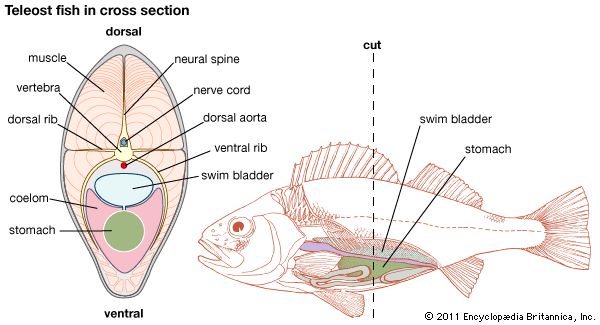
While the provided information confirms that toadfish are known for producing audible grunting or croaking sounds using their swim bladders and that some bony fish utilize these organs for sound detection, the current data does not detail their role in scientific experimentation.1102
Sources
- toadfish — Encyclopædia Britannica
- toadfish — Merriam-Webster
- 9 Words from the Magical Realm | Toadstone — Merriam-Webster
- toado — Merriam-Webster
- paracanthopterygian - Ecology and behavior — Encyclopædia Britannica
- paracanthopterygian - Annotated classification — Encyclopædia Britannica
- Batrachoididae — Merriam-Webster
- amphibian - Annotated classification — Encyclopædia Britannica
- toad — Encyclopædia Britannica
- sound reception - Hearing in amphibians — Encyclopædia Britannica
- Animal communication - Signal reception — Encyclopædia Britannica
Published on · 3 min read