Do Sharks Sleep?
It is a common misconception that sharks never sleep because they must constantly swim to survive. While it is true that some species are obligate ram…
Do Sharks Sleep?
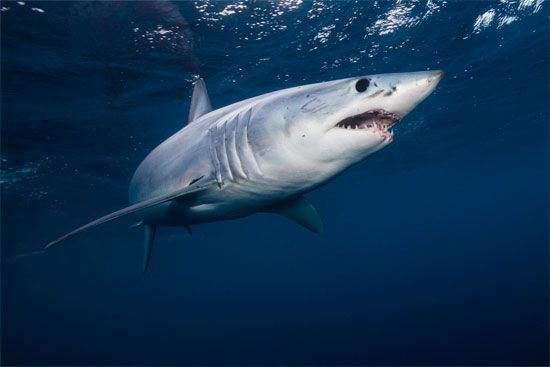
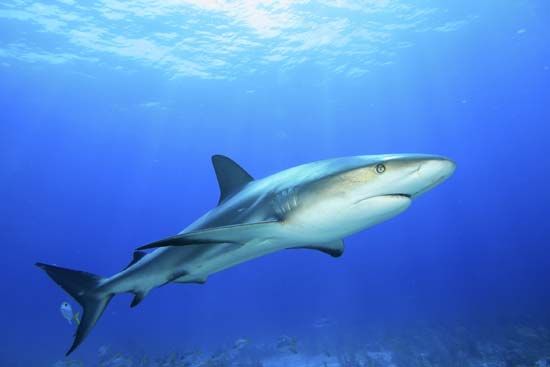
It is a common misconception that sharks never sleep because they must constantly swim to survive. While it is true that some species are obligate ram ventilators—meaning they must swim to force water over their gills to receive oxygen—many others can remain stationary using buccal pumping or spiracles to breathe.12
Sharks do not experience sleep in the traditional sense. Instead, they engage in periods of deep rest while remaining alert. During these states, their eyes typically stay open, and they continue to monitor their surroundings. Research into the great white shark has even captured instances of individuals appearing to drift in a catatonic-like state while allowing water to pass through their gills in strong currents. Ultimately, while sharks do rest, they do not “sleep” as humans or many other animals do.1
What are spiracles and how do they help sharks breathe?
Spiracles are specialized respiratory openings located behind the eyes of certain elasmobranch fishes, such as rays, skates, and some sharks like the angel shark.31
These structures serve as an alternative pathway for water intake, allowing these animals to breathe while stationary or when their mouths are otherwise occupied or buried in the sand. By pulling water through the spiracles and forcing it over the gills, these species can maintain oxygen intake without needing to swim forward to create a flow of water.32
While some sharks rely exclusively on “obligate ram ventilation” (swimming with their mouths open to force water over their gills), those equipped with spiracles have the flexibility to rest on the ocean floor. Some species, such as skates, may even reverse the flow of water through their spiracles to clear them of foreign matter.324
How does buccal pumping differ from ram ventilation?
Buccal pumping and ram ventilation are two distinct methods sharks use to move water over their gills for oxygen exchange. The primary difference lies in whether the shark must remain in motion to breathe.23
Buccal Pumping
Sharks that use buccal pumping possess specialized cheek muscles that allow them to actively “inhale” water. By expanding and contracting their mouth-throat (bucco-pharyngeal) cavity, they draw water into the mouth and force it over the gills. This mechanism enables these sharks to remain stationary on the ocean floor, as they do not rely on forward movement to facilitate respiration.21
Ram Ventilation
In contrast, sharks that rely on obligate ram ventilation lack the necessary buccal muscles to pump water. Instead, they must swim continuously with their mouths open; the forward motion forces water into the mouth and through the gills. If these species stop swimming, they cease to receive oxygen and will suffocate.23
Many shark species utilize a combination of both methods, allowing them to supplement their oxygen intake while swimming slowly or to rest for short periods.2
We could dive deeper into which specific shark species rely on each of these breathing methods.
Do other types of fish sleep differently than sharks?
While sharks and other fish share a similar state of rest, their behaviors differ based on their physiological needs and environments. It is a common misconception that fish sleep in the same way mammals do; rather, they enter a state of reduced activity and responsiveness while maintaining the ability to react to threats.56
Differences in Resting Behavior
- Movement and Respiration: Many sharks must keep moving to ensure water flows over their gills, meaning they often “sleep” while swimming. In contrast, many other fish species can remain stationary, resting on the bottom of a body of water or hiding in protected areas like vegetation or holes.56
- Environmental Adaptation: Fish that face higher risks from predators often remain more alert during their rest periods. Nocturnal species, such as certain catfish, loaches, and eels, choose to rest during the day in secure locations, whereas others may blend into the substrate to avoid detection.5
- Physical Limitations: Because fish lack eyelids, they cannot close their eyes, which contributes to their ability to remain partially alert even while resting.56
Sources
- Do Sharks Sleep? — Encyclopædia Britannica
- Do Sharks Really Die if They Stop Swimming? — Encyclopædia Britannica
- chondrichthyan - Respiration — Encyclopædia Britannica
- spiracle — Encyclopædia Britannica
- How do fish sleep? — Encyclopædia Britannica
- fish: Top Questions — Encyclopædia Britannica
Published on · 3 min read