10 Fascinating Facts About Megalodon
The megalodon (Carcharocles megalodon) was a massive prehistoric shark. Here are 10 fascinating facts about this apex predator:
What are 10 Fascinating Facts About Megalodon?
The megalodon (Carcharocles megalodon) was a massive prehistoric shark. Here are 10 fascinating facts about this apex predator:
- Name Meaning: The name derives from Greek, meaning “giant tooth.”12
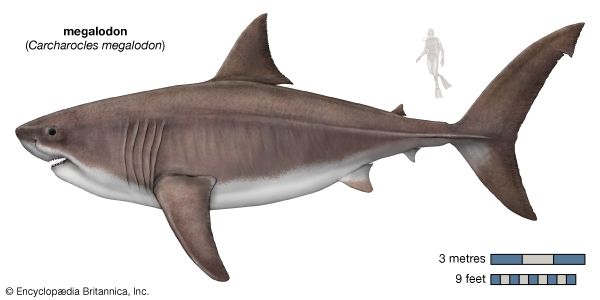
- Record Size: It was the largest fish to ever live, with some individuals reaching lengths of nearly 60 feet or more.13
- Powerful Bite: With a mouth nearly 10 feet wide, it likely possessed the most powerful bite of any creature in history.13
- Fossil Evidence: Because sharks lack bones, our knowledge comes primarily from their large fossilized teeth, the largest of which measured 6.9 inches.13
- Global Presence: Fossils have been discovered off the coasts of every continent except Antarctica.1
- Nursery Areas: Researchers have identified ancient nursery areas, such as one off the coast of Panama, where juvenile teeth were found.1
- Regional Endothermy: Like modern great white sharks, megalodons were likely partially warm-blooded, allowing them to hunt in colder waters.13
- Sexual Dimorphism: Adult females were significantly larger than males.13
- Diet: As an apex predator, it consumed whales, dolphins, and seals, requiring an estimated 2,500 pounds of food daily.1
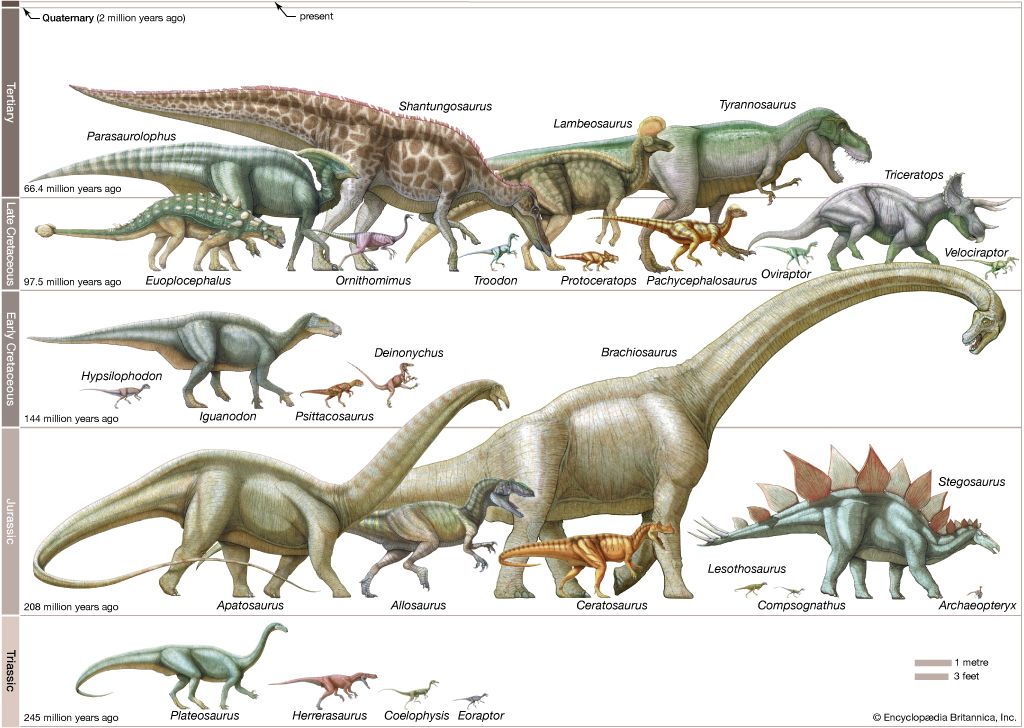
- Extinction: Megalodons never coexisted with dinosaurs; they lived from the Miocene to the Pliocene Epoch, likely going extinct due to shifting food-chain dynamics.142
How do scientists estimate the size of a shark from just its teeth?
Because sharks possess skeletons made of cartilage rather than bone, their remains are rarely preserved in the fossil record. Consequently, scientists estimate the size of extinct species like the megalodon by analyzing their teeth.
Researchers calculate body length by applying the statistical relationship between the size of fossilized teeth and the corresponding tooth and body mass measurements of modern great white sharks and other living relatives. By comparing the proportions of these extant species to the fossil evidence, scientists can extrapolate the likely dimensions of the prehistoric predator.1
While this method provides a standard baseline, some researchers argue that the body shape of a megalodon may have been sleeker than the bulky, torpedo-like form of a great white shark. If the megalodon possessed a more slender body shape—similar to that of a lemon shark—the size estimates based on these statistical models would shift, potentially suggesting an even larger total length and mass.1
What are the main differences between a Megalodon and a modern Great White shark?
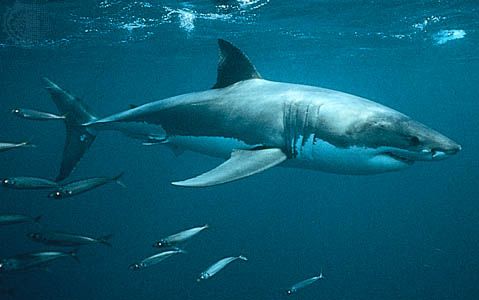
While the megalodon and the modern great white shark share some physical similarities, they differ significantly in size, tooth structure, and evolutionary lineage.
Key Differences
- Size and Mass: The megalodon was the largest fish to ever live, with average lengths of 42–46 feet and some estimates reaching up to 80 feet. In contrast, the largest modern great white sharks are roughly one-third that size. Megalodons were also significantly heavier, with adult mass ranging from 30 to over 65 metric tons.16
- Tooth Anatomy: While both species have triangular, serrated teeth, megalodon teeth are much larger and thicker. The largest megalodon tooth found measures 6.9 inches, nearly three times the size of an average great white shark tooth (2.1 inches). Additionally, megalodon teeth feature a “bourlette,” a chevron-shaped region near the root that is absent in modern white sharks.1
- Bite Force: Due to its massive size, the megalodon possessed a bite diameter of nearly 10 feet, providing a significantly more powerful bite than that of a modern great white shark.61
- Evolutionary Lineage: Scientific consensus is divided. Some researchers suggest they share a lineage within the family Lamnidae, while others classify the megalodon in the extinct family Otodontidae, arguing that similarities in tooth structure are the result of convergent evolution.74
Both species utilize regional endothermy, a form of warm-bloodedness that allows them to hunt in colder waters.1
Why did competition from other marine predators contribute to the Megalodon’s extinction?
The decline of the megalodon was not driven by climate change alone; rather, shifting food-chain dynamics played a primary role in the species’ demise. As the availability of their primary food source, baleen whales, decreased, the megalodon faced mounting pressure from emerging marine predators.29
The rise of smaller, more efficient competitors—specifically great white sharks and early killer whales—intensified the struggle for limited resources. These new predators evolved to become formidable rivals, effectively outcompeting the megalodon for the remaining prey. This increased competition, combined with the disruption of marine ecosystems caused by environmental changes like the formation of the Isthmus of Panama, led to a collapse in megalodon populations.29
Sources
- 10 Fascinating Facts About Megalodon — Encyclopædia Britannica
- megalodon - Extinction — Encyclopædia Britannica
- megalodon — Encyclopædia Britannica
- megalodon - Physical features — Encyclopædia Britannica
- megalodon - Reproduction and territoriality — Encyclopædia Britannica
- megalodon - Paleontology — Encyclopædia Britannica
- white shark - Evolution — Encyclopædia Britannica
- megalodon - Predators and prey — Encyclopædia Britannica
- What Happened to the Megalodon? — Encyclopædia Britannica
Published on · 3 min read