Touat
The Touat oasis group in west-central Algeria is sustained primarily by foggaras, which are man-made, inclined subterranean conduits designed to tap into…
What is the water source that sustains the Touat oasis group?
The Touat oasis group in west-central Algeria is sustained primarily by foggaras, which are man-made, inclined subterranean conduits designed to tap into dispersed groundwater found in the beds of wadis.12
These systems allow the oases to maintain cultivation in an arid environment by accessing water that would otherwise be difficult to reach. In the broader Sahara region, such groundwater is often sourced from significant geological layers like the Continental Intercalary series, which serves as a major source of artesian water in Algeria.123
How has the Touat oasis group’s history been shaped by trade routes and cultural exchanges?
The history of the Touat oasis group has been profoundly shaped by its strategic position within the Sahara, serving as a vital node for trans-Saharan movement and exchange. Brought under Islamic control in the 10th century CE, the region became a crossroads where trade routes facilitated the spread of religion, which eventually became the dominant social force across the desert.12
The area’s development was defined by a diverse, multi-ethnic population consisting of Arabs, Berbers, and Haratin, the latter of whom provided the essential labor to maintain the foggaras that sustain the oases. These irrigation systems allowed for the cultivation of dates and grains, supporting sedentary life in an otherwise harsh environment.12
Throughout history, the Touat oases were subject to the shifting dynamics of the desert, including the influence of camel-mounted nomads who controlled trade and often subjugated oasis dwellers. Today, the legacy of these ancient connections persists, as the region remains a significant point along important trans-Saharan motor routes.21
Are there any significant cultural or religious sites in the Touat oasis group?
The provided search results do not contain specific information regarding significant cultural or religious sites located within the Touat oasis group. While the Touat region is noted for its history under Islamic control since the 10th century and its reliance on traditional foggaras for irrigation, the available data does not detail specific monuments or religious landmarks in that area.1
What are some of the traditional crops grown in the Touat oasis group?
The Touat oasis group, located in west-central Algeria, relies on foggaras—man-made subterranean conduits—to provide the water necessary for agriculture in the desert environment.1
The primary crops cultivated in the region include:
- Dates: High-quality dates are the central agricultural product of the Touat oases.1
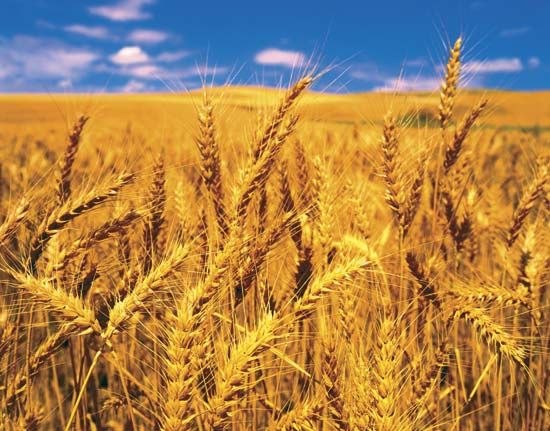
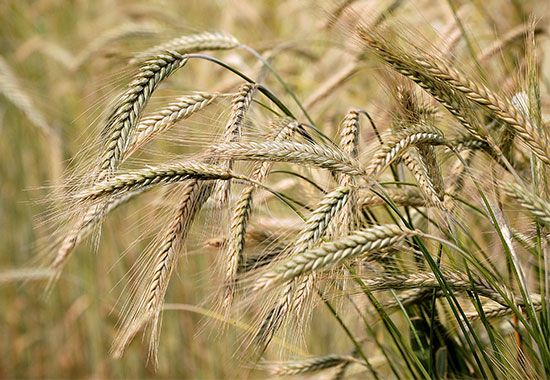
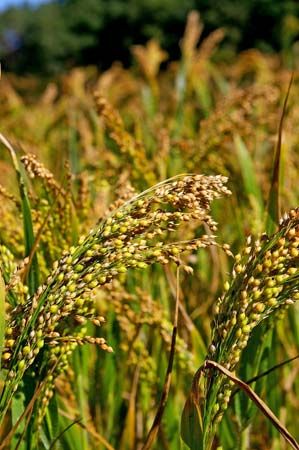
- Grains: Farmers grow various cereals, including wheat, barley, and millet.17
- Vegetables: A variety of vegetables are produced to support the local population.17
In many Saharan oases, these crops are often grown in the shade of the date palm, which creates a microclimate conducive to the growth of other plants, such as citrus fruits, figs, peaches, and apricots.7
Sources
- Touat — Encyclopædia Britannica
- Sahara - People of the Sahara — Encyclopædia Britannica
- Africa - Groundwater of Africa — Encyclopædia Britannica
- Touggourt — Encyclopædia Britannica
- Kairouan — Encyclopædia Britannica
- Medina - City layout — Encyclopædia Britannica
- oasis — Encyclopædia Britannica
Published on · 2 min read