Working Dog
A working dog is any dog that is suitable by size, breeding, or training to perform useful tasks, distinguishing it from animals kept primarily as pets, show…
What is working dog?
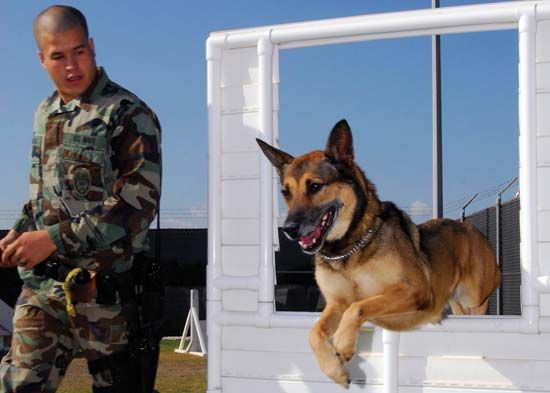
A working dog is any dog that is suitable by size, breeding, or training to perform useful tasks, distinguishing it from animals kept primarily as pets, show dogs, or for sporting purposes. These dogs are typically sturdy, muscular, intelligent, and loyal.12
Working dogs are categorized by the specific roles they fulfill:
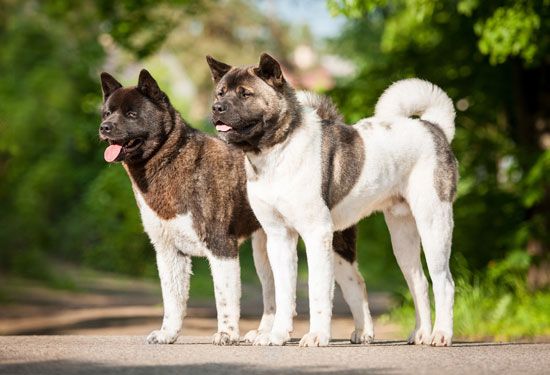
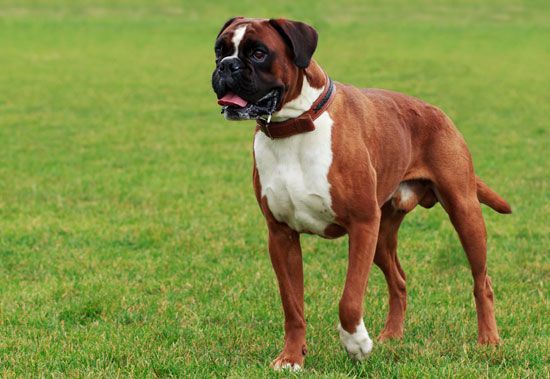
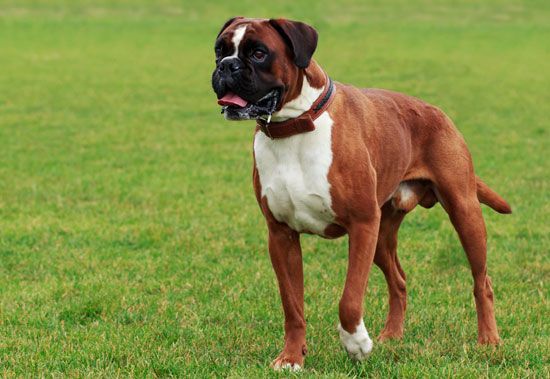
- Guard and Protection: Breeds such as the Akita, boxer, Doberman pinscher, and Rottweiler are often used for guarding.2
- Herding: Breeds like the German shepherd, Belgian Malinois, and Welsh corgi are bred to manage livestock.2
- Draft and Rescue: Breeds such as the Newfoundland, St. Bernard, and Bernese mountain dog are developed for hauling or rescue work.2
It is important to distinguish working dogs from service animals; while service animals are working animals, they are specifically trained to assist people with disabilities and are not considered pets.3
How do service dogs differ from working dogs?
While the terms are sometimes used interchangeably, there is a distinct difference between a working dog and a service dog. A working dog is a broad category for any dog bred or trained to perform practical tasks—such as herding livestock or hauling loads—that distinguish it from animals kept primarily as pets, show dogs, or for sporting purposes.1
In contrast, a service dog is a specific type of working animal trained to perform essential tasks for individuals with disabilities. Because they provide necessary assistance for daily living, service dogs are legally recognized under frameworks like the Americans with Disabilities Act, which grants them access to public places and businesses where pets are typically prohibited.4
Key distinctions include:
- Purpose: Working dogs often perform labor-intensive roles (e.g., guarding or herding), whereas service dogs are trained to mitigate specific physical or sensory impairments, such as guiding the visually impaired or alerting those with seizure disorders.4
- Legal Status: Service animals are protected by specific legislation, whereas the term “working dog” describes a functional role rather than a legal status.14
What specific training methods are used for herding dogs?
Herding dogs are trained to control, separate, and move livestock across fields, through gates, and into pens by responding to their handler’s specific cues. While the provided information does not detail a step-by-step training curriculum, it highlights that these dogs are trained to perceive and execute complex instructions, including:6
- Hand Signals: Subtle physical gestures used to direct the dog’s movement.76
- Whistle Commands: High-frequency or distinct auditory signals used to guide the dog over distances.76
- Voice Commands: Verbal cues used to manage the dog’s speed, direction, and interaction with the herd.6
The effectiveness of this training relies on the dog’s natural instincts, such as the Border Collie’s “hypnotic stare” used to direct herds, or the tendency of some breeds to circle, bark, and nip at heels to drive animals. In competitive settings, such as herding contests, dogs are evaluated on their efficiency, accuracy, and cooperation with the handler.76
How have dogs historically assisted in military operations?
Historically, dogs have served in military operations as “war dogs,” a term used to describe canines trained for service on the battlefield. Their roles have evolved from unofficial mascots to invaluable assets capable of performing specialized tasks that protect soldiers and support mission objectives.89
One of the most notable examples is Sergeant Stubby, a stray dog who became a decorated member of the U.S. Army during World War I. Stubby’s contributions included:
- Gas Detection: He developed the ability to detect mustard gas, allowing him to alert soldiers to incoming attacks.9
- Search and Rescue: He was skilled at locating wounded soldiers on the front lines.9
- Security: He played a key role in the capture of an enemy spy.9
Following his service, Stubby became the first dog to be promoted to the rank of sergeant in the U.S. Army. While dogs have provided vital assistance in combat, it is important to note that the military has also utilized various animals for research and “live tissue training,” a practice that has faced significant ethical opposition from organizations such as PETA due to the harm inflicted upon the animals.910
Sources
- working dog — Merriam-Webster
- working dog — Encyclopædia Britannica
- Doberman Pinscher — Encyclopædia Britannica
- How Service Animals Help Humans Live Fuller Lives — Encyclopædia Britannica
- dog - Dogs as pets — Encyclopædia Britannica
- dog - Herding dogs — Encyclopædia Britannica
- dog sports - Herding and treibball — Encyclopædia Britannica
- war dog — Merriam-Webster
- Animal testing - Animals in space and the military — Encyclopædia Britannica
- 8 Famous Animals — Encyclopædia Britannica
Published on · 3 min read