Tung Tree
The tung tree (Aleurites fordii), a member of the spurge family, possesses distinct botanical features that make it both decorative and commercially…
What are some interesting characteristics of tung tree flowers and fruits?
The tung tree (Aleurites fordii), a member of the spurge family, possesses distinct botanical features that make it both decorative and commercially significant.1
Floral and Fruit Characteristics
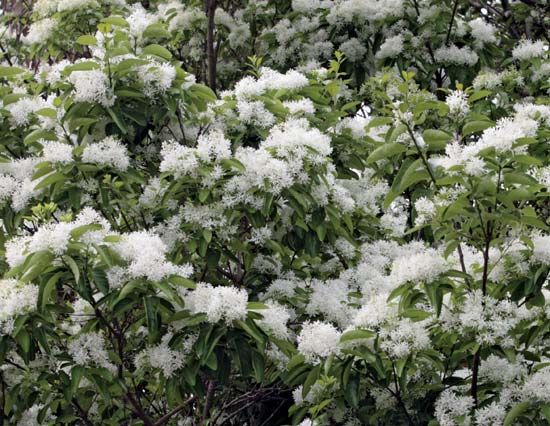
- Flowers: The tree produces attractive white flowers that are notable for their reddish centers.1
- Fruits: The tree bears globular, apple-sized fruits. These fruits contain nutlike seeds, which are the primary source of [tung oil].12
Beyond its appearance, the tung tree is valued for its rapid growth in subtropical and tropical climates. The oil extracted from its seeds is highly prized for its ability to polymerize into a hard, waterproof, and acid-resistant gel, making it a staple in the production of quick-drying paints, varnishes, and various industrial insulating compounds.12
How does tung oil compare to other plant-based oils in terms of its properties and applications?
Tung oil is distinguished from many other plant-based oils by its unique ability to polymerize into a hard, waterproof, and acid-resistant gel when heated or left to stand for extended periods. While many vegetable oils are used for culinary or cosmetic purposes, tung oil is classified specifically as a “drying oil,” meaning it is prized for its industrial utility rather than consumption.14
Its primary applications are centered on its durability and protective qualities:
- Protective Coatings: It is a key ingredient in quick-drying paints and varnishes, providing a resilient finish.14
- Waterproofing: It serves as an effective agent for waterproofing various materials.14
- Industrial Manufacturing: It is utilized in the production of linoleum, oilcloth, and specialized insulating compounds.1
Because the provided search results focus exclusively on the properties and industrial uses of tung oil, I cannot provide a direct comparison to the chemical compositions or specific applications of other plant-based oils.
What are the main uses of tung oil, which is derived from tung tree seeds?
Tung oil is a pale-yellow, pungent drying oil extracted from the seeds of the tung tree. Its primary value lies in its unique chemical property: when heated or left to stand, it polymerizes into a hard, waterproof gel that is highly resistant to both acids and alkalies.14
Because of these durable characteristics, it is used in a variety of industrial and protective applications:
- Protective Coatings: It is a primary ingredient in quick-drying paints and varnishes.14
- Waterproofing: It is widely used as a waterproofing agent for various surfaces.14
- Manufacturing: It is essential in the production of linoleum, oilcloth, and specialized insulating compounds.1
The production of this oil is centered primarily in China.1
Are there any potential health or environmental concerns associated with tung trees or tung oil?
The provided information regarding tung oil focuses on its chemical properties and industrial applications, such as its use in varnishes, paints, and waterproofing agents.1
The available data does not contain information regarding potential health or environmental concerns associated with the cultivation of the tung tree or the use of its oil. Consequently, I cannot provide details on those specific topics.
Sources
- tung oil — Encyclopædia Britannica
- tung tree — Encyclopædia Britannica
- tung tree — Merriam-Webster
- tung oil — Merriam-Webster
Published on · 2 min read