Vegetable
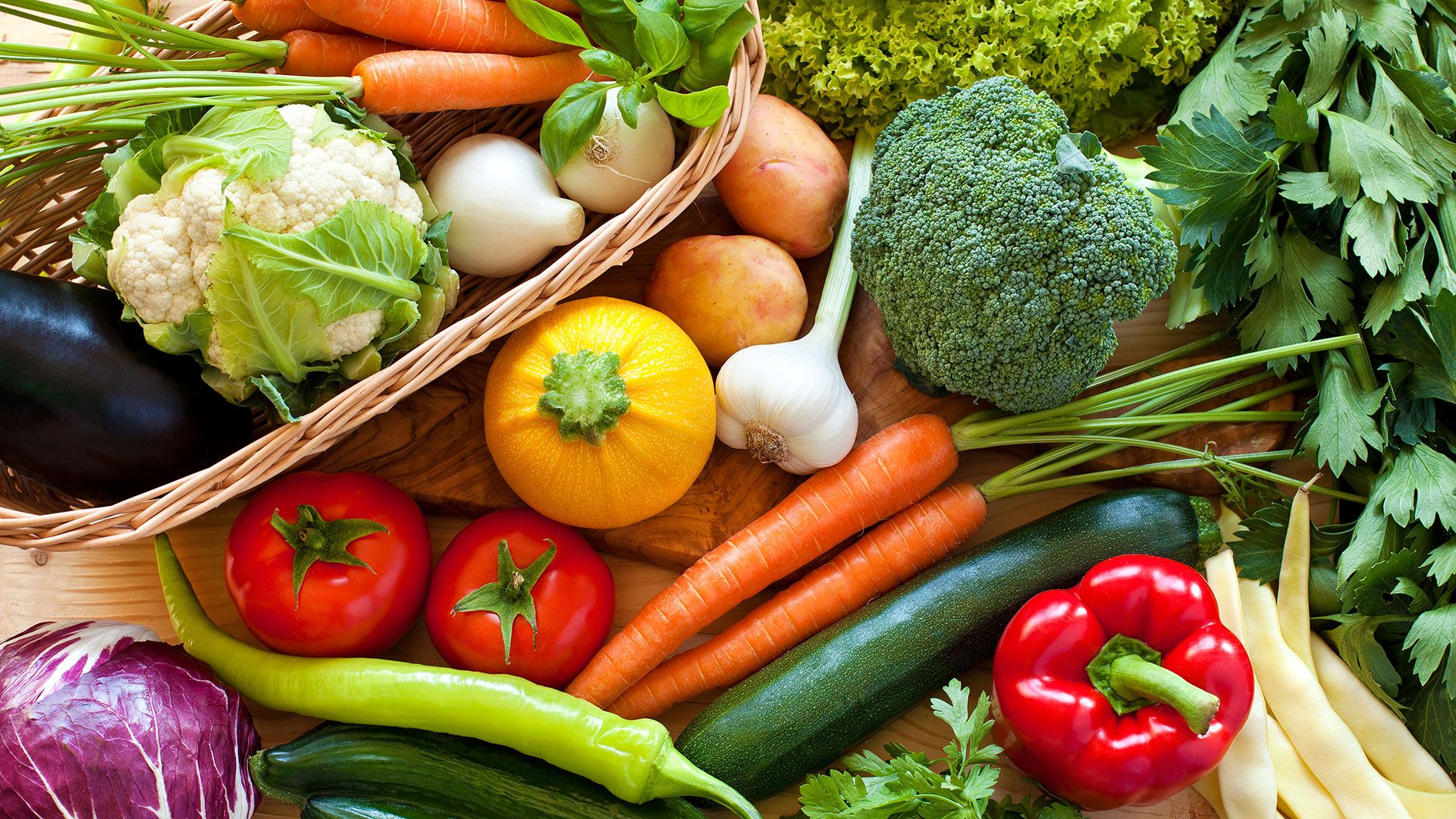
Preparing vegetables involves several techniques designed to clean, preserve, or cook them effectively.
What are some common methods of cooking and preparing vegetables?
Preparing vegetables involves several techniques designed to clean, preserve, or cook them effectively.
Preparation and Pre-processing
Before cooking, vegetables are typically washed to remove dirt and debris. For certain vegetables, such as cucumbers, a waxing step may be applied to improve shelf life and appearance. To prepare vegetables for long-term storage like freezing, drying, or canning, blanching is a critical thermal process. This involves heating vegetables in hot water (88 °C/190 °F) or steam (100 °C/212 °F) for a short duration to inactivate enzymes that cause discoloration and off-flavors. Blanching also reduces microbial loads and wilts leafy vegetables for easier packaging.123
Cooking Methods
- Boiling: Vegetables are immersed in water heated to near its boiling point. While some traditions prefer a soft consistency through protracted boiling, others, such as nouvelle cuisine, favor minimal boiling to preserve color, texture, and flavor.4
- Steaming: This method involves placing vegetables on a rack above boiling water in a covered pan. It is highly valued for retaining nutrients, color, and texture.4
- Pressure Cooking: A variation of steaming that uses a sealed vessel to cook tougher vegetables under high pressure.4
How are vegetables classified botanically, and how does this differ from culinary classification?
The distinction between botanical and culinary classifications of vegetables often leads to confusion because the terms serve different purposes.
Botanical Classification
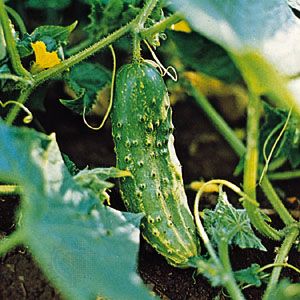
Botanically, a fruit is defined as the ripened ovary of a seed-bearing plant, serving as the reproductive body that contains seeds. By this technical definition, many items commonly called vegetables—such as tomatoes, cucumbers, peppers, squash, and eggplant—are actually fruits. Conversely, true vegetables in a botanical sense are the vegetative parts of the plant, such as the roots, stems, leaves, or bulbs.5678
Culinary Classification
In culinary and nutritional contexts, classification is based on usage and flavor profile rather than plant anatomy.57
- Vegetables: Generally include plant parts (roots, stems, leaves, flowers, or bulbs) that are consumed as part of a savory main dish or side.578
- Fruits: Typically refer to sweet, fleshy botanical fruits that are served as snacks or desserts.57
Because of this, many botanical fruits are categorized as vegetables in the kitchen because they are savory and used in main courses. There is no rigid rule for this distinction, but it reflects how we integrate these foods into our diets.578
What is the definition of a vegetable in culinary terms?
In culinary terms, the definition of a vegetable is based on how a plant or plant part is used in a meal rather than its botanical classification. Generally, vegetables are defined as the fresh, edible portions of herbaceous plants that are typically consumed as part of a savory main course or side dish.689
This culinary distinction often contrasts with botanical definitions. For example, while plants like tomatoes, cucumbers, and peppers are botanically classified as fruits because they contain seeds, they are widely regarded as vegetables in the kitchen because they are served with savory meals rather than as desserts.68
Culinary vegetables encompass a wide variety of plant structures, including:
- Roots and Tubers: Such as carrots and potatoes.610
- Stems and Leafstalks: Such as asparagus and celery.6
- Leaves: Such as lettuce and spinach.6
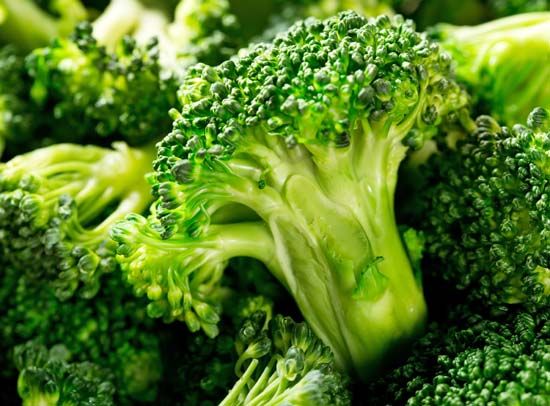
- Flowers and Buds: Such as broccoli and brussels sprouts.6
- Seeds: Such as peas.69
How are vegetables preserved for long-term storage and use?
Vegetables are preserved for long-term storage through several methods designed to slow biological decay or inhibit microbial growth. These techniques include:
- Storage (Fresh): Vegetables can be kept in their living state by controlling temperature, humidity, and air circulation. Common storage uses insulated houses, cellars, or mounds, while cold storage (refrigeration) provides precise environmental control to extend shelf life for weeks or months.1213
- Canning: Vegetables are packed in containers and subjected to high-heat treatment to destroy bacteria spores. The containers are sealed to create a vacuum, allowing them to be stored at room temperature for years.14
- Freezing: This method preserves quality and nutrients by slowing life processes. Techniques like individually quick-frozen (IQF) methods prevent large ice crystals from forming, which helps maintain texture and flavor.15
- Dehydration: Removing water reduces volume and weight, making storage and transport easier. Techniques range from air drying to advanced freeze-drying, which uses vacuum conditions to sublimate ice directly into vapor, preserving color and nutrients.1617
- Fermentation and Pickling: Adding salt to a watery solution suppresses harmful microbes and encourages beneficial fermentation. This process can preserve vegetables like cucumbers for several years.18
Sources
- vegetable processing - Blanching — Encyclopædia Britannica
- boiling — Encyclopædia Britannica
- food preservation - Blanching — Encyclopædia Britannica
- vegetable processing - Harvesting and storing — Encyclopædia Britannica
- Is a Tomato a Fruit or a Vegetable? — Encyclopædia Britannica
- Vegetable farming — Encyclopædia Britannica
- Vegetable — Encyclopædia Britannica
- Fruit vs. Vegetable — Merriam-Webster
- Root vegetable — Encyclopædia Britannica
- Vegetable: Top Questions — Encyclopædia Britannica
- vegetable processing - Structure and composition — Encyclopædia Britannica
- Vegetable farming - Storage — Encyclopædia Britannica
- food preservation - Pickled fruits and vegetables — Encyclopædia Britannica
- vegetable processing - Canning — Encyclopædia Britannica
- vegetable processing - Freezing — Encyclopædia Britannica
- food preservation - Dehydration — Encyclopædia Britannica
- vegetable processing - Dehydration — Encyclopædia Britannica
- cellar — Encyclopædia Britannica
Published on · 4 min read