Fuchun River
The Fuchun River system served as a vital artery for trade and transportation in ancient China, acting as the primary route for the colonization of the…
What role did the Fuchun River play in ancient Chinese trade and transportation?
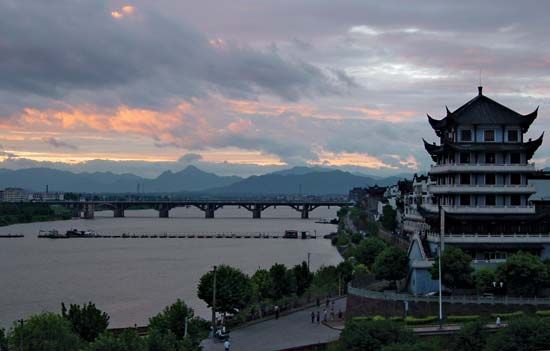
The Fuchun River system served as a vital artery for trade and transportation in ancient China, acting as the primary route for the colonization of the southeastern region. By connecting the coastal areas of Hangzhou and Shanghai to the inland territories of Zhejiang, northern Fujian, and Jiangxi, the river facilitated essential movement of people and goods.1
Cities like Quzhou leveraged their position on the upper reaches of the river—locally known as the Changshan River—to function as natural transportation hubs. These centers acted as collection points for the upper valleys, gathering agricultural and industrial products for distribution. While the river’s navigation was limited to smaller vessels like junks, it remained a critical commercial link until the advent of modern railways significantly reduced its role in regional transport.21
What is the total length of the Fuchun River and how does it compare to other major rivers in China?
The Fuchun River, located in Zhejiang province, has an estimated length of approximately 240 miles (385 km).1
When compared to the major river systems of China, the Fuchun River is relatively modest in scale. While it serves as a critical regional artery for inland access, its drainage area of about 16,455 square miles (42,620 square km) is significantly smaller than that of the country’s primary waterways, such as the Yangtze River or the Yellow River. Furthermore, unlike these massive rivers that support large-scale commercial shipping, the Fuchun River system is characterized by limited navigability, restricted primarily to smaller vessels like junks and small steamers.1
How does the Fuchun River contribute to the local economy and industries in the region?
The Fuchun River plays a significant role in the regional economy of Zhejiang province by supporting both traditional industries and modern infrastructure. Its drainage basin covers two-fifths of the province, providing essential water resources for the region’s highly productive agricultural sector, particularly for the irrigation of rich rice lands in the delta4.
The river’s industrial impact has been transformed by the Xin’an River Reservoir hydroelectric project. Since the mid-1960s, the availability of large-scale electric power has fueled the growth of diverse industries in cities like Quzhou. Beyond traditional food processing, such as rice-polishing and oil-extraction, the region has expanded into the manufacturing of chemicals, building materials, textiles, and mechanical and electrical equipment. Additionally, the river’s unique tidal bore near the Hangzhou estuary serves as a famed tourist attraction, contributing to the local service economy.132
What types of flora and fauna are native to the Fuchun River basin?
The provided search results do not contain specific information regarding the native flora and fauna unique to the Fuchun River basin itself. However, the broader region of Zhejiang province, where the river is located, features a diverse subtropical ecosystem.
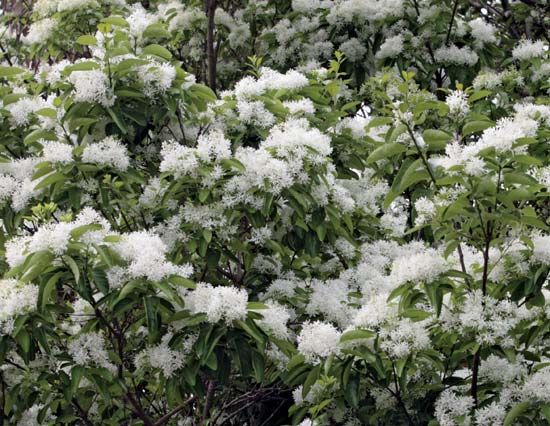
In the hilly and mountainous areas surrounding the river valley, the vegetation consists of mixed evergreen broad-leaved and coniferous forests. Common tree species include laurels, pines, cypresses, and beeches. Bamboos are ubiquitous throughout the region, and tung trees, which are valued for their oil, are widely distributed in the upper Fuchun River valley.1
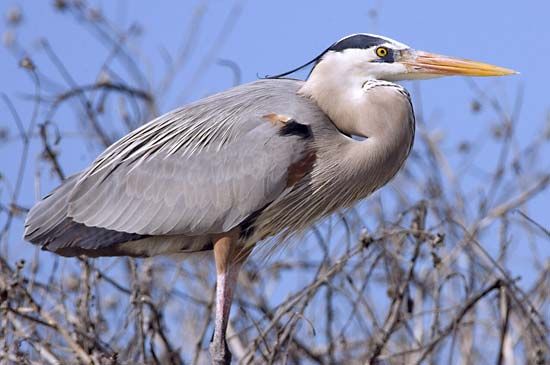
The local fauna is characteristic of the subtropical forest zone and includes a wide variety of animals, such as monkeys, anteaters, southern herons, water turtles, various frogs, and numerous bird species. Additionally, the region hosts a high diversity of invertebrates, particularly subtropical and southern Asian insects.1
Sources
- Fuchun River — Encyclopædia Britannica
- Quzhou — Encyclopædia Britannica
- Zhejiang — Encyclopædia Britannica
- Zhejiang - Drainage — Encyclopædia Britannica
- Fujian - Drainage — Encyclopædia Britannica
- Xin’an River Reservoir — Encyclopædia Britannica
- Zhejiang - Plant and animal life — Encyclopædia Britannica
Published on · 3 min read