Tungara Frog
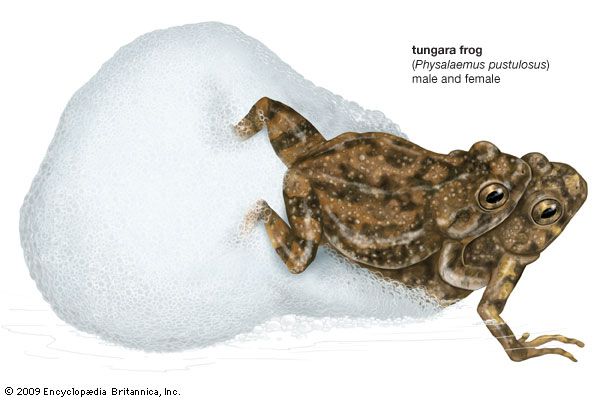
The scientific name of the tungara frog is Physalaemus pustulosus.
What is the scientific name of the tungara frog and what does it mean?
The scientific name of the tungara frog is Physalaemus pustulosus.1
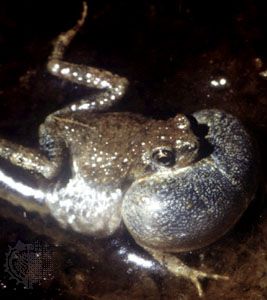
The species name, pustulosus, is derived from the Latin term meaning “pustulous” or “pustular,” which describes the frog’s appearance. This refers to the amphibian’s rough, bumpy skin, which helps it remain cryptically camouflaged against the leaf litter of its natural habitat in moist, lowland regions ranging from Mexico to northern South America.231
How does the tungara frog’s size compare to other frog species?
The tungara frog (Physalaemus pustulosus) is a small amphibian, typically measuring between 25 and 35 mm (1 to 1.4 inches) in length.1
When compared to the broader order of anurans, which includes approximately 7,300 living species, the tungara frog falls on the smaller end of the size spectrum. While many frog families contain species with similar dimensions—such as the poison frogs (1.5–5 cm) or certain tree frogs (starting at 1.7 cm)—the tungara frog is significantly smaller than the largest members of other families. For instance, some true toads and true frogs can reach lengths of up to 25 cm (10 inches). Within its own family, Leptodactylidae, the tungara frog is relatively modest in size, as the family encompasses a wide range of species that can grow up to 20 cm (8 inches) long.14
How do tungara frogs contribute to their ecosystem?
Tungara frogs (Physalaemus pustulosus) play several roles within their tropical forest ecosystems:
- Consumer of Insects: As insectivores, these frogs help regulate insect populations in their environment. Unlike many other small frogs, they do not specifically target ants, allowing them to consume a broader range of prey.1
- Prey Source: The frogs serve as a vital food source for various predators, including snakes, opossums, fringe-lipped bats, and other frogs. This predator-prey dynamic is so significant that it has influenced the evolution of the frogs’ mating calls, as males must balance the need to attract mates with the risk of being detected by predators.15
- Nutrient Cycling: The tadpoles of the species contribute to the ecosystem by consuming detritus in the water, which assists in the breakdown of organic matter.1
The species’ presence and behaviors, such as their unique foam-nesting habits, are integral to the complex competition and survival strategies found within their lowland habitats.15
How have tungara frogs adapted to their environment?
Tungara frogs (Physalaemus pustulosus) have evolved several physical and behavioral adaptations to survive in their tropical lowland environments:
- Cryptic Coloration: These frogs possess rough, brown skin that acts as camouflage, allowing them to blend seamlessly into the leaf litter of their habitat to avoid detection by predators.1
- Adaptive Mating Behavior: Males face a significant evolutionary trade-off regarding their mating calls. While complex calls are more attractive to females, they also make the males easier for predators like the fringe-lipped bat to locate. Consequently, males often adjust the complexity of their calls based on the level of intraspecific competition present.16
- Foam Nesting: To protect their offspring, females and males construct specialized foam nests. These nests float on water and can house 100–200 eggs. This structure provides a secure environment for development, and if a pool begins to dry, tadpoles can aggregate beneath the foam to survive for up to five days.1
Sources
- tungara frog — Encyclopædia Britannica
- pustulose — Merriam-Webster
- pustulous — Merriam-Webster
- frog and toad - Annotated classification — Encyclopædia Britannica
- Singing a different tune — Encyclopædia Britannica
- fringe-lipped bat — Encyclopædia Britannica
Published on · 3 min read