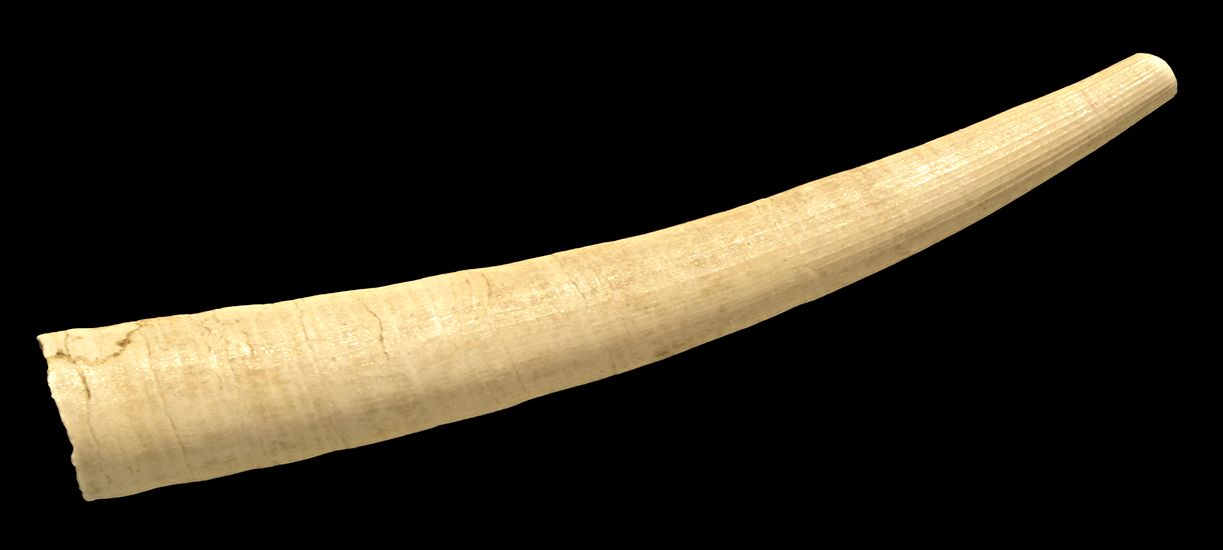
Tusk Shell
Tusk shells, which belong to the class Scaphopoda, are marine mollusks that typically live buried in the sea bottom with their larger, anterior end submerged…
How do tusk shells feed and what is their typical diet?
Tusk shells, which belong to the class Scaphopoda, are marine mollusks that typically live buried in the sea bottom with their larger, anterior end submerged in the sediment.1
Feeding Mechanism
To feed, tusk shells utilize specialized, slender tentacles known as captacula. These organs serve as both sensory and food-catching tools, extending from the head into the surrounding substrate to capture prey.1
Typical Diet
The diet of a tusk shell consists primarily of small organisms found within the marine sediment. Their food sources typically include:1
- Protozoans: Specifically those belonging to the order Foraminifera.1
- Young bivalves: Small, juvenile members of the class Bivalvia.1
Where are tusk shells typically found in marine environments?
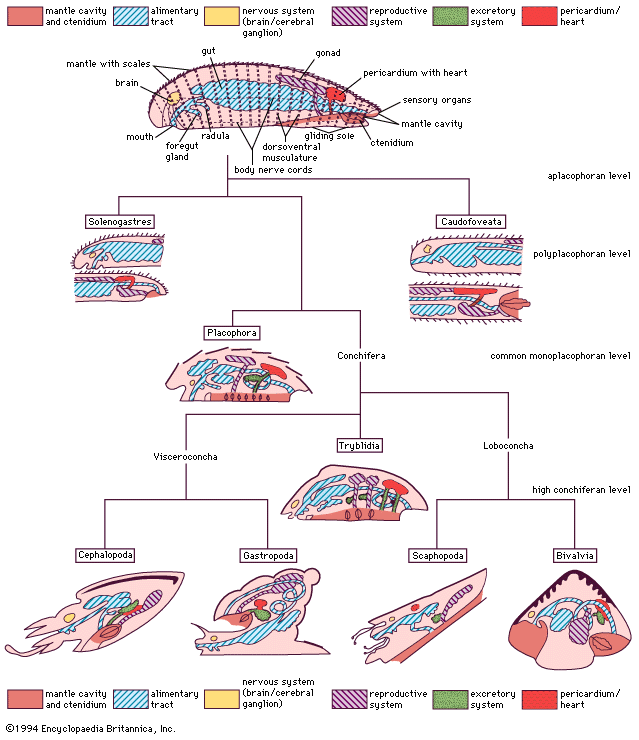
Tusk shells, members of the class Scaphopoda, are primarily benthic organisms that inhabit marine environments characterized by soft substrates. They are typically found dwelling in sand or sandy mud bottoms.1
Regarding their depth distribution, tusk shells are generally found in fairly deep water, with some species occurring at depths of approximately 4,000 meters (13,000 feet). Other records indicate that scaphopods can be found at depths reaching down to 7,000 meters. Many deep-sea species are cosmopolitan, meaning they have a widespread distribution across the world’s oceans. These mollusks live with their larger, anterior end buried within the sediment, while the posterior end remains exposed to the water to facilitate respiration and waste discharge.61
How do tusk shells reproduce and what is their life cycle like?
Tusk shells, which belong to the class Scaphopoda, exhibit a reproductive process characterized by separate sexes.
Reproduction and Life Cycle
In these marine mollusks, the sexes are distinct. During reproduction, the eggs are fertilized and subsequently develop into free-swimming trochophore larvae. These larvae eventually settle and undergo metamorphosis to develop into the adult form, which resides in a tubular, tusklike shell buried within the sea floor.1
How are tusk shells used by humans, if at all?
While tusk shells are fascinating marine mollusks, the provided information does not contain details regarding their use by humans. Historically, however, the shells of certain species, particularly those in the genus Dentalium, have been utilized by various cultures as a form of currency, for personal adornment, and in ceremonial regalia.
Sources
- tusk shell — Encyclopædia Britannica
- list of mollusks — Encyclopædia Britannica
- bivalve - Food and feeding — Encyclopædia Britannica
- malacostracan - Food and feeding — Encyclopædia Britannica
- bivalve - Features of defense and aggression — Encyclopædia Britannica
- mollusk - Habitats, feeding habits, and associations — Encyclopædia Britannica
- Reproductive behaviour - Crustaceans — Encyclopædia Britannica
Published on · 2 min read