Malacostracan
The class Malacostraca is the largest group of crustaceans, encompassing more than 29,000 living species. These invertebrates exhibit a vast diversity of…
What are some common examples of malacostracan crustaceans?
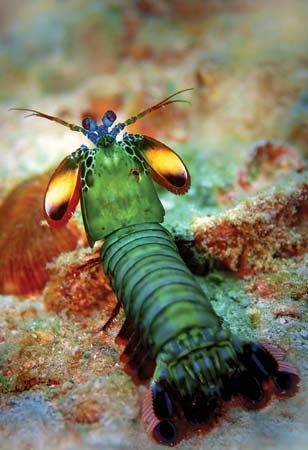
The class Malacostraca is the largest group of crustaceans, encompassing more than 29,000 living species. These invertebrates exhibit a vast diversity of body forms and are found in marine, freshwater, and terrestrial environments worldwide.12
Common examples of malacostracan crustaceans include:
- Lobsters: Highly diverse decapods often found in marine environments.12
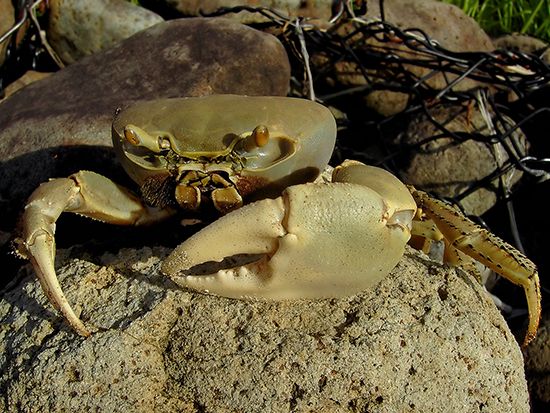
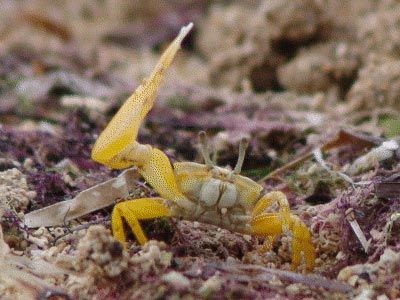
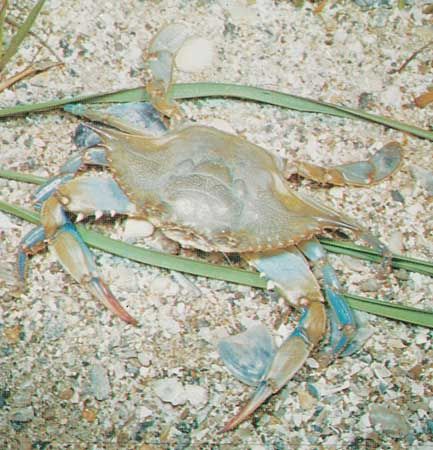
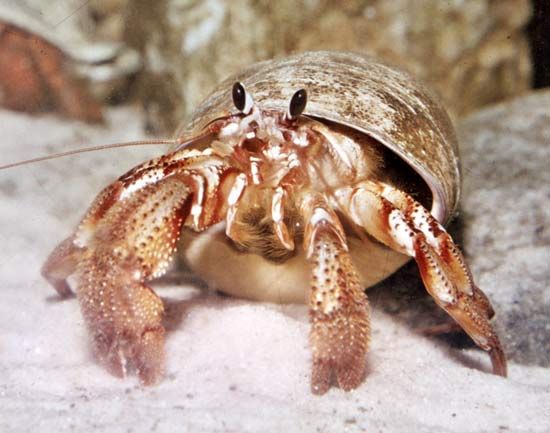
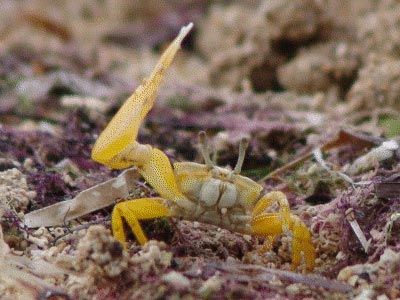
- Crabs: A broad category including various species such as hermit crabs and fiddler crabs, which have adapted to both aquatic and terrestrial habitats.123
- Shrimp: Ranging from small, open-ocean species to those inhabiting tropical shallows.13
- Crayfish: Primarily freshwater crustaceans that are closely related to lobsters.13
- Isopods: A major order of malacostracans that are widespread in marine, freshwater, and terrestrial ecosystems.12
These animals are characterized by their specialized body regions and sophisticated appendages, which have contributed to their evolutionary success.2
How do malacostracans reproduce and what is their life cycle like?
The life cycle of malacostracans typically progresses through an egg stage, a series of larval or immature growth stages, and finally a sexually mature adult stage. While many species undergo free-swimming, plankton-feeding larval development, others suppress these stages, with embryos hatching as juveniles that resemble miniature adults.56
Reproduction and Mating
Reproduction varies significantly based on habitat and species complexity:
- Primitive Swarming: In some groups, males locate females in open water, often synchronized by lunar cycles or food availability. Mating is brief and usually occurs immediately after the female’s reproductive molt while her exoskeleton is soft.5
- Advanced Benthic Mating: Bottom-dwelling species often engage in prolonged mating. Males may guard or carry females (preamplexus) before copulation (amplexus). In these groups, sperm transfer is often assisted by specialized abdominal appendages (pleopods) to facilitate internal fertilization.5
- Brooding: Many malacostracans protect their offspring. Eggs may be attached to the female’s pleopods or held within a thoracic brood pouch, where they hatch as late-stage larvae or juveniles.56
Development
Developmental paths range from complex metamorphosis to direct growth:
- Larval Stages: Species that shed eggs freely often hatch as nauplius larvae or specialized forms like zoeae and phyllosoma. These larvae eventually settle to the bottom to continue development.56
- Direct Development: Many isopods, amphipods, and some decapods (such as crayfish) bypass free-living larval stages entirely, emerging from the egg as juveniles.56
What are the main characteristics that define malacostracan crustaceans?
Malacostracans are the most diverse and successful class of Crustacea, comprising over 29,000 species. Their evolutionary success is largely attributed to their specialized body regions and sophisticated appendages.27
Fixed Body Plan
Malacostracans follow a consistent structural organization consisting of three distinct regions:1
- Head: Composed of five segments, it supports paired compound eyes, two pairs of antennae, and three pairs of chewing mouthparts.1
- Thorax: Consists of eight segments. In many species, the head and some thoracic segments are covered by a carapace, which may be reduced or absent in groups like isopods and amphipods.1
- Abdomen: Typically contains six or seven unfused segments, ending in a tail fan formed by the telson and a pair of uropods.1
Key Evolutionary Features
- Appendage Specialization: A significant evolutionary shift moved food-gathering limbs from the head to the thorax, freeing the antennae for sensory functions like detecting odors and vibrations.2
- Locomotion: Thoracic legs are typically biramous (two-branched) and adapted for walking or swimming, while abdominal limbs (pleopods) are primarily used for swimming or, in males, sperm transfer.1
- Adaptability: They occupy diverse environments, from deep-sea abysses to terrestrial landmasses, utilizing varied food resources.27
How do malacostracans differ from other types of crustaceans?
Malacostracans are distinguished from other crustaceans primarily by their highly specialized body plan and evolutionary advancements that have enabled them to become the most diverse and successful class within the subphylum Crustacea, accounting for more than two-thirds of all living crustacean species.2
Key differences include:
- Fixed Body Organization: Unlike many other crustaceans, malacostracans follow a rigid structural plan consisting of a head with five segments, a thorax with eight segments, and an abdomen typically composed of six or seven segments.7
- Appendage Specialization: A defining evolutionary shift moved food-gathering limbs from the head to the thorax. This transition freed the antennae to develop specialized sensory functions for detecting vibrations, sounds, and odors, while increasing the number of mouthparts (maxillipeds) available for feeding.2
- Advanced Locomotion and Respiration: Malacostracans exhibit a distinct rearward shift of swimming and respiratory functions toward the thorax and abdomen. This allows for more efficient movement and environmental adaptation compared to more primitive crustacean groups.2
- Reproductive Strategies: Many malacostracans have evolved to brood their eggs, often suppressing free-living larval stages in favor of direct development, which enhances offspring survival in varied environments.28
Sources
- malacostracan - Distribution and abundance — Encyclopædia Britannica
- malacostracan — Encyclopædia Britannica
- decapod — Encyclopædia Britannica
- crustacean - Distinguishing taxonomic features — Encyclopædia Britannica
- malacostracan - Reproduction and life cycles — Encyclopædia Britannica
- crustacean - Reproduction and life cycles — Encyclopædia Britannica
- malacostracan - Size range and diversity of structure — Encyclopædia Britannica
- malacostracan - Evolution and paleontology — Encyclopædia Britannica
Published on · 4 min read