Western Honeybee
The western honeybee (Apis mellifera) is an economically vital species of honeybee valued globally for its pollination services and the production of honey…
What is a western honeybee?
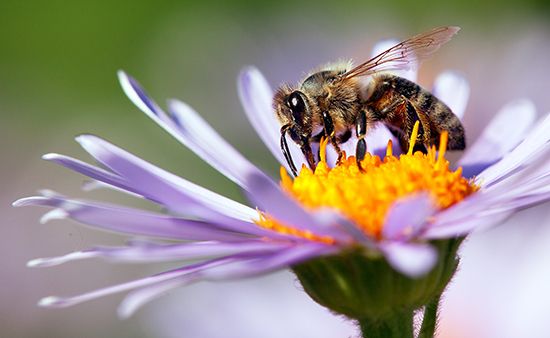
The western honeybee (Apis mellifera) is an economically vital species of honeybee valued globally for its pollination services and the production of honey and beeswax. Native to Europe, northern Africa, and the Middle East, it has been naturalized worldwide through beekeeping.12
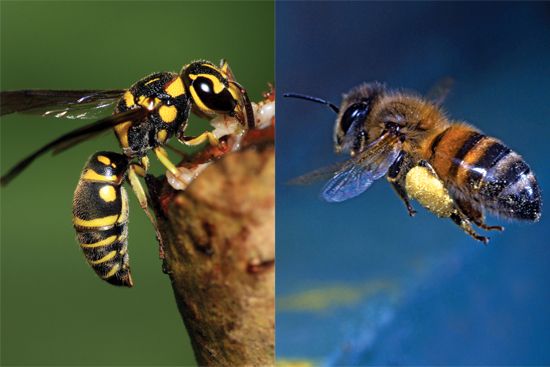
These eusocial insects live in complex colonies that function as a single organism, typically consisting of one queen, thousands of female worker bees, and a smaller number of male drones. Workers maintain the hive, collect nectar and pollen, and communicate food locations through dancelike movements.34
Beyond their ecological role in plant reproduction, western honeybees are essential to industrial agriculture, supporting the production of numerous fruits, nuts, and vegetables. Their wax and honey have historically served as critical resources for food, medicine, and manufacturing.2
Where do western honeybees live?
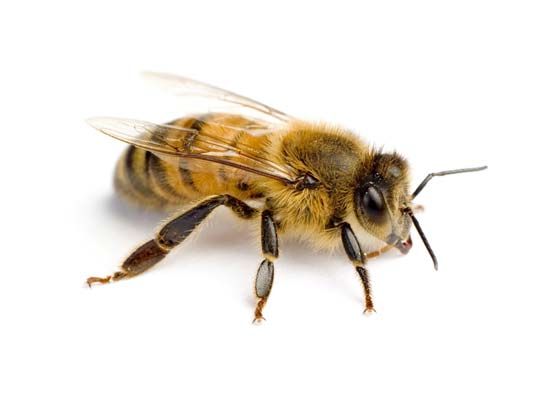
The western honeybee (Apis mellifera) is native to Europe, northern Africa, and the Middle East. Due to their immense value in beekeeping, they have been introduced by humans and have become naturalized on nearly every continent.13
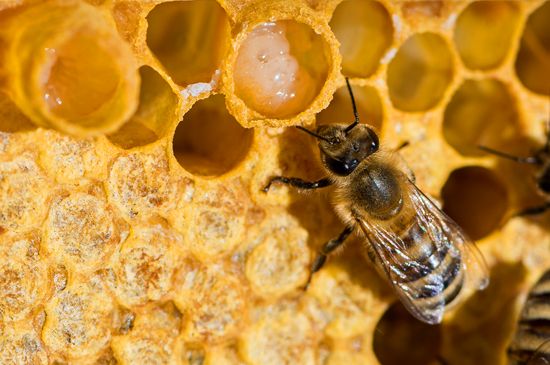
Western honeybees live in highly organized colonies that function as a single unit. They construct nests, or hives, using honeycomb made of beeswax. These nests are carefully maintained; for instance, the bees regulate the temperature of the broodnest to approximately 93 °F (34 °C). When searching for a new home, scout bees locate suitable domiciles, and the colony may swarm to relocate to these new sites.54
How do western honeybees make honey?
Western honeybees produce honey through a sophisticated process of collection, chemical transformation, and dehydration.
The Production Process
- Collection: Worker bees gather nectar from flowers and store it in their “honey stomachs,” a specialized part of the digestive system that serves as a reservoir.64
- Chemical Transformation: While the bee returns to the hive, enzymes in its stomach begin breaking down the nectar’s complex sucrose into simpler sugars, specifically fructose and glucose.6
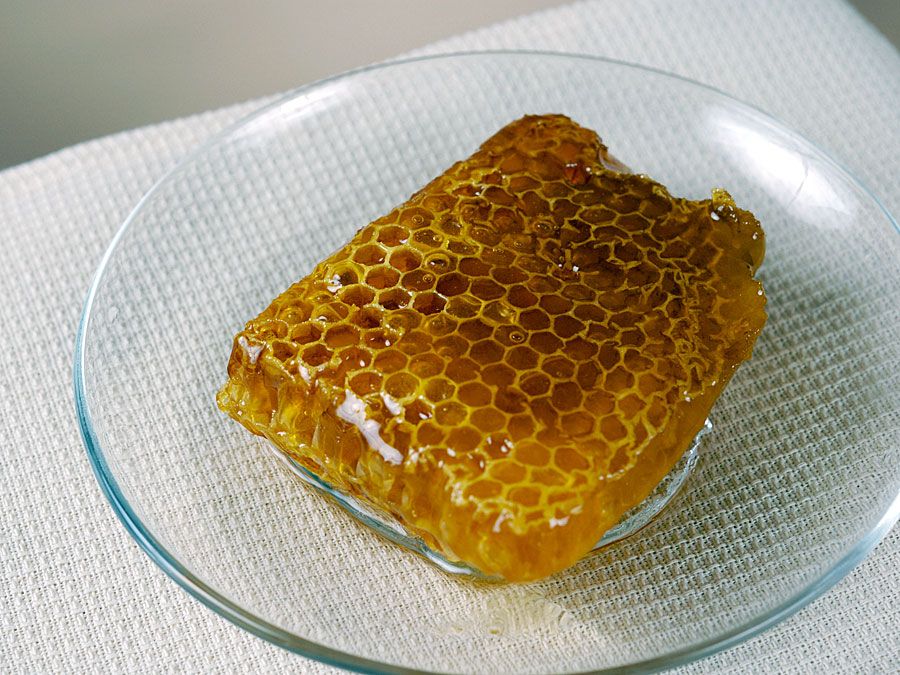
- Dehydration: Once back at the hive, the nectar is deposited into honeycomb cells made of beeswax. Because raw nectar contains up to 80 percent water, the bees must reduce this to about 18 percent to prevent spoilage. They achieve this by rapidly beating their wings over the cells to promote evaporation.67
- Preservation: Once the honey reaches the desired consistency, the bees seal the cells with wax to preserve the food for the colony, particularly for use during winter.6
What is the role of the queen in a western honeybee colony?
The queen bee serves as the reproductive heart of the western honeybee colony. Her primary role is to lay eggs, often producing a thousand or more per day to ensure the colony’s population remains stable.9
Key aspects of her role include:
- Reproduction: After emerging, a virgin queen performs mating flights to store sperm in her spermatheca, which allows her to fertilize eggs for the remainder of her life. She is the only member of the colony capable of laying the fertilized eggs that develop into female workers.109
- Chemical Regulation: The queen secretes “queen substance” from her mandibular glands. This pheromone acts as a critical regulator of colony structure by suppressing the development of ovaries in worker bees and preventing them from rearing additional queens.11
- Colony Continuity: If the queen dies or her egg-laying efficiency declines, the workers will rear a new “supersedure” queen to take her place. During periods of overcrowding, the queen also leads a portion of the colony in a swarm to establish a new nest, serving as the primary method of colony propagation.109
Sources
- western honeybee — Encyclopædia Britannica
- western honeybee - Importance — Encyclopædia Britannica
- western honeybee - Colony and life cycle — Encyclopædia Britannica
- Beekeeping - Honeybees — Encyclopædia Britannica
- varroa mite: Top Questions — Encyclopædia Britannica
- How is honey made? — Encyclopædia Britannica
- Beekeeping - Liquid honey — Encyclopædia Britannica
- Hymenoptera - Internal structure — Encyclopædia Britannica
- Beekeeping - Queen bee — Encyclopædia Britannica
- Chemoreception - Primer pheromones — Encyclopædia Britannica
- Beekeeping - Drones — Encyclopædia Britannica
Published on · 3 min read