Incredible Facts About Bees
Bees are fascinating and vital creatures, with over 20,000 species worldwide playing a critical role as pollinators for approximately 80 percent of the…
What is Incredible Facts About Bees?
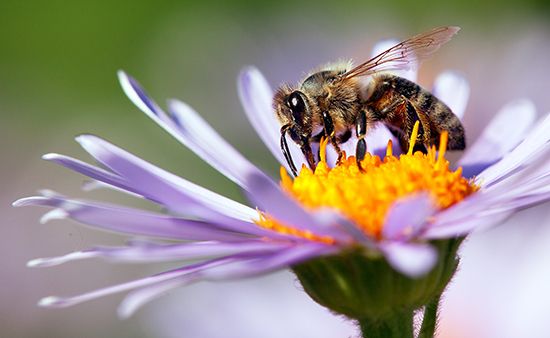
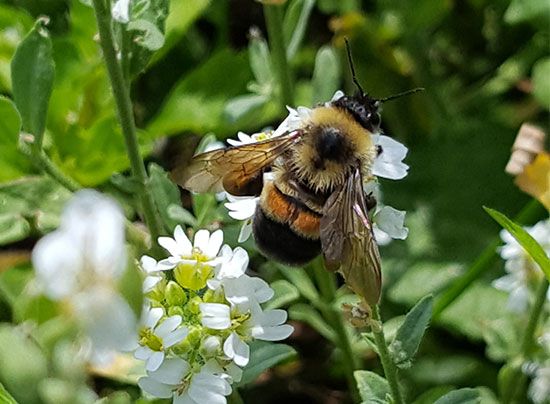
Bees are fascinating and vital creatures, with over 20,000 species worldwide playing a critical role as pollinators for approximately 80 percent of the world’s flowering plants.12
Here are some incredible facts about these insects:
- Complex Communication: Honeybees perform specific dancing movements within the hive to communicate the precise location, distance, and quality of food sources to their colony members.3
- Colony Intelligence: A honeybee colony functions almost like a single organism. They maintain a precise temperature of about 93 °F (34 °C) in the broodnest, using water to air-condition the hive during extreme heat.4
- Chemical Signaling: Bees use scent to recognize colony members and detect danger. A queen bee produces a “queen substance” that inhibits ovary development in workers and prevents the creation of new queen cells as long as she is present.5
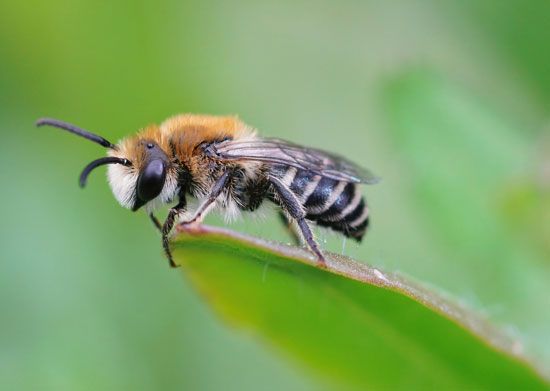
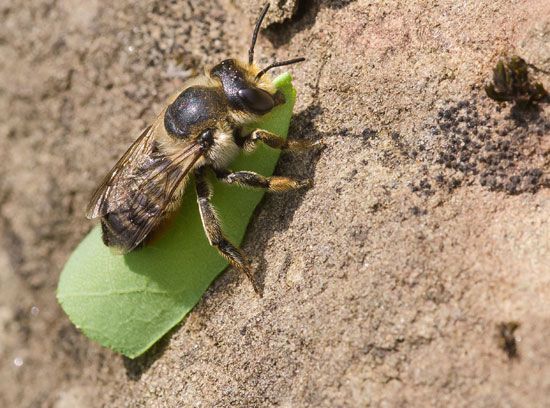
- Diverse Nesting: While some bees are social, many are solitary. Plasterer bees line their nests with a polyester-like substance, while leaf-cutter bees use circular pieces of leaves to protect their young.2
How does the waggle dance communicate food locations?
The waggle dance is a sophisticated form of animal communication used by honeybees to inform their colony about the location of distant food sources. Discovered by the zoologist Karl von Frisch, this behavior consists of a series of figure-eight movements.67
During the dance, the bee performs a straight “walk” while waggling her abdomen and fluttering her wings, followed by a loop to return to the start. This rhythmic movement conveys two critical pieces of information:7
- Direction: Bees use the Sun as a compass, orienting their dance relative to the sun’s position to indicate the direction of the nectar source. They can even maintain this orientation when the sun is obscured by remembering patterns of polarized light.6
- Distance: The duration and intensity of the waggle portion of the dance correlate with the distance to the food. While a “round dance” is used for food within 75 meters, the waggle dance is reserved for sources located at greater distances.6
What is the difference between a queen, worker, and drone bee?
A honeybee colony is a highly organized society composed of three distinct forms, or castes, each with specific roles and biological characteristics.89
The Queen Bee
The queen is a fertile female and the only member of the colony capable of laying eggs, often producing over a thousand per day. She is larger than the workers and possesses a stinger. Her development is unique; while all larvae are initially fed royal jelly, only those destined to be queens are fed this substance exclusively throughout their development. A queen can live up to five years and stores sperm in a spermatheca to fertilize eggs throughout her life.8910
Worker Bees
Workers are sexually undeveloped females that make up the vast majority of the colony, typically numbering between 10,000 and 65,000. They perform all essential labor, including:89
- Collecting nectar and pollen to feed the colony.8
- Producing beeswax to build the honeycomb beeswax to build the honeycomb.8
- Regulating the hive’s temperature and protecting the colony with their stingers.89
Drones
Drones are the male members of the colony and are larger than workers. They are stingless and have only one primary purpose: to mate with a queen. Drones are typically present only during the spring and summer; when resources become scarce or the season changes, they are driven from the hive.93
What is colony collapse disorder and why is it dangerous?
Colony collapse disorder (CCD) is a mysterious phenomenon affecting western honeybee colonies, characterized by the sudden disappearance of adult worker bees from the hive. While the queen, immature bees, and food stores often remain, the adult bees fail to return from foraging, likely due to a disruption in their ability to navigate.111213
The danger of CCD lies in its significant threat to agriculture and ecosystems. Honeybees are vital pollinators for many fruits and vegetables, such as blueberries and cherries, which rely on them for up to 90 percent of their pollination. A widespread loss of bees would:14
- Reduce food diversity: The availability of fresh, insect-pollinated produce would decline substantially, negatively impacting human nutrition.14
- Disrupt ecosystems: Many plants rely on specific bees for reproduction; their decline could trigger further extinctions among dependent organisms and alter food webs.14
- Create economic strain: In the U.S. alone, honeybees pollinate an estimated $15 billion worth of crops annually.12
While the exact cause remains unknown, researchers suspect a combination of stressors, including pathogens, pesticides, and environmental factors.1112
Sources
- Why are bees important? — Encyclopædia Britannica
- Beekeeping - Honeybees — Encyclopædia Britannica
- honeybee — Encyclopædia Britannica
- 8 Buzzworthy Types of Bees — Encyclopædia Britannica
- Hymenoptera - Chemical — Encyclopædia Britannica
- waggle dance — Merriam-Webster
- Karl von Frisch — Encyclopædia Britannica
- western honeybee - Colony and life cycle — Encyclopædia Britannica
- Beekeeping - Drones — Encyclopædia Britannica
- Beekeeping - Queen bee — Encyclopædia Britannica
- colony collapse disorder — Encyclopædia Britannica
- What Would Happen If All the Bees Died? — Encyclopædia Britannica
- colony collapse disorder — Merriam-Webster
- Beekeeping - Colony collapse disorder — Encyclopædia Britannica
Published on · 3 min read