Whelk
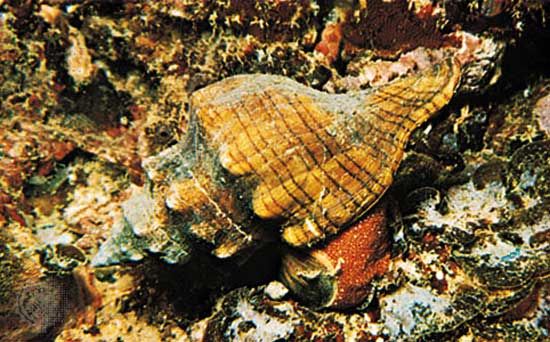
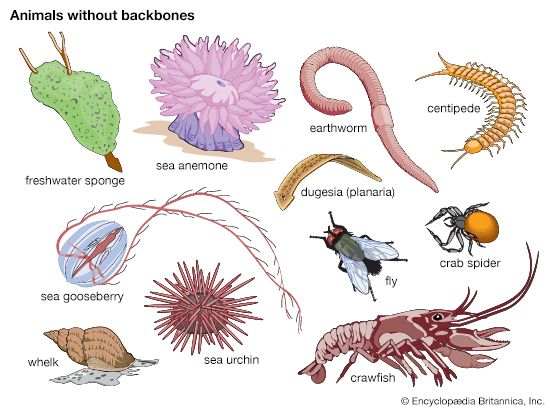
A whelk is a marine snail belonging to the family Buccinidae, within the class Gastropoda. These mollusks are characterized by their sturdy, elongated…
What is whelk?
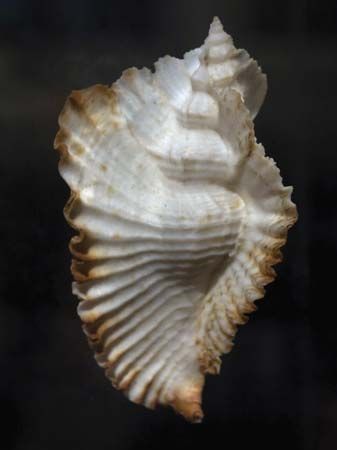
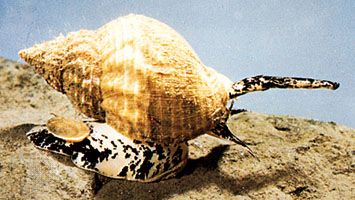
A whelk is a marine snail belonging to the family Buccinidae, within the class Gastropoda. These mollusks are characterized by their sturdy, elongated shells, which typically feature a wide aperture in the first whorl.1
Whelks are found in oceans worldwide, though they are most abundant in cold-water environments. As predators, they use a long proboscis to feed on other mollusks, and some species are known to prey on fish and crustaceans caught in commercial traps. The common northern whelk (Buccinum undatum), which is frequently consumed as food in Europe, is a well-known example of the group.12
It is important to note that the term is sometimes applied broadly to various marine snails with similar shells, though some are incorrectly identified as conchs or murex species. Other varieties include the red whelk and the dog whelk, the latter of which includes members of the genus Thais that feed primarily on other mollusks.134
How do whelks use their proboscis to feed?
Whelks are carnivorous marine snails that utilize a specialized, elongated organ called a proboscis to capture and consume their prey. This organ is capable of significant extension, allowing the snail to reach and feed on soft tissues.16
The specific feeding strategy depends on the species and the type of prey:
- Direct Consumption: Many whelks use their proboscis to access the soft parts of other mollusks. For example, some snails wait for their prey to open their shells, then quickly thrust their proboscis inside to feed.7
- Boring and Chemical Assistance: Certain predatory snails support their feeding by using a file-like structure called a radula to scrape or bore into the shells of prey, such as clams. This process is often aided by chemical secretions, such as sulfuric acid, which are produced by a gland located on the proboscis to help dissolve the shell.7
- General Predation: In addition to mollusks, some whelks use their proboscis to kill fish and crustaceans, often targeting those already caught in commercial traps.1
What is the difference between a whelk and a conch?
While the terms are sometimes used interchangeably in casual conversation, whelks and conchs are distinct marine snails with different biological classifications and ecological roles.
Biological and Ecological Differences
- Classification: True whelks belong to the family Buccinidae, whereas true conchs belong to the family Strombidae.19
- Diet: Whelks are primarily predators that use a long proboscis to feed on other mollusks, crustaceans, and fish. In contrast, true conchs are herbivores that feed on fine plant matter.19
- Habitat: Whelks are most abundant in cold-water environments worldwide. True conchs are typically found in warm, tropical waters.19
- Shell Morphology: The shell of a buccinid whelk is generally sturdy and elongated with a wide aperture. A true conch shell is characterized by an outer whorl that is broadly triangular with a wide lip that often juts toward the apex.19
It is important to note that some species, such as those in the family Melongenidae (like the genus Busycon), are sometimes referred to as both conchs and whelks, which contributes to the common confusion between the two groups.19
How do marine snails like whelks protect themselves from predators?
Marine snails, including whelks, employ several effective strategies to protect themselves from predators:
- Physical Barriers: The primary defense for many snails is their hard, protective shell. When threatened, they can withdraw their soft bodies entirely inside this structure. To further secure the opening, they use a hardened plate called an operculum on their foot, which acts like a trapdoor to block access to the interior.1011
- Burrowing: Many gastropods, including some whelks, seek safety by burrowing into sand or mud, which helps them hide from potential attackers.1012
- Chemical Defenses: Some snails secrete noxious chemicals or distasteful acids from their mantle cells or salivary glands to deter predators. Others produce slippery mucus from mantle extensions to evade capture by larger predators like sea stars.10
- Camouflage: Many gastropods utilize camouflage or frightening coloration to blend into their surroundings or confuse predators, making them less visible or less appealing targets.10
Sources
- whelk — Encyclopædia Britannica
- whelk — Merriam-Webster
- red whelk — Merriam-Webster
- sea snail — Merriam-Webster
- dog whelk — Merriam-Webster
- Feeding behaviour - Types of food procurement — Encyclopædia Britannica
- bivalve - Food and feeding — Encyclopædia Britannica
- gastropod - The head — Encyclopædia Britannica
- conch — Encyclopædia Britannica
- mollusk - Features of defense — Encyclopædia Britannica
- bivalve - Features of defense and aggression — Encyclopædia Britannica
- gastropod - Ecology and habitats — Encyclopædia Britannica
- malacostracan - Defense and aggression — Encyclopædia Britannica
- Avoidance behaviour - Protection reflexes, armour, and spines — Encyclopædia Britannica
Published on · 3 min read