Why Are Fish High in Mercury?
Fish accumulate high levels of mercury primarily through a process called bioaccumulation. Mercury enters aquatic environments from natural sources, such as…
Why are fish high in mercury?
Fish accumulate high levels of mercury primarily through a process called bioaccumulation. Mercury enters aquatic environments from natural sources, such as volcanic eruptions, and human activities, including mining and industrial manufacturing.1
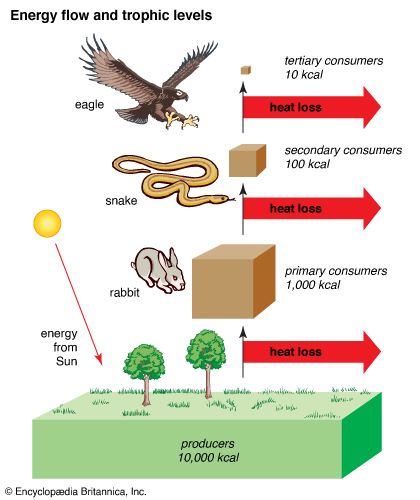
Once in the water, bacteria convert mercury into methylmercury, a highly toxic form that is easily absorbed by living organisms. This substance is consumed by phytoplankton and zooplankton at the base of the food chain. As smaller organisms are eaten by predators, and those predators are in turn consumed by larger fish, the concentration of methylmercury increases significantly in the tissues of larger, predatory species.12
Industrial pollution has historically exacerbated this issue, as seen in the tragic Minamata disease outbreak, where factory discharge led to severe health consequences for those consuming contaminated seafood1. Protecting aquatic ecosystems from such contamination is a vital ethical responsibility to ensure public safety and environmental health.2
What is the difference between bioaccumulation and biomagnification?
While bioaccumulation and biomagnification are both processes involving the buildup of contaminants, they differ in their scope and mechanism.
Bioaccumulation refers to the accumulation of a substance, such as a heavy metal or pesticide, within a single organism over time. It describes the net result of all exposure pathways, including respiratory absorption, direct physical contact, and dietary intake, as the concentration of a contaminant increases within an individual’s tissues relative to its environment.34
Biomagnification (also called bioamplification) is an ecosystem-level process. It refers specifically to the progressive increase in the concentration of foodborne contaminants as they are transferred through successive trophic levels in a food web. In this process, each predator contains a higher concentration of the pollutant than the prey it consumed.45
In short, bioaccumulation focuses on the buildup within an individual organism, whereas biomagnification describes the increasing concentration of a substance as it moves up the food chain.4
Which types of fish are generally considered safest to eat?
Based on the process of bioaccumulation described in the provided information, mercury levels are highest in large, predatory fish because they consume smaller organisms that have already absorbed methylmercury from the environment.1
Consequently, fish that are lower on the food chain are generally considered safer to eat because they have had less opportunity to accumulate high concentrations of mercury in their tissues. While the provided text does not list specific species, the principle of bioaccumulation indicates that smaller, non-predatory fish are typically lower in mercury than larger, long-lived predatory species.1
It is an ethical imperative to prioritize food safety by being informed about the sources and potential contaminants in our diet to protect human health.1
How does Minamata disease affect the human nervous system?
Minamata disease is a severe form of mercury poisoning caused by the ingestion of organic mercury compounds, specifically methylmercury, which accumulate in fish and shellfish. Because these compounds are alkyl salts, they are capable of penetrating brain cells and causing significant lesions within the central nervous system.6127
The neurological impact of the disease is progressive and debilitating, often manifesting through the following symptoms:
- Motor and Sensory Impairment: Victims experience progressive muscle weakness, tremors, and a loss of coordination.17
- Cognitive and Sensory Decline: The disease leads to impairment of cerebral functions, loss of vision, and hearing loss.12
- Severe Neurological Progression: In advanced stages, the damage can result in paralysis, coma, and death.12
Additionally, when exposure occurs during pregnancy, the mercury can cause severe birth defects and mental retardation in children. The recognition of this disease as a consequence of industrial pollution was a landmark event in the history of the environmental movement.62
Sources
- Why are fish high in mercury? — Encyclopædia Britannica
- mercury poisoning — Encyclopædia Britannica
- biomagnification — Merriam-Webster
- bioaccumulation — Merriam-Webster
- Bioaccumulation - Effects of bioaccumulation: Examples from history — Encyclopædia Britannica
- Minamata disease — Encyclopædia Britannica
- Minamata — Encyclopædia Britannica
- Zinc group element - Toxicity of the elements — Encyclopædia Britannica
Published on · 3 min read