Why Is It Called the Persian Gulf?
The Persian Gulf is named for Persia—the historic region corresponding to modern Iran—because its northern coastline was historically dominated by the…
Why Is It Called the Persian Gulf?
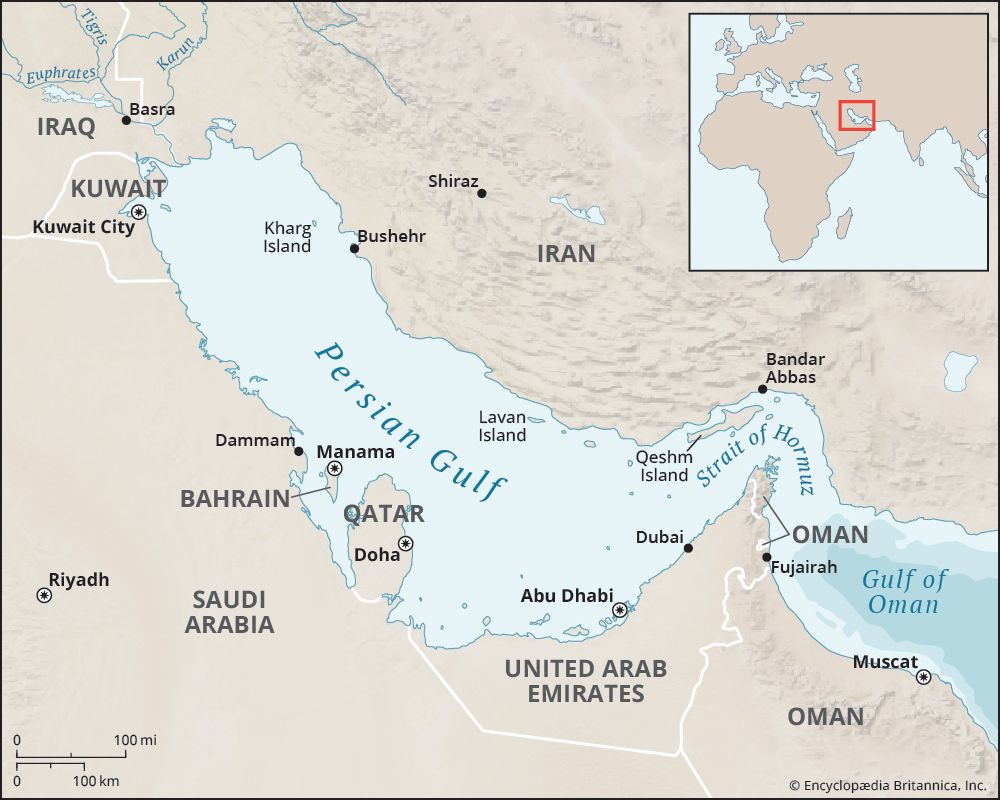
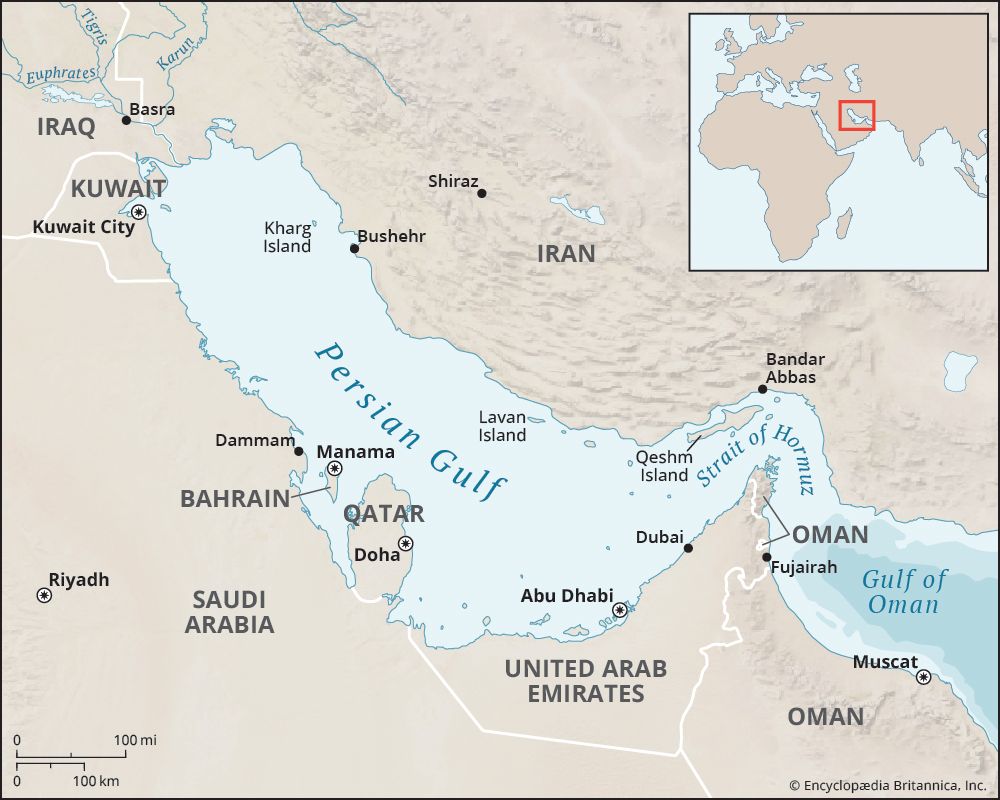
The Persian Gulf is named for Persia—the historic region corresponding to modern Iran—because its northern coastline was historically dominated by the powerful Achaemenian Empire. Ancient geographers, beginning with Hecataeus of Miletus in the 5th century BCE, consistently identified the body of water by its northern shore due to the empire’s prominence in international trade and diplomacy.1
While the southern coast was home to early civilizations like Dilmun, it received less attention from ancient cartographers due to its sparse urban settlement. Even after the rise of Islam in the 7th century CE, when Arab tribes dominated maritime activity, historical maps and texts continued to use the term “Persian Gulf”.1
In the mid-20th century, as oil production increased, regional geopolitical tensions led some Arab leaders to promote the name “Arabian Gulf” to challenge Iranian influence. While this alternative is used in some contexts, “Persian Gulf” remains the standard international designation.12
What was the Achaemenian Empire’s role in the region?
The Achaemenian Empire (559–330 BCE) served as a foundational power in the Middle East, establishing the largest empire the world had yet seen by uniting diverse territories from Egypt to the Indus River. Its role in the region was defined by several key contributions:56
- Governance and Administration: To manage its vast territory, the empire developed a sophisticated system of provinces called satrapies, governed by satraps who held civil and military authority. This administrative framework provided a model for later empires, including those of Alexander the Great and his successors.78
- Economic Development: The Achaemenids actively promoted commerce by investing in infrastructure, such as the Persian Royal Road, and developing irrigation to support agriculture. They also standardized weights and measures and coinage to facilitate trade across their realm.6
- Cultural and Religious Policy: The empire was noted for its “creative tolerance,” allowing conquered peoples to maintain their own religions and internal affairs as long as they fulfilled their obligations. This policy, famously initiated by Cyrus the Great, marked a departure from the destructive practices of earlier regional powers.769
- Maritime Influence: The empire prioritized port development on the Persian Gulf and sponsored voyages of exploration to secure new markets and resources, linking the eastern and western ends of the empire through integrated land and sea routes.6
What was the significance of the ancient kingdom of Dilmun?
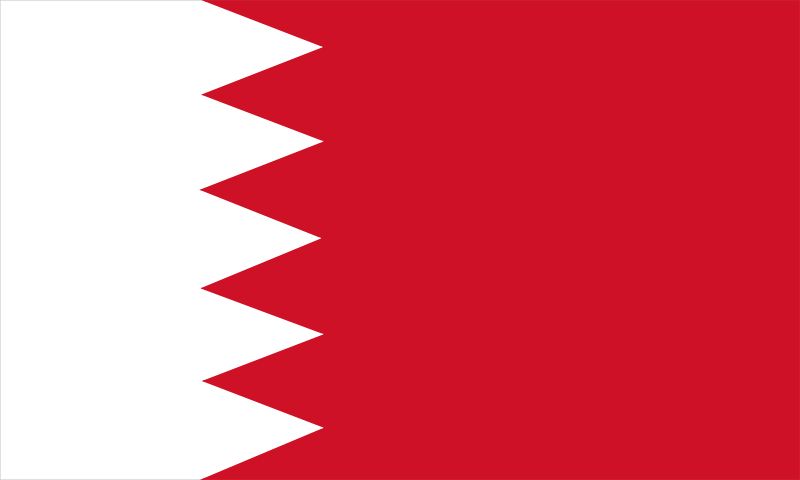
The ancient kingdom of Dilmun, centered on Bahrain Island, was a vital commercial hub that flourished around 2000 BCE. Its significance primarily stemmed from its role as a strategic transshipment point for trade between Sumer and the Indus Valley.10
Key aspects of Dilmun’s importance include:
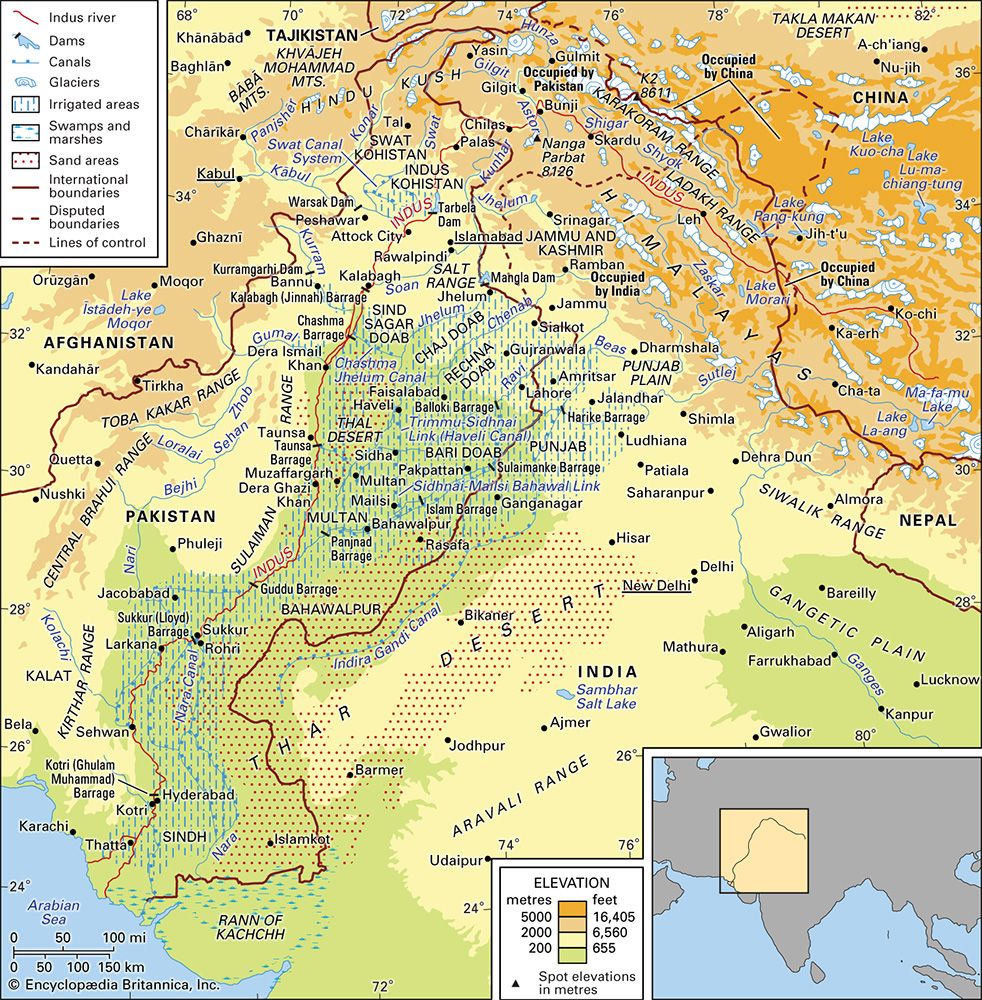
- Economic Entrepôt: By the Isin-Larsa period (c. 2000–1794 BCE), Dilmun served as the primary intermediary for trade between Mesopotamian and Meluhhan (Indus) merchants. Goods such as copper, pearls, precious stones, and dates were exchanged for silver, textiles, and grains.111210
- Archaeological Prominence: The site of Qal‘at al-Bahrain, a UNESCO World Heritage site, reveals a sophisticated urban center with city walls and artifacts like Indus-style chert weights and distinctive stamp seals, confirming its deep integration into ancient international trade networks.1013
- Cultural Legacy: The island’s prominence is further evidenced by thousands of burial mounds and the Bārbār temple, which highlight the kingdom’s religious and social complexity.10
How did the discovery of oil change the region’s history?
The discovery of oil in the 20th century fundamentally transformed the Persian Gulf region, shifting it from a collection of modest maritime and pearling societies into high-income states integrated into the global economy.1516
Economic and Social Transformation
Commercial production began in Bahrain in 1932 and Saudi Arabia in 1938, followed by other regional states. These hydrocarbon revenues enabled governments to function as “rentier states,” where income from exports replaced domestic taxation, allowing for the creation of expansive welfare systems, massive infrastructure projects, and state-of-the-art urban centers. This wealth also fueled rapid urbanization, turning small port towns into major metropolitan hubs like Dubai and Doha.15171
Strategic and Political Impact
The region’s control over a significant share of the world’s oil and natural gas reserves granted it immense strategic importance to industrialized nations. This significance has been a double-edged sword:1617
- Conflict: Competition for control over these resources and territorial limits has contributed to major regional conflicts, including the Iran-Iraq War and the Persian Gulf War.1618
- Global Influence: The use of oil as a political tool, such as the Arab oil embargo of 1973, demonstrated the region’s capacity to influence global economic and political stability.18
Today, while these states remain central to global energy markets, they are actively pursuing economic diversification to reduce their long-term dependence on hydrocarbons.1517
Sources
- Why Is It Called the Persian Gulf? — Encyclopædia Britannica
- Persian Gulf — Merriam-Webster
- Persian Gulf oxide — Merriam-Webster
- Persian Gulf - Study and exploration — Encyclopædia Britannica
- Achaemenid Empire — Encyclopædia Britannica
- ancient Middle East - The Achaemenian Empire and its successors — Encyclopædia Britannica
- Achaemenid Empire: Top Questions — Encyclopædia Britannica
- Greco-Persian Wars - Establishment and expansion of the Achaemenian Empire (559–500 bce ) — Encyclopædia Britannica
- Achaemenid Empire - Economy — Encyclopædia Britannica
- Dilmun — Encyclopædia Britannica
- Indus civilization - Trade and external contacts — Encyclopædia Britannica
- India - Trade and external contacts — Encyclopædia Britannica
- list of World Heritage sites - Bahrain — Encyclopædia Britannica
- Mesopotamian religion - The Mesopotamian worldview as expressed in myth — Encyclopædia Britannica
- Gulf Arab States — Encyclopædia Britannica
- Persian Gulf - Biological and mineral resources — Encyclopædia Britannica
- Arabia - Economy of Arabia — Encyclopædia Britannica
- oil crisis — Encyclopædia Britannica
- Gulf Arab States: Top Questions — Encyclopædia Britannica
- petroleum - Iraq , Kuwait , and Iran — Encyclopædia Britannica
- history of Arabia - Postwar Arabia, to 1962 — Encyclopædia Britannica
Published on · 4 min read