Wolffish
The provided search results do not contain information regarding the conservation status or specific protection efforts for the wolffish. The information…
Are wolffish considered endangered, and what conservation efforts are in place to protect them?
The provided search results do not contain information regarding the conservation status or specific protection efforts for the wolffish. The information provided focuses on the biological characteristics of the wolffish family and the separate, distinct history of the gray wolf.
How did wolffish get their name, and are there different species of wolffish?
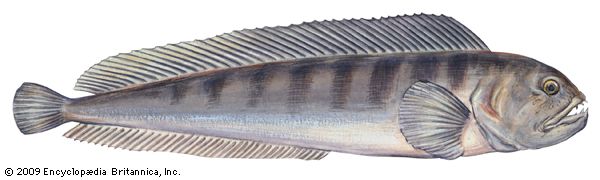
The name “wolffish” is derived from the fish’s formidable set of teeth, which includes large canines and heavy molars. These powerful jaws allow them to feed on hard-shelled prey such as crabs, sea urchins, and starfishes.13
There are five species of these large, long-bodied fishes belonging to the family Anarhichadidae. Notable examples include:1
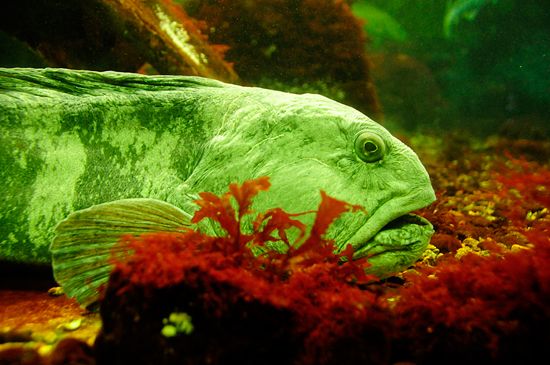
- Atlantic wolffish (Anarhichas lupus): A North Atlantic species characterized by vertical bands.1
- Spotted wolffish (A. minor): Also found in the North Atlantic and sometimes referred to as the spotted catfish.1
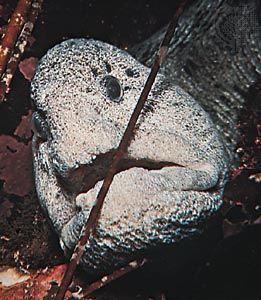
- Wolf-eel (Anarhichthys ocellatus): A black-spotted form native to the eastern Pacific.1
These fish are found in cold northern waters, ranging from the shoreline to depths of 300 meters or more. In some regions, including Europe, they are also commonly known as catfishes.13
How are wolffish important to marine ecosystems and human activities?
Wolffish play a vital role in maintaining the health of marine ecosystems by serving as key predators of sea urchins. By keeping sea urchin populations in check, they prevent these organisms from overpopulating and decimating local habitats.1
Regarding human activities, wolffish are harvested for food in both the United States and Europe, where they are sometimes referred to as catfishes. However, their populations have faced significant declines, largely because they are frequently caught as bycatch in commercial fishing operations.51
What role do wolffish play in human cuisine, and are there any concerns about consuming them?
Wolffish are valued in human cuisine, particularly in Europe and the United States, where they are often marketed under the name “catfish.” Their firm, white, and lean flesh is considered a delicacy in many culinary traditions, often prepared by baking, broiling, or frying.1
While they are a source of protein, there are important considerations regarding their consumption. Because wolffish are slow-growing and have low reproductive rates, they are highly vulnerable to overfishing. Furthermore, they are frequently caught as bycatch in commercial fisheries targeting other species, which has led to significant population declines in certain regions. Ethical consumption of wolffish requires awareness of these sustainability challenges, as many conservationists advocate for avoiding species that are not harvested through regulated, sustainable practices to ensure the long-term health of marine populations.
Sources
- wolffish — Encyclopædia Britannica
- wolf - Gray wolf — Encyclopædia Britannica
- wolffish — Merriam-Webster
- caddisfly - Annotated classification — Encyclopædia Britannica
- 9 Fish Named After Other Animals — Encyclopædia Britannica
Published on · 2 min read