9 Fish Named After Other Animals
Many fish species have been named after terrestrial animals due to their physical similarities or behavioral traits. Here are nine examples of fish named…
What are 9 Fish Named After Other Animals?
Many fish species have been named after terrestrial animals due to their physical similarities or behavioral traits. Here are nine examples of fish named after other creatures:1
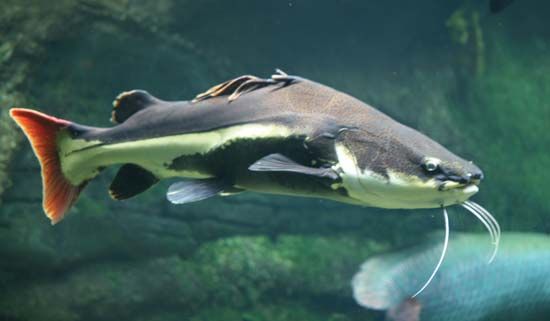
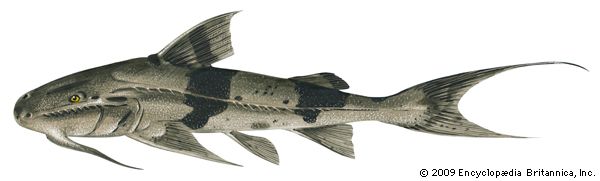
- Catfish: Named for their sleek, agile nature and, in some cases, barbels that resemble whiskers.
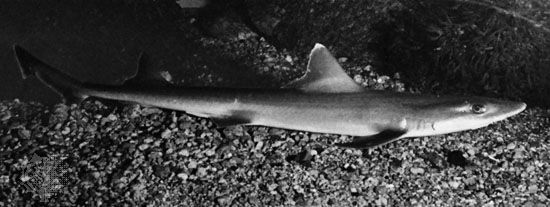
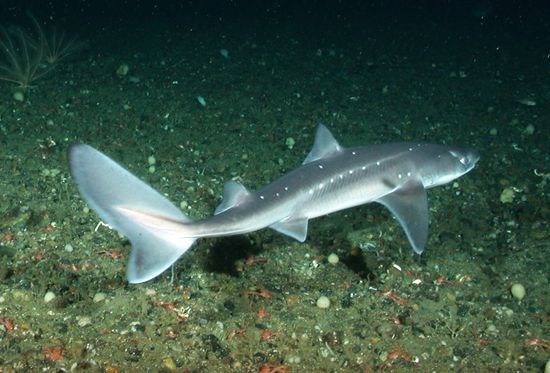
- Dogfish: A group of small sharks that earned their name from their tendency to hunt in packs.12
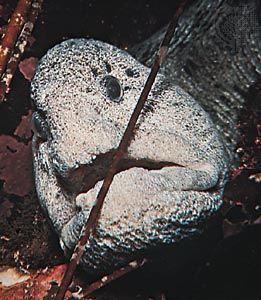
- Wolffish: Known for their ferocity and powerful jaws, which they use to crush sea urchins.1
- Frogfish: These fish have an “uncouth” appearance and often use aggressive mimicry to blend into their surroundings like a rock or blob of seaweed.1
- Butterflyfish: Named for their shimmering, colorful appearance as they flit about coral reefs.1
- Snakehead: Named for their prehistoric, snake-like head and their ability to travel over land.1
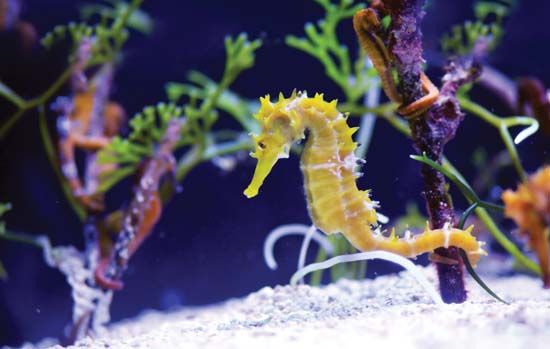
- Seahorse: Named for their distinct equine-like head shape, with a genus name (Hippocampus) derived from Greek mythology.1
- Lionfish: Named for their ornate, plume-like fins that resemble a lion’s mane.1
- Batfish: These bottom-dwellers use their fins to “walk” along the seafloor.1
How do parrotfish help maintain coral reef health?
Parrotfish play a vital role in maintaining the health of coral reefs through their unique feeding habits. Using a characteristic birdlike beak formed by fused teeth, these fish scrape algae and soft coral tissue from the reef surface.3
By grazing on algae, parrotfish prevent it from overgrowing and smothering the coral, which is essential for the survival and growth of the reef ecosystem. As they feed, they also ingest bits of coral, which they grind down using specialized platelike teeth in their throats. This process helps clear space for new coral growth and contributes to the overall balance of the reef environment.3
What unique physical features make a shark look like a cat?
The premise that a shark looks like a cat is inaccurate; rather, certain small sharks are referred to as cat sharks because of specific physical traits that resemble those of a feline.
These sharks, which belong to the order Carcharhiniformes, are characterized by two primary features that contribute to their name:
- Slender bodies: They possess a thin, elongated build.2
- Elongate eyes: Their eyes are shaped in a way that gives them a catlike appearance.2
Additionally, many species within this group are noted for having bold, mottled body markings. These small sharks, most of which are less than 90 cm (3 feet) long, are generally bottom-dwelling and are not known to be aggressive toward humans.26
Why do some fish, like the toadfish, produce grunting sounds?
Toadfish produce grunting or croaking sounds primarily through the use of their swim bladder, a gas-filled organ typically used for buoyancy12. By vibrating muscles attached to this organ, they create audible pulses that resonate within the bladder.1011
While the specific biological purpose for every species is not always fully understood, sound production in many fish is closely linked to reproductive behaviors, such as attracting mates or signaling during the spawning season. In environments where visibility may be limited, these acoustic signals serve as a vital communication link between individuals.1213
It is important to distinguish these fish from amphibians like toads, which produce sound using a vocal sac to resonate vibrations created by air passing over vocal cords. Unlike the toadfish, which uses its swim bladder mechanism, frogs and toads cycle air between their lungs and mouth to broadcast their calls.1
Sources
- toadfish — Encyclopædia Britannica
- cat shark — Encyclopædia Britannica
- parrot fish — Encyclopædia Britannica
- 9 Fish Named After Other Animals — Encyclopædia Britannica
- dogfish — Encyclopædia Britannica
- cat shark — Merriam-Webster
- shark: Top Questions — Encyclopædia Britannica
- Scyliorhinidae — Merriam-Webster
- scyliorhinid — Merriam-Webster
- ostariophysan - Sound — Encyclopædia Britannica
- perciform - Sound production — Encyclopædia Britannica
- toadfish — Merriam-Webster
- vocal sac — Encyclopædia Britannica
Published on · 3 min read