Albizia
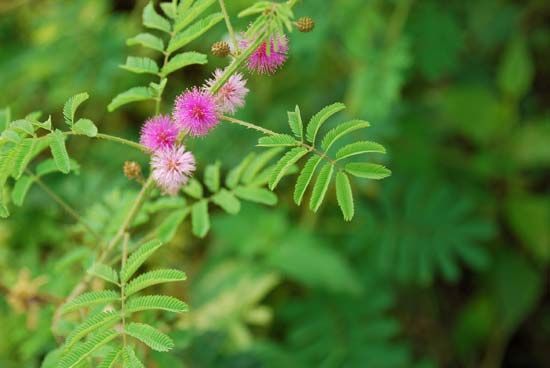
Plants in the genus Albizia are frequently utilized in landscaping as ornamental trees due to their attractive, showy flowers, which feature numerous…
How are Albizia plants used in landscaping or urban forestry?
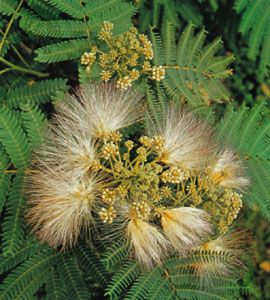
Plants in the genus Albizia are frequently utilized in landscaping as ornamental trees due to their attractive, showy flowers, which feature numerous prominent stamens. Species such as the silk tree (Albizia julibrissin) are particularly popular in garden and urban settings for their broad, spreading crowns and relatively fast growth rates.1
While they are often colloquially called “mimosas”—a name that technically belongs to the related genus Mimosa—these trees and shrubs are valued for their aesthetic contribution to green spaces. Beyond their ornamental use, members of the Fabaceae family, such as the Indian albizia (A. lebbek), are also recognized for their utility in providing timber and fodder, though their primary role in urban forestry remains their decorative appeal.1
Are there any ecological concerns or benefits associated with Albizia plants?
Albizia plants offer both ecological benefits and potential concerns, largely stemming from their classification within the Fabaceae family.
Ecological Benefits
A primary benefit of Albizia species is their role in soil enrichment. As members of the pea family, they are often associated with symbiotic nitrogen-fixing bacteria. These microorganisms form root nodules that convert atmospheric nitrogen into forms usable by plants, which can improve soil fertility and support the growth of surrounding vegetation.12
Ecological Concerns
While they are valued for their rapid growth and ornamental appeal, the very traits that make them successful—such as their fast-growing nature and ability to thrive in various environments—can sometimes lead to issues. In many regions outside their native range, fast-growing, non-native species can become invasive, potentially outcompeting local flora for resources. Furthermore, because they are often short-lived, they may require more frequent management or replacement in urban forestry programs compared to slower-growing, long-lived native trees.1
How fast do Albizia trees typically grow, and what is their average lifespan?
Albizia trees and shrubs are characterized by their rapid growth rates and relatively short lifespans. While specific growth rates can vary depending on the species and environmental conditions, their tendency to grow quickly is a defining trait of the genus.1
Because they are generally considered short-lived, these plants often reach maturity and complete their life cycles more rapidly than many other tree species. For example, the silk tree (Albizia julibrissin) typically grows to a height of about 9 meters (30 feet), while the Indian albizia (A. lebbek) can reach heights of approximately 24 meters.1
Where are Albizia species primarily found in the world?
The genus Albizia is pantropical, meaning its species are distributed throughout the tropical regions of the world. While they are found across these warm climates, the majority of Albizia species are native to the warm regions of the Old World.1
Specific examples of their native ranges include:
- Asia and the Middle East: The silk tree (Albizia julibrissin) is native to these regions.1
- Tropical Asia and Australia: The Indian albizia, also known as siris (A. lebbek), is native to these areas.1
These plants are widely utilized globally for timber, fodder, and as ornamental trees due to their attractive flowers.1
Sources
- albizia — Encyclopædia Britannica
- Nitrogen-fixing bacteria — Encyclopædia Britannica
Published on · 2 min read