Stamen
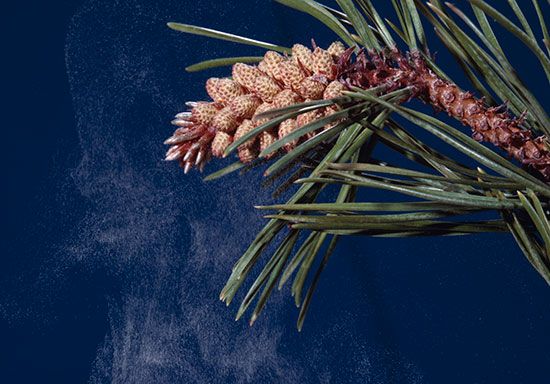
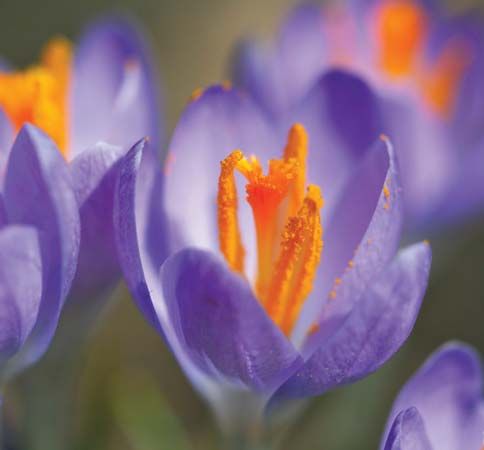
Anther dehiscence is the biological process by which an anther—the part of a stamen that produces and contains pollen—releases its mature pollen grains.
What is anther dehiscence, and why is it important for plant reproduction?
Anther dehiscence is the biological process by which an anther—the part of a stamen that produces and contains pollen—releases its mature pollen grains.1
In most flowering plants, this occurs through a rupture along the side of the pollen sacs, though some species, such as those in the heath family, release pollen through small pores at the tip of the anther.1
This process is vital for pollination and successful plant reproduction. By releasing pollen, the plant makes its genetic material available for transport to the receptive stigma of a flower, either on the same plant or a different individual. In some specialized systems, such as the plunger pollination found in the Asteraceae family, the timing and mechanism of pollen release are precisely coordinated with the growth of the style to ensure that pollen is effectively presented to pollinators or positioned for potential self-pollination.2
How have stamens evolved over time, and what are some examples of unique stamen structures in different plant families?
The evolution of the stamen reflects a transition from simple, leaf-like structures to highly specialized organs designed to facilitate efficient pollination.
Evolutionary Trends
Early angiosperms possessed “least-modified” stamens that resembled leaves, with pollen-producing sacs (microsporangia) located along their margins, as seen in the magnolia family. Over time, these structures evolved into a distinct, slender stalk called the filament, which supports the anther at its apex. This modification allowed for better positioning of pollen to interact with animal pollinators, a key driver in the coevolution of flowering plants and insects.345
Unique Stamen Structures
Stamens have diversified significantly across plant families, often adapting to specific reproductive strategies:
- Fusion and Grouping: In the mallow family, filaments are united to form a tube that encloses the female reproductive parts. Similarly, members of the sunflower family often feature a staminal tube fused to the corolla. In the myrtle family, stamens are frequently clustered into groups called fascicles.34
- Staminodes: Many plants possess sterile, modified stamens known as staminodes. These can be showy and petal-like, as in the cannonball tree, or inconspicuous, as in Penstemon. In some species, these structures have evolved into nectar-secreting organs.34
- Pollen Release: While most plants release pollen through side ruptures, members of the heath family release it through specialized pores at the tip of the anther.3
How does the structure of a stamen relate to its function in pollination?
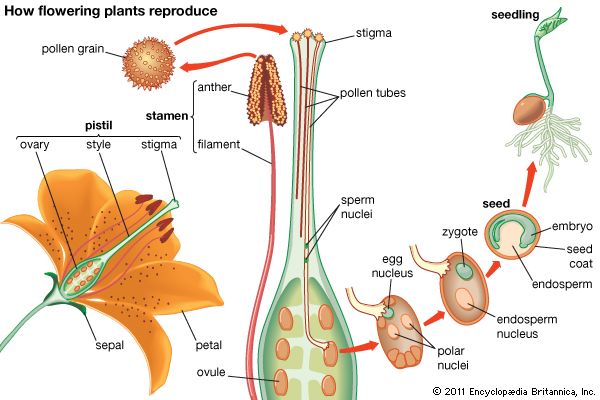
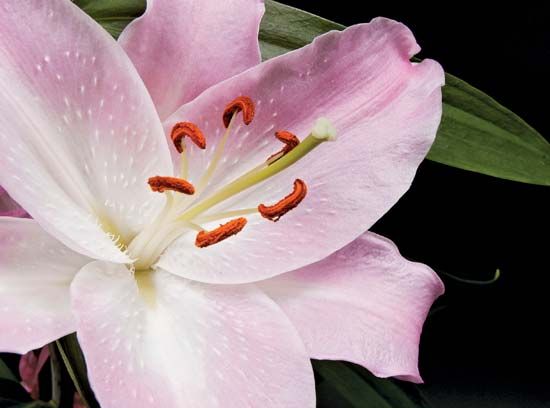
The structure of a stamen is intricately adapted to its primary function: the production, protection, and dispersal of pollen for pollination.33
Structural Components and Function
- Filament: This slender stalk elevates the anther, positioning it to interact effectively with pollinators or to release pollen into the wind. In wind-pollinated species, filaments are often long and flexible, allowing the flowers to shake and release pollen easily in a breeze.4367
- Anther: Serving as the pollen-producing organ, the anther contains microsporangia where pollen develops. The mechanism of anther dehiscence—whether by longitudinal splitting or apical pores—is a specialized adaptation that controls how and when pollen is released to maximize the chances of successful transfer to a receptive stigma.438
- Nectaries: Often located at the base of the stamens, these secretory structures provide food rewards that attract insects and birds, ensuring they visit the flower and inadvertently transport pollen.46
Adaptations for Pollination Strategies
The stamen’s form varies significantly based on the pollination agent:
- Animal Pollination: Flowers often feature stamens that position pollen to adhere to the bodies of visiting animals. Pollen grains in these species are frequently sculptured with hooks or sticky projections to facilitate attachment.8
- Wind Pollination: These plants typically lack showy attractants and instead utilize exposed, pendulous stamens that release large quantities of small, smooth, and dry pollen grains, which are easily carried by air currents.687
How do environmental factors affect stamen development and pollen production?
Environmental factors play a critical role in regulating the transition of plants from vegetative growth to the reproductive phase, which directly dictates the timing of stamen development and pollen production.97
Environmental Regulation of Development
The maturation of reproductive organs is heavily influenced by recurring environmental cycles, primarily light and temperature.97
- Photoperiodism: Many plants use the duration of light and darkness to time their development. Plants are classified as long-day, short-day, or day-neutral based on their specific requirements for flowering. For instance, some species will remain in a vegetative state indefinitely if the daily light duration is not optimal for triggering the reproductive phase.97
- Temperature: Temperature acts as a vital signal for many species. Some biennial and perennial plants require a period of cold exposure—a process known as vernalization—before they can initiate flower and stamen production. Conversely, high temperatures can inhibit flowering in certain families, such as the Brassicaceae.97
Factors Affecting Pollen Production
Once a plant reaches the reproductive stage, internal and external conditions continue to influence the quality and success of pollen production:
- Genetic and Chromosomal Factors: Infertility can occur due to chromosomal imbalances, such as those found in hybrids. These imbalances cause irregularities during meiosis, the process by which microsporocytes divide to form pollen, leading to reduced or non-viable pollen production.9
- Nutritional Status: The overall carbohydrate balance of the plant, influenced by light duration and intensity, is essential for supporting the energy-intensive process of flower and pollen development.97
- Hormonal Control: In some plants, such as ferns, the production of reproductive structures is under specific hormonal control, demonstrating that chemical signals are as vital as physical environmental cues.9
Sources
- Anther — Encyclopædia Britannica
- Asteraceae - Pollination — Encyclopædia Britannica
- Stamen — Encyclopædia Britannica
- Angiosperm - The androecium — Encyclopædia Britannica
- Angiosperm - Paleobotany and evolution — Encyclopædia Britannica
- Angiosperm - Pollination — Encyclopædia Britannica
- Angiosperm - Anthers — Encyclopædia Britannica
- Pollination - Wind — Encyclopædia Britannica
- Plant reproductive system - Physiology of plant reproduction — Encyclopædia Britannica
- Plant development - Environmental control of development — Encyclopædia Britannica
Published on · 4 min read