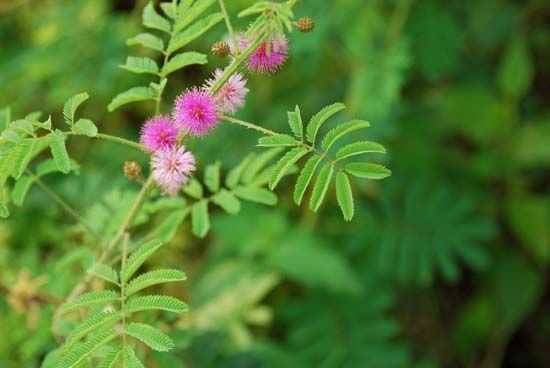
Mimosa
It is a common misconception to refer to various species of the genus Acacia as mimosas; however, true mimosa plants belong to a distinct genus within the…
How are mimosa plants used in horticulture and landscaping?
It is a common misconception to refer to various species of the genus Acacia as mimosas; however, true mimosa plants belong to a distinct genus within the Fabaceae family1.
In horticulture and landscaping, Mimosa species are utilized primarily for their unique biological traits and aesthetic appeal:
- Novelty Plants: The sensitive plant (Mimosa pudica) is frequently cultivated in greenhouses as a curiosity due to its ability to perform rapid leaf movements when touched.1
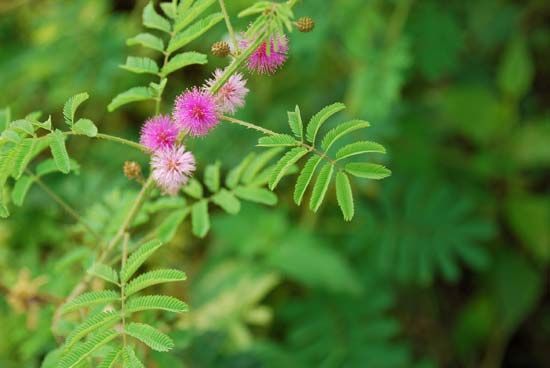
- Ornamental Foliage: Various other species are grown specifically for the beauty of their bipinnate, feather-formed foliage.1
While these plants are valued for their responsiveness and appearance, it is important to note that many species are prickly, and some possess roots that are poisonous or contain substances that can cause skin irritation.1
What are some common species of mimosa, and how do they differ?
While the term “mimosa” is often used colloquially to refer to various plants, true members of the genus Mimosa are distinct from other plants like the Albizia julibrissin (often called the silk tree) or various Acacia species, which are frequently misidentified as mimosas.123
Common species and their characteristics include:
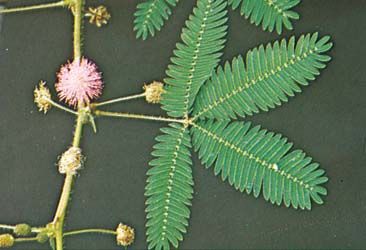
- Mimosa pudica: Widely known as the sensitive plant or humble plant, this species is cultivated as a novelty for its rapid leaf movements. When touched, its leaves fold inward, a response that mimics animal sensibility.12
- Albizia julibrissin: Frequently referred to as the mimosa or silk tree, this is a popular ornamental in the southern United States. Unlike the Mimosa pudica, its primary movement is nyctinastic; it folds its leaves together at dusk to reduce surface exposure to the atmosphere.23
These plants differ significantly in their movement mechanisms and growth habits. While Mimosa species are generally herbs, undershrubs, or woody climbers, the silk tree is a tree. Both rely on changes in water pressure within specialized structures at the base of their leaves to facilitate movement.123
How do mimosa plants respond to touch, and why do they exhibit this behavior?
The sensitive plant (Mimosa pudica) responds to touch by rapidly closing its leaves and drooping. This movement is triggered by the sudden release of water from specialized cells located at the bases of the leaf and leaflet stalks.4
This process relies on turgor, the internal fluid pressure that keeps plant tissues rigid. When the plant is stimulated, the loss of this water pressure causes the leaves to collapse. The leaves typically reopen after several minutes.451
Scientists believe this behavior serves as a defense mechanism against browsing herbivores. The sudden, unexpected movement of the foliage may startle animals, potentially deterring them from consuming the plant. In addition to this tactile response, the plant also exhibits nyctinastic movement, where leaves droop in response to darkness and reopen with the arrival of daylight.43
What are the defining characteristics of mimosa plants?
The genus Mimosa consists of a large group of plants within the pea family (Fabaceae), primarily native to tropical and subtropical regions1. While the name is often colloquially applied to other plants like the silk tree (Albizia julibrissin) or various acacias, true Mimosa species possess distinct characteristics.16
Physical Characteristics
- Growth Habit: Most species are herbs or undershrubs, though some are woody climbers or small trees. Many are notably prickly.1
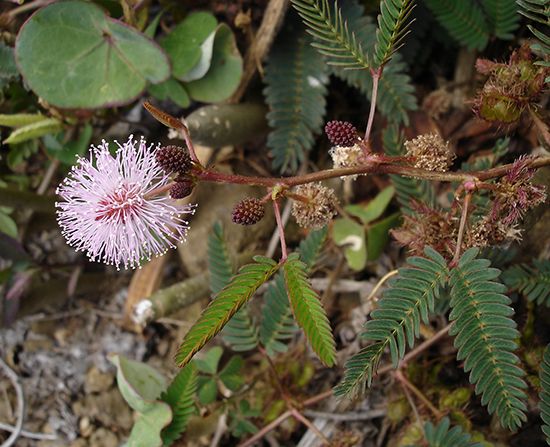
- Foliage: The leaves are typically bipinnate, meaning the leaflets are further divided into smaller leaflets, often giving them a feathery or fernlike appearance.13
- Flowers and Fruit: They produce small, regular flowers and develop legume fruits.1
- Chemical Properties: Some species contain substances that are poisonous or irritating to the skin.1
Notable Behaviors
The genus is famous for its “sensitive” species, such as the sensitive plant (Mimosa pudica), which exhibits rapid leaf movement in response to physical touch. Additionally, some species display nyctinastic movement, where leaves droop or fold in response to darkness to reduce surface exposure to the atmosphere.13
Sources
- mimosa — Encyclopædia Britannica
- Fabaceae - Mimoseae — Encyclopædia Britannica
- Fabales - Mimoseae — Encyclopædia Britannica
- sensitive plant — Encyclopædia Britannica
- Turgor — Encyclopædia Britannica
- Fabales - Faboideae — Encyclopædia Britannica
- albizia — Encyclopædia Britannica
Published on · 3 min read