Amund Ringnes
Amund Ringnes is an island located within the Sverdrup Islands in the territory of Nunavut, Canada. Situated in the Arctic Ocean between Axel Heiberg and…
What is Amund Ringnes?
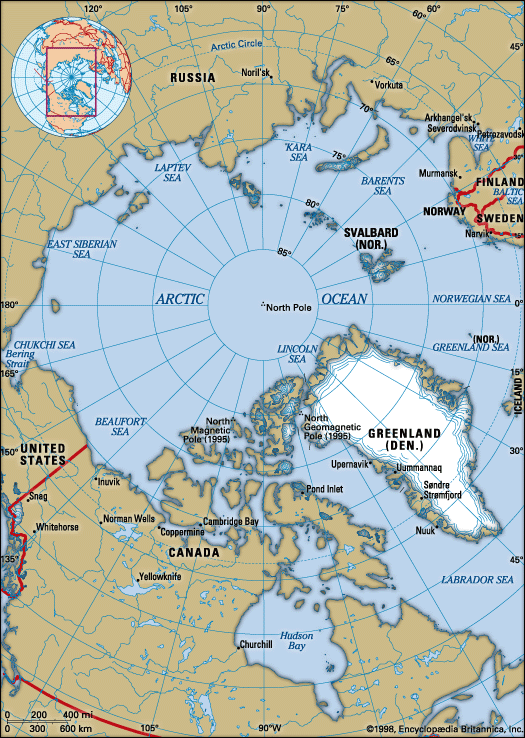
Amund Ringnes is an island located within the Sverdrup Islands in the territory of Nunavut, Canada. Situated in the Arctic Ocean between Axel Heiberg and Ellef Ringnes islands, it spans approximately 2,029 square miles (5,255 square km).1
The island is characterized by its relatively flat terrain, with its highest elevation reaching about 2,000 feet (610 metres). It was discovered in 1900 by Gunnar Isachsen and named in honor of a member of the Norwegian brewing firm that provided financial support for the expedition.1
What are the Sverdrup Islands?
The Sverdrup Islands are an archipelago located in the Arctic Ocean within the territory of Nunavut, Canada. Situated west of Ellesmere Island, they are part of the larger Queen Elizabeth Islands group.23
The archipelago is named after the Norwegian Arctic explorer Otto Sverdrup, who led a scientific expedition in the Fram between 1898 and 1902. During this mission, his team discovered and mapped several major islands in the region. The primary islands of the Sverdrup group include:24
- Axel Heiberg Island25
- Amund Ringnes Island25
- Ellef Ringnes Island25
- Meighen Island2
- King Christian Island3
These islands represent a significant portion of the terrain explored during the early 20th-century efforts to map the North American Arctic.4
How does the Arctic climate affect life on these islands?
The Arctic climate profoundly shapes life on the Sverdrup Islands by creating a high-latitude environment characterized by extreme cold, short growing seasons, and the presence of permafrost.78
Ecosystem Dynamics
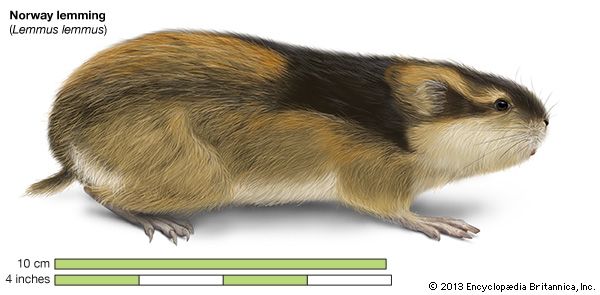
The region’s low species diversity and short summers result in relatively simple, unstable ecosystems. Animal populations often experience wide fluctuations; for example, predators like Arctic foxes and snowy owls rely heavily on the cyclical abundance of lemmings. Large herbivores, such as musk oxen and caribou, live near their biological limits and can face local extinction during periods of extreme weather.7
The Role of Snow and Permafrost
- Snow Distribution: Strong winds redistribute snow, which dictates plant growth patterns. Areas with little snow cover are prone to summer drought, while snow-bed communities receive necessary moisture.7
- Permafrost: This permanently frozen ground limits biological activity to a thin “active layer” near the surface. The freeze-thaw cycle creates distinct landscape features like patterned ground and pingos.8
Human Adaptation
Historically, the Inuit developed specialized lifeways to survive this harsh environment, relying on hunting marine mammals and land animals. While modern life in Nunavut has shifted toward settled communities, the ongoing impacts of climate change—including permafrost thawing and its associated ecological disruptions—present significant new challenges to the region.91011
Who was Gunnar Isachsen?
Gunnar Isachsen (1868–1939) was a Norwegian explorer and cartographer best known for his contributions to Arctic exploration. He is credited with the discovery of Amund Ringnes Island, one of the Sverdrup Islands in the Canadian Arctic, in 1900.1
Isachsen served as a key member of the scientific expedition led by Otto Sverdrup aboard the ship Fram between 1898 and 1902. During this mission, he played a vital role in mapping previously uncharted regions of the high Arctic, contributing significantly to the geographical knowledge of the area.1
Sources
- Amund Ringnes — Encyclopædia Britannica
- Sverdrup Islands — Encyclopædia Britannica
- Sverdrup Islands — Merriam-Webster
- Arctic - The North American Arctic — Encyclopædia Britannica
- King Christian Island — Encyclopædia Britannica
- Arctic - The Russian Arctic — Encyclopædia Britannica
- Polar ecosystem - Development and structure of populations and communities — Encyclopædia Britannica
- Inuit — Encyclopædia Britannica
- Tundra - Soils — Encyclopædia Britannica
- permafrost - Climatic change — Encyclopædia Britannica
- Nunavut - Population composition — Encyclopædia Britannica
Published on · 2 min read