Arnold Arboretum of Harvard University
The Arnold Arboretum of Harvard University is a major botanical research center located in the Jamaica Plain neighborhood of Boston. Founded in 1872, it…
What is Arnold Arboretum of Harvard University?
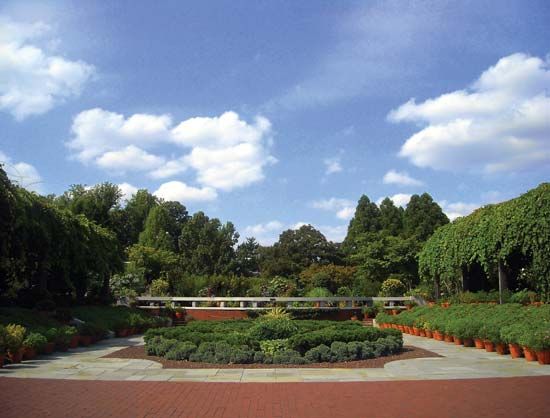
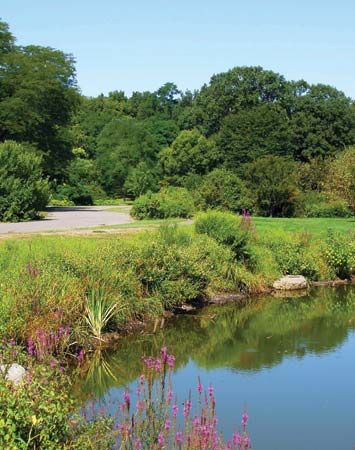
The Arnold Arboretum of Harvard University is a major botanical research center located in the Jamaica Plain neighborhood of Boston. Founded in 1872, it holds the distinction of being the oldest public arboretum in North America and has been a designated national historic landmark since 1965.1
Administered by the provost of Harvard University, the institution houses approximately 16,000 living plants, focusing on temperate woody flora. Its extensive collections include maples, conifers, oaks, magnolias, and a notable array of bonsai specimens, some of which are up to 275 years old. Beyond its living collections, the arboretum maintains a massive herbarium of 1.5 million reference specimens and supports ongoing horticulture research through facilities like the Weld Hill Research Building.21
What is the difference between an arboretum and a botanical garden?
The primary difference between an arboretum and a botanical garden lies in their focus and scope. An arboretum is a specialized collection dedicated to the cultivation and study of woody plants, specifically trees and shrubs. In contrast, a botanical garden is a broader institution that maintains a diverse collection of living plants—including herbaceous species—designed for scientific study, education, and public exhibition.34
These institutions often overlap in practice:
- Integration: An arboretum may exist as an independent entity or function as a specific section within a larger botanical garden.34
- Scientific Purpose: Both are distinguished from public parks by their commitment to scientific organization, typically arranging plants according to taxonomic relationships rather than purely for aesthetic or recreational purposes.5
- Facilities: Botanical gardens frequently include specialized infrastructure such as greenhouses for tropical species, herbaria for dried reference specimens, and research laboratories, which may also be present in larger arboretums.5
How do scientists use the plant specimens kept in a herbarium?
Scientists utilize herbarium specimens as essential reference tools for a wide range of botanical research. Often described as the “dictionaries” of the plant kingdom, these collections of dried, mounted specimens provide the comparative material necessary for several key scientific activities:
- Taxonomy and Systematics: Herbaria are critical for resolving taxonomic disputes, as they house “type specimens”—the original plants upon which a species’ description and scientific name are based. They are also used to identify unknown plants and discover new species.89
- Genetic and Morphological Research: The dried leaves serve as valuable sources of DNA for genetic analysis and phylogenetic studies. Additionally, specimens provide pollen for palynological research and allow for the study of plant anatomy and morphology.89
- Ecology and Biogeography: Researchers use the data associated with herbarium sheets—such as collection location and date—to document the historical ranges of plants, track the spread of species, locate rare or endangered species, and gain insight into the original biodiversity of degraded habitats.89
- Historical Documentation: These collections help trace the routes of historical plant explorers and provide a long-term record of plant life, with some specimens dating back hundreds of years.89
What are some of the oldest trees found in the Arnold Arboretum?
The Arnold Arboretum is home to a diverse collection of temperate woody flora, including a notable range of dwarfed trees. Among its living collections, the arboretum maintains bonsai and penjing specimens that reach up to 275 years in age.2
While the arboretum houses approximately 16,000 living plants—including extensive varieties of maples, conifers, oaks, and magnolias—the specific age of individual trees in the landscape collection is not detailed in the available records beyond these notable dwarfed specimens.2
Sources
- Arnold Arboretum of Harvard University: Top Questions — Encyclopædia Britannica
- Arnold Arboretum of Harvard University — Encyclopædia Britannica
- Arboretum — Encyclopædia Britannica
- botanical garden — Merriam-Webster
- list of gardens — Encyclopædia Britannica
- Botanical garden — Encyclopædia Britannica
- Botanical garden - Layouts and facilities — Encyclopædia Britannica
- Herbarium — Encyclopædia Britannica
- Botany - Historical background — Encyclopædia Britannica
- How Botanical Gardens Save Plants with Science — Encyclopædia Britannica
Published on · 3 min read