Arboretum
An arboretum is a specialized garden or collection dedicated to the cultivation of trees, shrubs, and sometimes herbaceous plants for scientific and…

What is Arboretum?
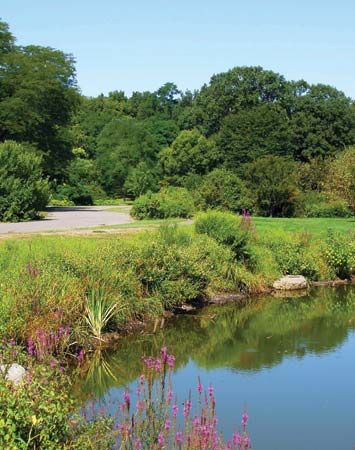
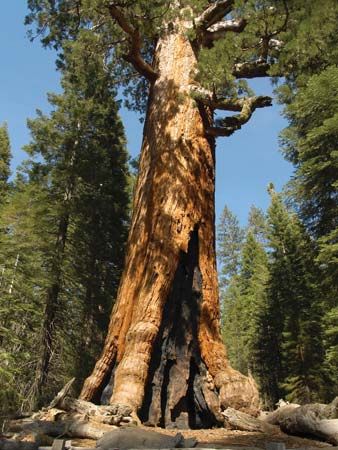
An arboretum is a specialized garden or collection dedicated to the cultivation of trees, shrubs, and sometimes herbaceous plants for scientific and educational purposes. While an arboretum can exist as an independent institution, it is often integrated as a specific section within a larger botanical garden.12
These sites serve as vital centers for horticultural research, plant conservation, and public education. Notable examples include the Arnold Arboretum of Harvard University, which is the oldest public arboretum in North America, and the United States National Arboretum in Washington, D.C., which houses extensive collections ranging from bonsai to diverse conifer species. Beyond their scientific utility, arboretums provide essential green spaces that offer urban populations access to the natural environment.1342
What is the main difference between an arboretum and a botanical garden?
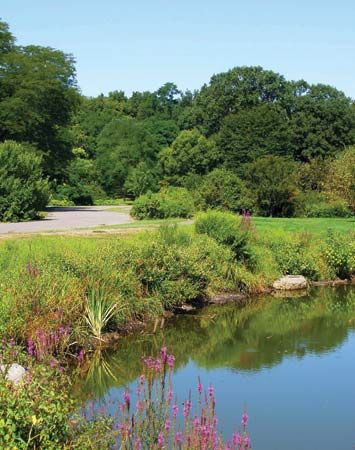
The primary difference between an arboretum and a botanical garden lies in their focus and scope. An arboretum is a specialized type of garden that concentrates specifically on the cultivation of woody plants, such as trees and shrubs.15
In contrast, a botanical garden is a broader institution designed for the study, exhibition, and culture of a wide variety of plants. While botanical gardens often include diverse collections—including greenhouses and ornamental species—an arboretum may function as an independent entity or exist as a specific, dedicated section within a larger botanical garden. Modern botanical gardens typically aim to display plants in a way that highlights their taxonomic relationships, whereas the defining characteristic of an arboretum is its focus on woody plant species.415
How do scientists use arboretums for botanical research?
Scientists utilize arboretums as critical hubs for botanical research, focusing primarily on horticultural studies. These institutions provide controlled environments where researchers can observe and analyze a vast array of trees, shrubs, and other plant life to better understand their growth, health, and development.12
Key research activities include:
- Specimen Analysis: Arboretums often house extensive herbaria, which contain hundreds of thousands of preserved plant specimens. These collections allow scientists to conduct comparative studies and track botanical data over time.2
- Horticultural Development: Research is frequently directed toward the improvement of ornamental plants, including azaleas, camellias, and hollies, as well as turf grasses and various flowering herbs.2
- Scientific Documentation: By maintaining diverse living collections—such as apple trees and conifers—scientists can study plant taxonomy and adaptation in a living laboratory setting.2
What is an herbarium and why is it important for plant study?
An herbarium is a systematic collection of dried plant specimens that have been pressed, mounted on archival paper, and labeled with scientific data, such as the collector’s name, collection site, and habitat observations. These specimens are carefully prepared to ensure that key morphological features, including floral structures and both sides of leaves, remain visible for study.67
Herbaria are essential to botanical science for several reasons:
- Taxonomic Reference: Often described as the “dictionaries” of the plant kingdom, they provide the comparative material necessary for taxonomy and systematics. They house “type specimens,” which serve as the definitive reference for naming and describing plant species.6
- Scientific Research: Beyond classification, they are vital for fields such as ecology, biogeography, and conservation biology. They allow scientists to document historic plant ranges, locate endangered species, and provide genetic material for DNA analysis.6
- Historical Documentation: These collections preserve a record of plant life over centuries, helping researchers trace the history of botanical exploration.6
Sources
- Arboretum — Encyclopædia Britannica
- United States National Arboretum — Encyclopædia Britannica
- Arnold Arboretum of Harvard University — Encyclopædia Britannica
- Botanical garden — Encyclopædia Britannica
- botanical garden — Merriam-Webster
- Herbarium — Encyclopædia Britannica
- Biology - Advances in botany — Encyclopædia Britannica
- herbarium — Merriam-Webster
Published on · 3 min read