Asselar Man
Asselar man refers to an extinct post-Paleolithic human identified from a single, tall, dolichocephalic (long-headed) skeleton discovered in 1927. The…
What is Asselar man?
Asselar man refers to an extinct post-Paleolithic human identified from a single, tall, dolichocephalic (long-headed) skeleton discovered in 1927. The remains were found near the former French military post of Asselar in what is now Mali, by M.V. Besnard and Théodore Monod.12
Believed to date to the Holocene Epoch, the specimen is significant in paleoanthropology, with some scholars identifying it as the oldest known skeleton of an African black.1
What is the Holocene Epoch?
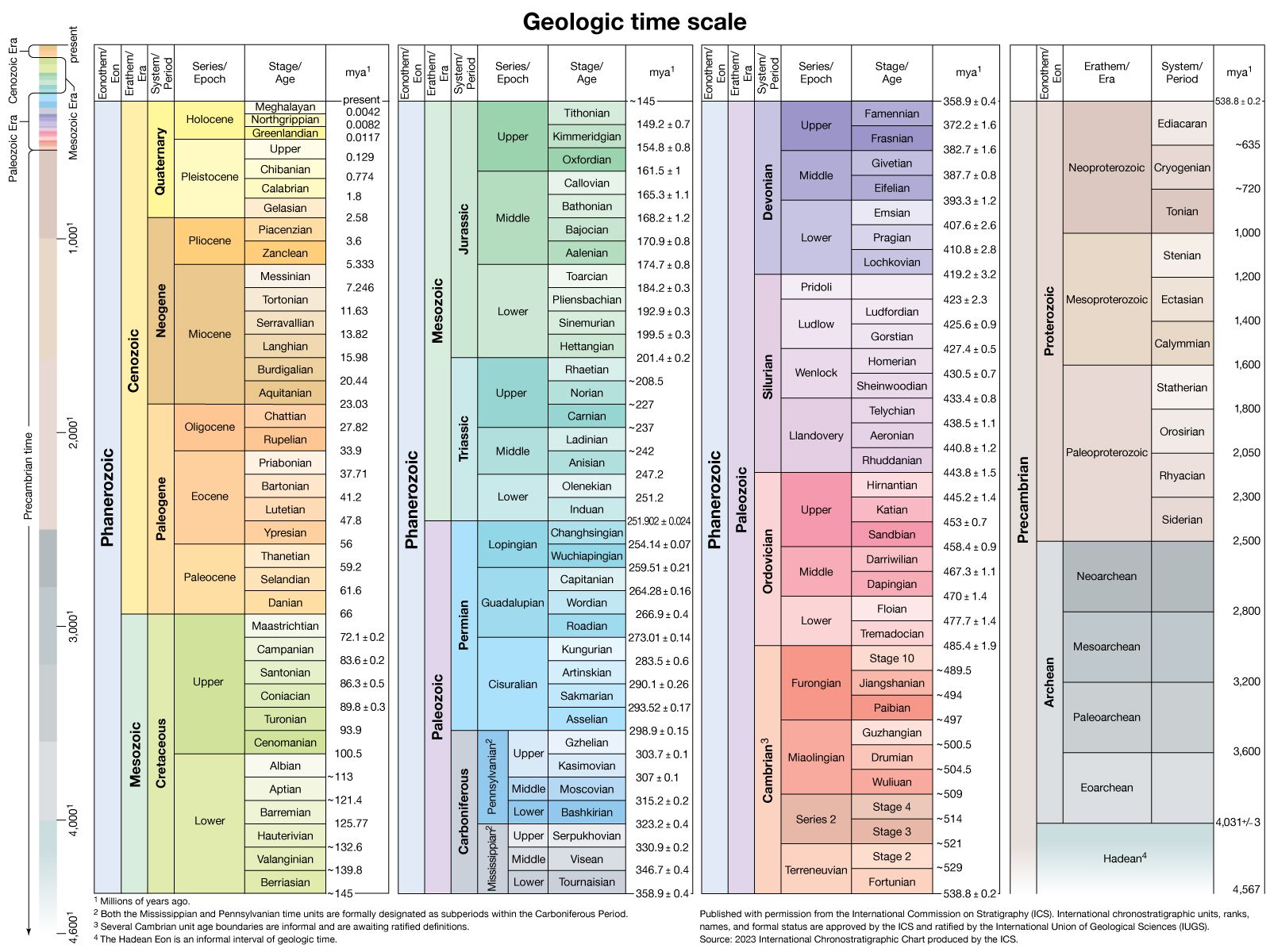
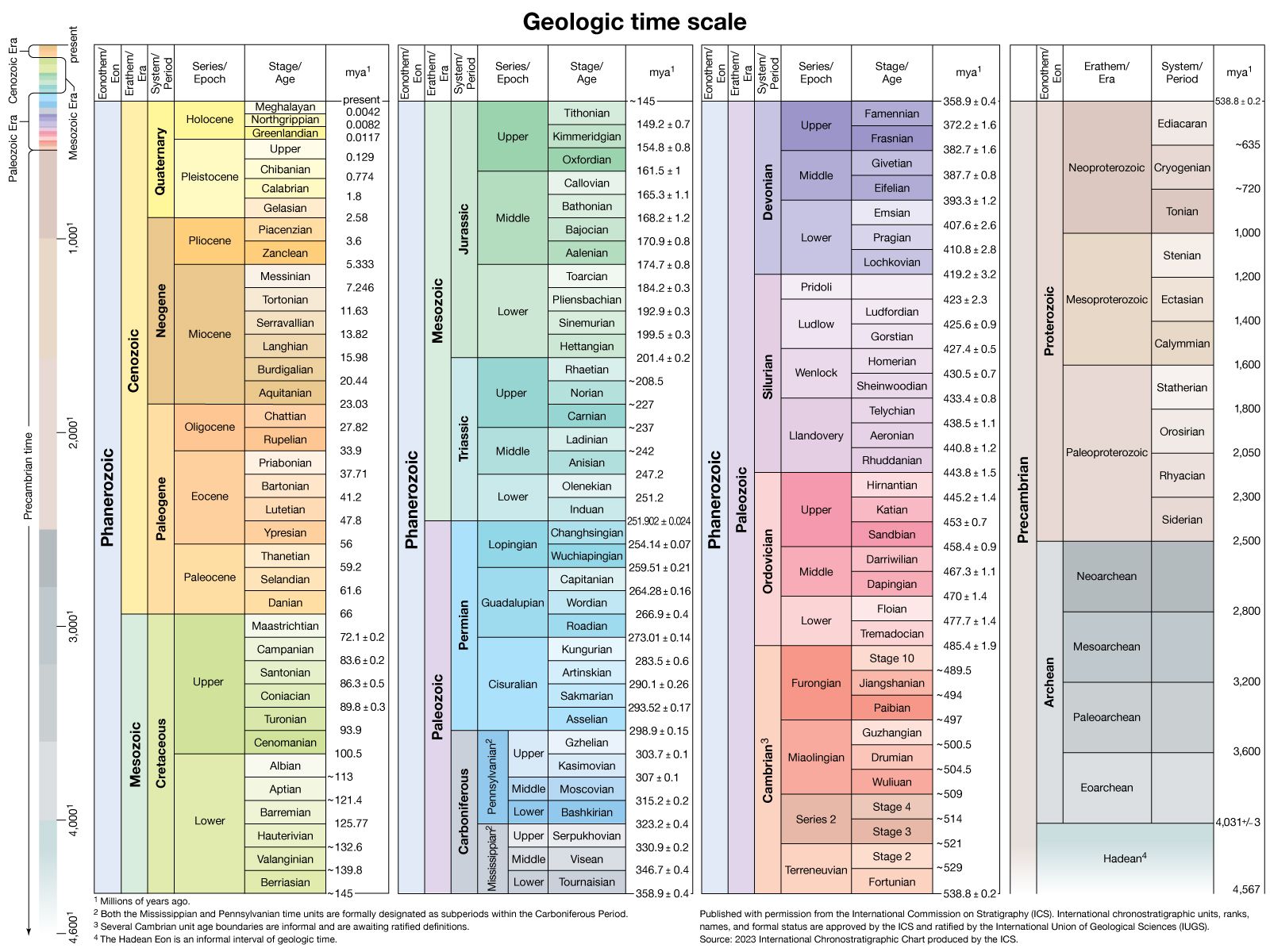
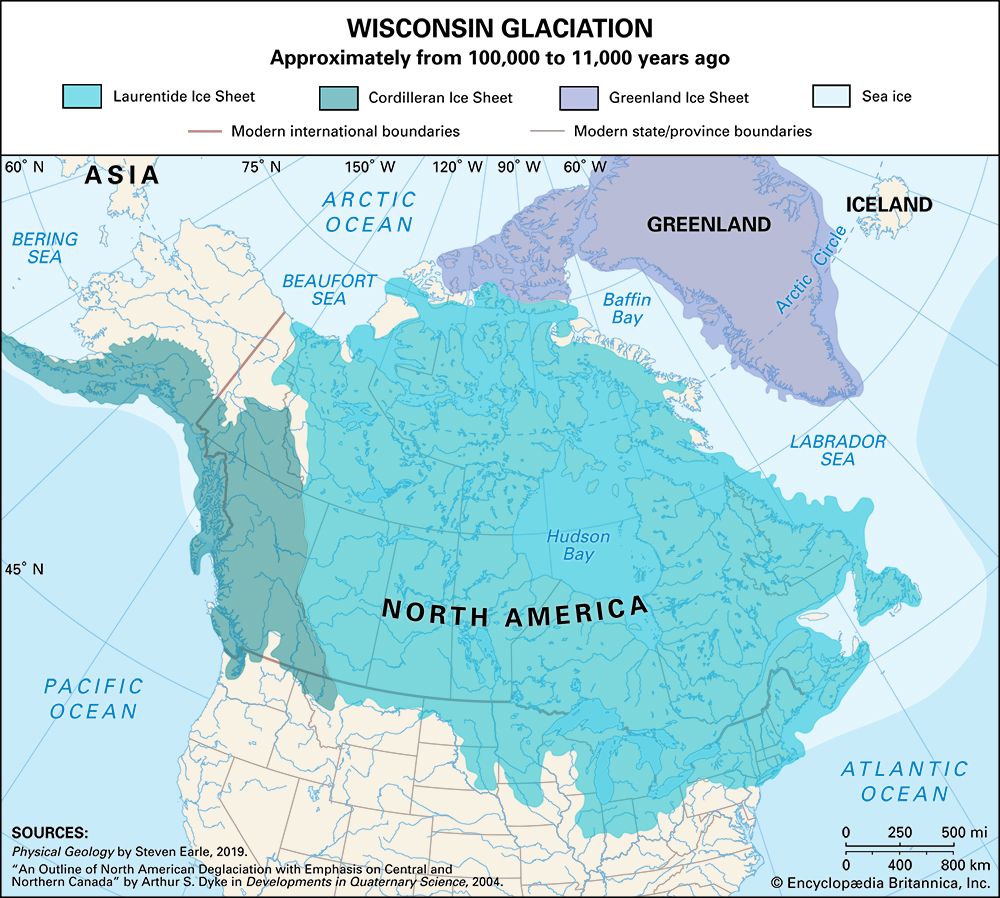
The Holocene Epoch is the most recent interval of geologic time, covering approximately the last 11,700 years of Earth’s history. It represents the current interglacial period following the Pleistocene Epoch, which was characterized by a series of glacial and interglacial ages.34
The Holocene is unique in the geologic record because it coincides with the late and post-Stone Age history of humankind. Its influence on the planet is so profound—due to the rise of human civilization and our subsequent domination over ecological systems—that some scientists have proposed classifying the later part of this epoch as the Anthropocene.34
While the Holocene has been more climatically stable than the preceding Pleistocene, it has still experienced significant variations, such as the Mid-Holocene Climatic Optimum and the cooling trend known as the “Neoglacial”. Today, the Holocene remains the primary chronological framework used by archaeologists to trace the development of early civilizations and human cultural history.435
How do scientists date ancient human skeletons?
Scientists use a variety of techniques to date ancient human skeletons, broadly categorized into relative and absolute dating methods.
Relative Dating
Relative dating establishes the age of a skeleton in relation to other objects or layers found in the same vicinity.
- Stratigraphy: Based on the law of superposition, this method assumes that in undisturbed deposits, the oldest remains are located in the lowest layers.67
- Cross Dating: Archaeologists date undated sites by identifying objects from known cultures (such as pottery styles) found within the same context.6
- Chemical Analysis: Techniques like measuring fluorine, uranium, and nitrogen content in bones can help determine if remains are contemporary with their surroundings or if they represent later intrusions, such as a burial that occurred long after the original layer was deposited.68
Absolute Dating
Absolute dating provides a specific chronological age.
- Radiocarbon dating: By measuring the decay of carbon-14 in organic materials like bone, scientists can estimate the time of death for specimens up to 50,000 years old.69
- Potassium-argon dating: This radiometric method is used to date much older volcanic deposits associated with fossils, allowing researchers to date remains millions of years old.610
- Other Techniques: Methods such as dendrochronology (tree-ring dating) and thermoluminescence are also employed depending on the context of the find.6
What does the term dolichocephalic mean?
The term dolichocephalic is an adjective used to describe a skull that is relatively long and narrow when viewed from the top. In the context of craniometry, this classification is determined by the cephalic index, which is the ratio of the skull’s breadth to its length, multiplied by 100. A skull is considered dolichocephalic if it has a cephalic index of less than 75.121314
The term is derived from the Greek words dolichos (long) and kephalē (head). It was popularized in the 19th century by the anatomist Anders Adolf Retzius, who developed the cephalic index as a method to categorize human populations. While historically used in attempts to classify human races, modern science emphasizes that such measurements do not provide a valid basis for defining racial groups, and the use of these categories is largely considered outdated in contemporary biological anthropology.121415
Sources
- Asselar man — Encyclopædia Britannica
- Asselar man — Merriam-Webster
- Holocene Epoch — Encyclopædia Britannica
- Global warming - Climatic variation since the last glaciation — Encyclopædia Britannica
- Stone Age — Encyclopædia Britannica
- Archaeology - Dating — Encyclopædia Britannica
- stratigraphy — Encyclopædia Britannica
- carbon-14 dating — Encyclopædia Britannica
- forensic anthropology — Encyclopædia Britannica
- Homo erectus - Dating the fossils — Encyclopædia Britannica
- geochronology - Accumulational processes — Encyclopædia Britannica
- dolichocephalic — Merriam-Webster
- cephalic index — Encyclopædia Britannica
- Anders Adolf Retzius — Encyclopædia Britannica
- Boskop skull — Encyclopædia Britannica
- skulls — Merriam-Webster
Published on · 3 min read