Australian Alps
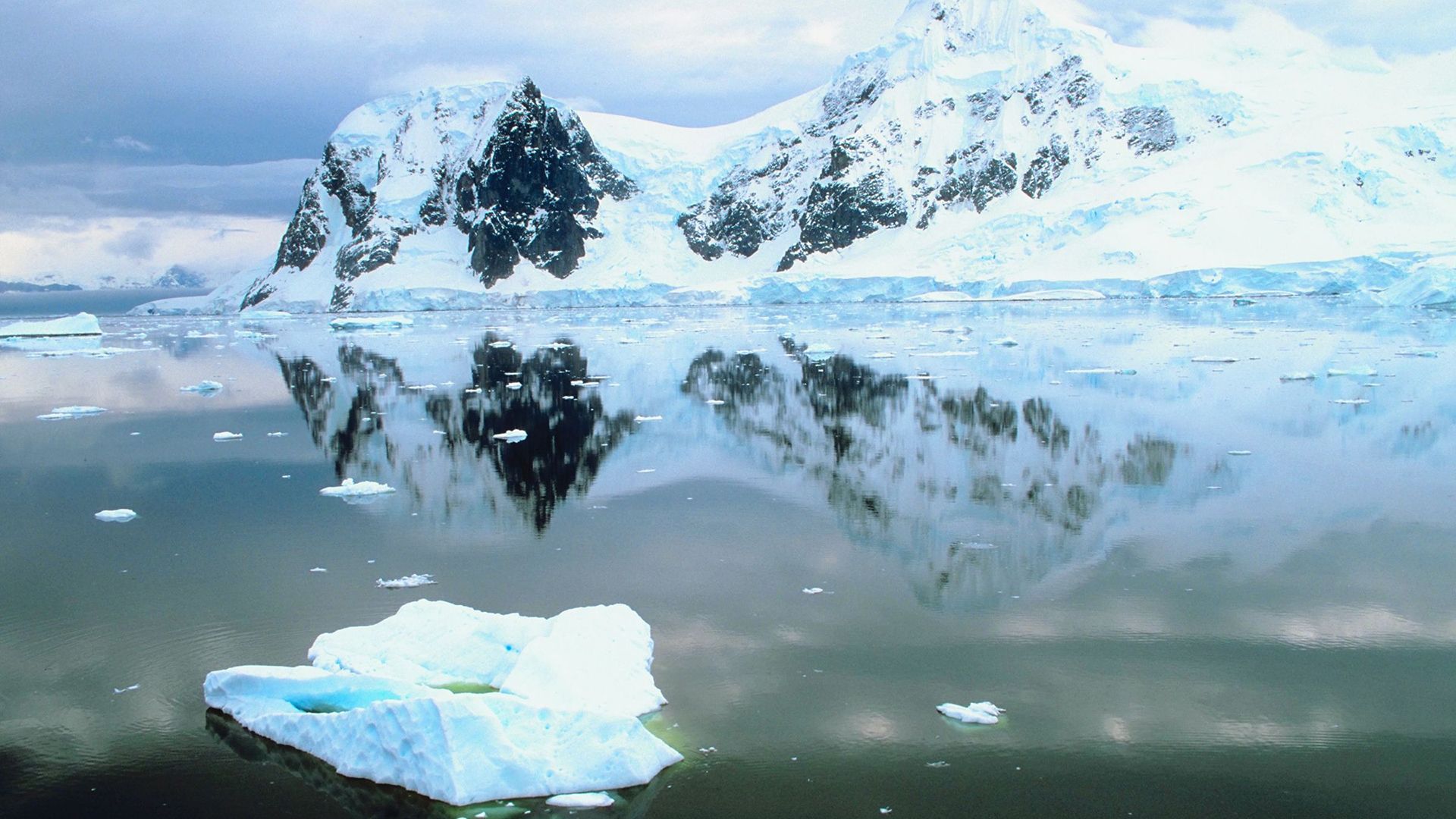
The Australian Alps are a significant mountain range located in southeastern Australia, spanning the border of New South Wales and Victoria. Known for being…
What are the major peaks and ski resorts found in the Australian Alps?
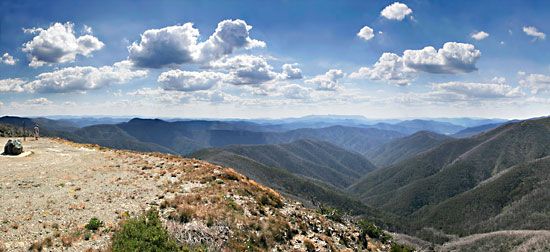
The Australian Alps are a significant mountain range located in southeastern Australia, spanning the border of New South Wales and Victoria. Known for being snow-clad for several months each year, the region is a primary destination for winter sports.12
Major Peaks
The highest point in the Australian Alps—and the entire continent—is Mount Kosciuszko, which reaches an elevation of 7,310 feet (2,228 metres). It is situated within the Snowy Mountains range, which contains several other notable peaks exceeding 7,000 feet (2,100 metres), including:31
While the provided search results confirm that the region is extensively developed for winter sports, they do not list the specific names of individual commercial ski resorts.312
What is the geological history of the Australian Alps?
The geological history of the Australian Alps is fundamentally tied to the development of the Great Dividing Range, a complex series of plateaus and mountain ranges that parallel Australia’s eastern coast.24
Unlike the European Alps, which were formed by the relatively recent Alpine orogeny, the Australian Alps do not share those specific structural features. Instead, the region is characterized by a broad, gently undulating highland surface that has been shaped by significant vertical movements of the Earth’s surface.25
Key aspects of the region’s geological evolution include:
- Tectonic Development: The eastern margin of Australia underwent major changes during the Mesozoic and Cenozoic eras. As Australia separated from Antarctica and drifted northward, the continent developed its modern configuration, featuring uplands along the eastern margin that divided the continental drainage.6
- Erosional Processes: The landscape has been heavily modified by long-term erosion. The region features “valley in valley” forms, created by streams cutting into the highland surface over time.2
- Mineralization: The rocks of these highlands are extensively mineralized, a result of the region’s complex geological history, which has historically supported various mining ventures.2
What is the geographical location and extent of the Australian Alps?
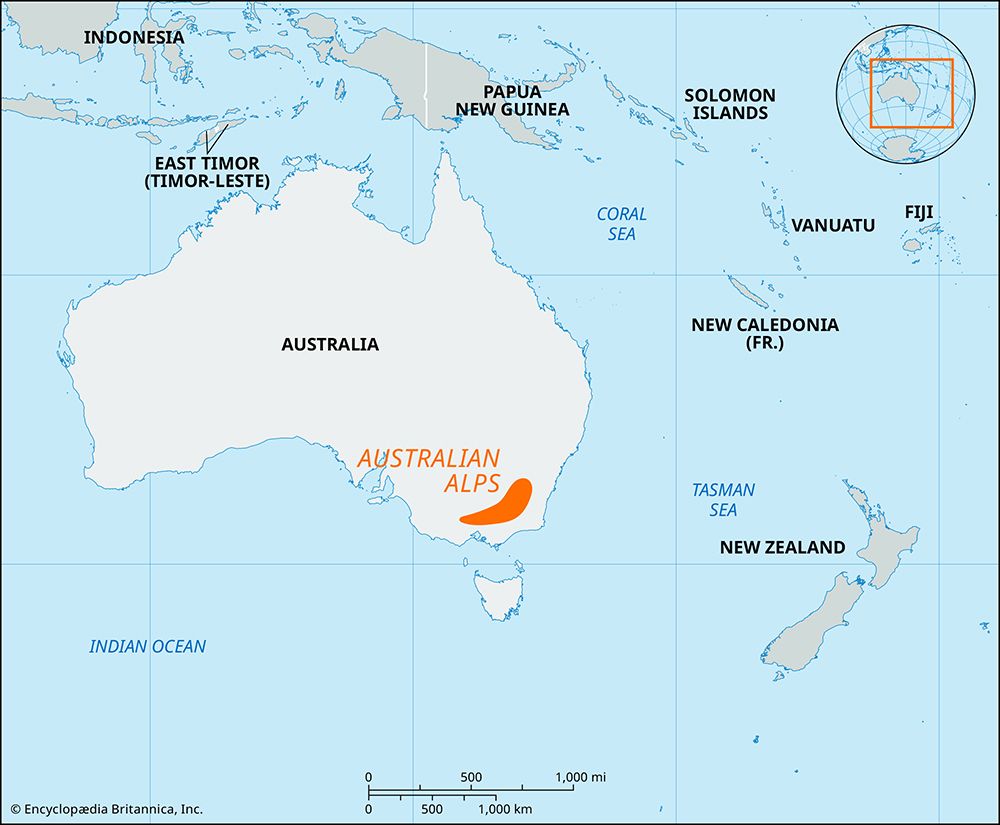
The Australian Alps are a prominent mountain mass located in the southeastern corner of Australia. They form a segment of the Great Dividing Range and span across eastern Victoria and southeastern New South Wales.2
Geographically, the range serves as a critical divide between two major drainage systems:
- Westward: The Murray River system.2
- Southeastward: The Snowy River and other streams that flow directly toward the Pacific Ocean.2
The region is defined by its massive scale and its tendency to remain snow-clad for five to six months of the year. It contains the continent’s highest peaks, including Mount Kosciuszko, which reaches an elevation of 7,310 feet (2,228 metres). The landscape is characterized by a broad, undulating highland surface with a timberline situated at approximately 5,000 feet (1,500 metres).2
How does the unique flora and fauna of the Australian Alps adapt to the alpine environment?
The Australian Alps are distinct from many other global mountain ranges because they are not exceptionally high, which limits the presence of animals specifically adapted to high-altitude, mountainous environments. While the region features a timberline at approximately 5,000 feet (1,500 metres), the overall ecosystem of the Great Dividing Range is defined more by its forested areas than by specialized alpine-tundra fauna.1011
In the broader context of alpine environments, flora and fauna typically employ several survival strategies to cope with cold, wind, and short growing seasons:
- Plant Adaptations: Alpine plants often complete their life cycles rapidly during the short summer. Many are perennials that flower shortly after snowmelt, while others utilize low-growing forms or “cushion” shapes to stay within warmer air layers near the soil surface. Some species, such as those with hairy stalks, are able to retain heat to protect their reproductive parts from freezing temperatures.12
- Animal Adaptations: Many animals in alpine regions avoid the harshest winter conditions through vertical migration, moving to lower, forested elevations during the winter months. Others, such as marmots, rely on hibernation to survive the winter, while some small mammals cache food supplies like hay to sustain themselves.2
Sources
- Mount Kosciuszko — Encyclopædia Britannica
- Australian Alps — Encyclopædia Britannica
- Snowy Mountains — Encyclopædia Britannica
- Alps - Geology — Encyclopædia Britannica
- Australian Alps — Merriam-Webster
- Great Dividing Range — Encyclopædia Britannica
- Pleistocene Epoch - Glaciation — Encyclopædia Britannica
- Snowy Mountains — Merriam-Webster
- Australia - The Mesozoic and Cenozoic eras — Encyclopædia Britannica
- Alps - Plant and animal life — Encyclopædia Britannica
- Exploring 7 of Earth’s Great Mountain Ranges - Great Dividing Range — Encyclopædia Britannica
- Tundra - Plant life — Encyclopædia Britannica
- Tundra - Alpine mammals — Encyclopædia Britannica
Published on · 3 min read