Avocet
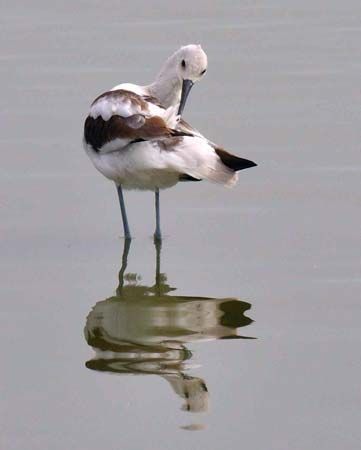
Avocets are large shorebirds in the genus Recurvirostra that are easily identified by several distinctive physical features:
What are the distinctive physical characteristics of avocets?
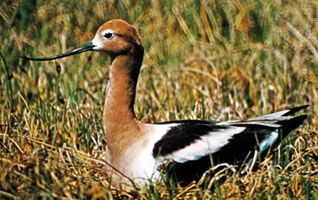
Avocets are large shorebirds in the genus Recurvirostra that are easily identified by several distinctive physical features:
- Bill: They possess a long, slender black bill that is characteristically upturned at the tip, which they use to sweep through shallow water to feed.1
- Plumage: These birds exhibit bold, contrasting plumage patterns. While specific coloration varies by species—such as the black-and-white Old World avocet or the red-brown headed Australian avocet—they generally feature striking combinations of black, white, and sometimes brown or pinkish-brown tones.1
- Legs: They have notably long, bluish-colored legs, which are well-suited for wading in the marshes and mud flats they inhabit.1
These physical traits allow them to effectively forage in shallow water, where they often wade in lines to corral prey or “upend” like ducks in deeper areas.1
Where are avocets typically found, and what kind of habitats do they prefer?
Avocets are found in temperate and tropical regions across the globe, though their distribution is discontinuous. They are primarily associated with fresh and salt marshes that feature significant areas of open, shallow water and mud flats.12
Their habitat preferences and geographic ranges include:
- Old World Avocet (R. avosetta): Breeds in central Asia and scattered locations throughout Europe, with many populations wintering in Africa’s Rift Valley.1
- American Avocet (R. americana): Nests in western North America and winters in regions ranging from California and Texas down to Guatemala.1
- Andean Avocet (R. andina): Found exclusively in the alkali lakes of the high Andes.1
- Australian Avocet (R. novaehollandiae): Native to Australia.1
Regardless of the specific species, these birds typically nest in small colonies on the ground within these marshy environments. If flooding occurs, they are known to build up their nests to protect their eggs.12
How do avocets breed and raise their young?
Avocets exhibit specific reproductive behaviors characterized by colonial nesting and shared parental responsibilities. Their breeding and rearing process typically follows these patterns:
- Nesting: Avocets nest in small, open colonies that can include up to a few hundred pairs. They prefer grassy marshes that feature significant areas of shallow, open water—whether fresh or salt—for their nesting sites. The nest is constructed on the ground, and if the area is prone to flooding, the birds are known to build up the nest structure to protect their eggs.12
- Incubation: A standard clutch consists of four eggs. Both the male and female parents participate in the incubation process, sharing the duty of keeping the eggs warm.1
- Parental Care: Once the eggs hatch, both parents are involved in protecting and caring for the young. This cooperative approach to raising offspring is a hallmark of the family Recurvirostridae, ensuring that the chicks have support as they grow in their marshy habitats.1
What is the diet of avocets, and how do they hunt for food?
Avocets primarily consume small aquatic animals, including minnows and various crustaceans.1
Their hunting technique is highly specialized and adapted to their unique bill structure. To forage, they sweep their long, upturned bills—held partially open—back and forth through the water or across the bottom of shallow marshes and mud flats. This sweeping motion allows them to filter or capture prey as they move through the shallows.14
In addition to this individual foraging behavior, avocets often employ cooperative strategies. They frequently wade together in lines to corral schools of minnows or groups of crustaceans, making the prey easier to capture. In deeper water, they may also exhibit a behavior known as “upending,” where they tip their bodies forward to reach food beneath the surface, similar to the feeding style of ducks.1
Sources
- Avocet — Encyclopædia Britannica
- Charadriiform - Shorebirds (suborder Charadrii) — Encyclopædia Britannica
- Reproductive behaviour - Parental care — Encyclopædia Britannica
- Charadriiform - Locomotion and feeding behaviour — Encyclopædia Britannica
Published on · 3 min read