Bale Mountains
The Bale Mountains are a prominent mountain chain located in southern Ethiopia. This region features high-altitude terrain, rising to elevations above 11,000…
What is Bale Mountains?
The Bale Mountains are a prominent mountain chain located in southern Ethiopia. This region features high-altitude terrain, rising to elevations above 11,000 feet (3,350 metres) near the town of Goba.1
The area is ecologically significant, particularly within the Bale Mountains National Park, which is renowned for its high concentration of endemic species. Most notably, it serves as the primary habitat for the rare and endangered Ethiopian wolf (Canis simensis), which maintains its largest population within this mountain range.1
What makes the Ethiopian wolf unique?
The Ethiopian wolf (Canis simensis), also known as the Abyssinian wolf, is a unique and highly endangered species native to the high-altitude grasslands and heath scrub of the Ethiopian highlands.21
Several characteristics make this animal distinct:
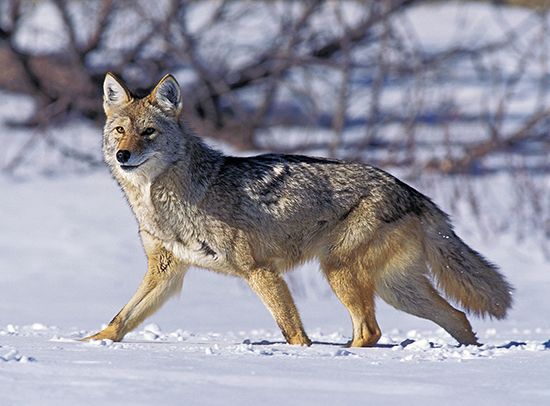
- Appearance: Often described as “a wolf in fox’s clothing,” it possesses a striking reddish coat and long, slender legs, bearing a physical resemblance to a coyote.23
- Hunting Behavior: Although they live in social packs, Ethiopian wolves are solitary hunters. They primarily prey on rodents and other small mammals rather than the larger game typically associated with other wolf species.23
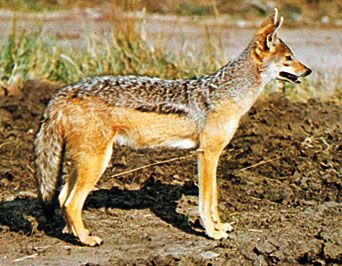
- Taxonomy: Until relatively recently, the species was classified as a jackal rather than a wolf.1
- Conservation Status: It is one of the rarest canids in the world, with only a few hundred individuals remaining. The species faces significant threats from habitat loss, disease, and fragmentation of their isolated populations.23
What other animals live in the Bale Mountains?
The Bale Mountains are a critical biodiversity hotspot in Ethiopia, home to a variety of unique wildlife beyond the Ethiopian wolf. A notable inhabitant of this region is the mountain nyala, a species of antelope that is endemic to the Ethiopian highlands.1
While the broader Ethiopian landscape supports diverse fauna—including various monkeys, hyenas, and jackals—the high-altitude environment of the Bale Mountains specifically provides a sanctuary for species adapted to montane grasslands and forest ecosystems. The region’s status as a protected area is essential for the survival of these animals, many of which are considered endangered species due to habitat loss and environmental pressures.16
How does the high altitude affect the local climate?
High altitude significantly influences local climate by acting as a moderator of temperature and a driver of diverse weather patterns. In tropical regions like Ethiopia, while lower elevations experience hot, desert-like or tropical savanna conditions, higher elevations benefit from relief, which creates temperate-zone weather. Consequently, average annual temperatures in the highlands are notably cooler, typically in the low 60s F (mid-10s C), compared to the low 80s F (upper 20s C) in the lowlands.1
Beyond temperature, increasing elevation leads to a decrease in atmospheric pressure, humidity, and dust content. The reduced air overhead results in higher atmospheric transparency, which enhances the receipt of solar radiation, particularly ultraviolet wavelengths. Altitude also generally increases precipitation up to about 4,000 meters (13,100 feet).7
Mountains further influence the climate by acting as barriers to air masses, which can create rain shadows on leeward slopes, and by “funneling” wind through valleys. Additionally, cold air drainage from higher elevations can create “frost pockets” in low-lying valleys, contributing to the complex mesoclimates and microclimates characteristic of mountainous terrain.7
Sources
- Bale Mountains — Encyclopædia Britannica
- wolf - Other wolves — Encyclopædia Britannica
- wolf: Top Questions — Encyclopædia Britannica
- What Are the Rarest Types of Wolves? — Encyclopædia Britannica
- wolf — Encyclopædia Britannica
- Ethiopia - Plant and animal life — Encyclopædia Britannica
- Highland climate — Encyclopædia Britannica
- Ethiopia - Climate — Encyclopædia Britannica
- Exploring 7 of Earth’s Great Mountain Ranges - Ethiopian Highlands — Encyclopædia Britannica
- climatic adaptation — Encyclopædia Britannica
Published on · 2 min read