Biogenic Ooze
Biogenic ooze plays a significant role in the global carbon cycle by acting as a major long-term sink for calcium carbonate. These pelagic sediments, which…
What role does biogenic ooze play in the global carbon cycle?
Biogenic ooze plays a significant role in the global carbon cycle by acting as a major long-term sink for calcium carbonate. These pelagic sediments, which contain more than 30 percent skeletal material from organisms like foraminiferans and coccoliths, effectively sequester carbon on the seafloor.12
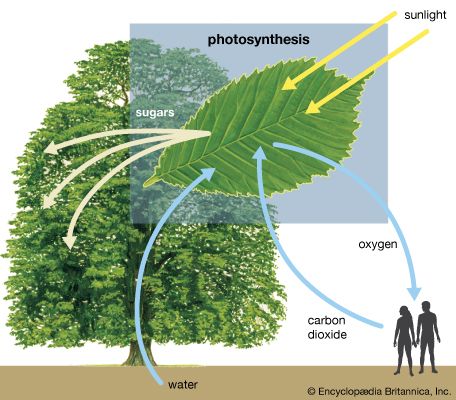
The accumulation of these carbonate oozes is governed by primary productivity in surface waters and the calcite compensation depth (CCD). Above the CCD, carbonate remains stable and accumulates, locking away carbon that was originally processed by marine organisms through photosynthesis. Below this depth, the rate of dissolution increases, returning carbonate to the deep ocean and influencing the chemical balance of the water column. Because carbonate oozes cover approximately half of the world’s seafloor, they represent a critical component in the regulation of oceanic carbon storage over geologic time.13
What are the primary organisms that contribute to the formation of biogenic ooze?
Biogenic ooze is primarily formed from the skeletal remains of microscopic marine organisms. These sediments are categorized based on the composition of their skeletons, which are either calcareous (calcium carbonate) or siliceous (silica).45
Calcareous Organisms
These organisms contribute to the formation of carbonate oozes, which cover approximately half of the world’s seafloor:5
- Foraminiferans: Unicellular organisms that secrete calcareous shells (tests). Their remains, particularly from planktonic species, form widespread deposits known as foraminiferal or globigerina ooze.41
- Coccolithophores: Microscopic marine algae or protozoa that produce tiny calcium carbonate plates called coccoliths. These accumulate on the ocean floor as a gray sediment.65
- Pteropods: Pelagic mollusks whose shells contribute to specific types of carbonate deposits found in certain regions, such as the mid-Atlantic.4
Siliceous Organisms
These organisms form siliceous oozes, which are composed of amorphous, hydrated silica (opal):5
- Diatoms: Microscopic algae that produce tiny shells called frustules. They are the primary contributors to diatom oozes, particularly in high-latitude regions like the Antarctic.45
- Radiolarians: Warm-water protozoa that contribute their silica skeletons to radiolarian oozes, most notably in the eastern North Pacific and near the Equator.45
- Siliceous sponges and silicoflagellates: These also contribute to the accumulation of siliceous skeletal debris in marine sediments.5
How do scientists study and collect samples of biogenic ooze from the ocean floor?
Scientists study and collect samples of biogenic ooze and other deep-sea sediments using a variety of specialized equipment designed to retrieve material from the ocean floor for laboratory analysis.89
Sampling Techniques
- Grabbing Devices: Often called “snappers,” these tools are used to collect small samples of superficial sediment layers. Examples include the clamshell snapper, which uses spring-actuated jaws to trap bottom material, and the orange peel bucket sampler, which is effective in shallower waters.8
- Dredges: These are sturdy, steel-framed devices dragged along the seafloor. They are particularly useful for collecting larger rock samples or coarser materials, often utilizing a heavy grill or hardware cloth to retain the desired sediment.89
- Coring Devices: To obtain deeper, more undisturbed records of the seafloor, scientists use corers. These devices consist of a core tube, lead weights, and a tailfin for vertical stability. Piston corers are especially effective, as they use a piston to create suction, which helps overcome friction and allows for the retrieval of long, continuous sediment cores—sometimes up to 200 metres in length when using hydraulic piston corers on research vessels like the JOIDES Resolution.89
Analysis
Once collected, samples are examined aboard research vessels or in shore-based laboratories. Investigators analyze the size, shape, and chemical properties of the particles, and identify the specific organisms present to classify the sediment. Additionally, seismic reflection methods are used to map sediment thickness and reveal information about the depositional processes across the ocean basins.89
How does the distribution of biogenic ooze vary across different ocean basins?
The distribution of biogenic ooze across ocean basins is primarily governed by surface water productivity, the rate of skeletal dissolution, and dilution by other sediments. Because these factors vary geographically, the composition of the seafloor differs significantly between basins.1
Basin-Specific Distribution
- Atlantic Ocean: This basin is dominated by carbonate oozes. The Calcite Compensation Depth (CCD)—the depth where carbonate dissolution equals accumulation—is approximately 500 metres deeper in the Atlantic than in the Pacific, allowing carbonate sediments to cover a larger portion of the deep seafloor. Pteropod ooze, a type of calcareous sediment, is also found specifically in the mid-Atlantic.14
- Pacific Ocean: Siliceous oozes are most common here. Because the Pacific has a shallower CCD compared to the Atlantic, carbonate sediments are more prone to dissolution at depth. Radiolarian oozes are notably found under the eastern part of the North Pacific, while diatom oozes occur in belts within the North Pacific.14
- Indian Ocean: The seafloor here is characterized by a combination of both carbonate and siliceous oozes.1
Global Patterns
Regardless of the specific basin, biogenic ooze distribution follows broader environmental trends:
- High Productivity Zones: Siliceous oozes are reliable indicators of high primary productivity, as silica dissolves rapidly and requires a high supply rate to reach the seafloor. These are concentrated around Antarctica, where 75 percent of the ocean’s silica supply is deposited, and near the Equator.1
- Depth Constraints: Carbonate oozes generally cover the seafloor above 4,500 metres. They frequently blanket oceanic ridges, which rise above the CCD.1
- Dilution: In areas closer to continents, the accumulation of biogenic material is often obscured by land-derived sediments, such as clays and turbidites.14
Sources
- biogenic ooze — Encyclopædia Britannica
- ocean basin - Sedimentation patterns — Encyclopædia Britannica
- marine sediment — Encyclopædia Britannica
- ooze — Encyclopædia Britannica
- Coccolith — Encyclopædia Britannica
- foraminiferan — Encyclopædia Britannica
- Tertiary Period - Foraminiferans — Encyclopædia Britannica
- undersea exploration - Exploration of the seafloor and the Earth’s crust — Encyclopædia Britannica
- ocean basin - Deep-sea sediments — Encyclopædia Britannica
- ocean basin - Sediment types — Encyclopædia Britannica
- undersea exploration - Collection of biological samples — Encyclopædia Britannica
- undersea exploration - Measurements of ocean currents — Encyclopædia Britannica
- plankton - Plankton and biological productivity — Encyclopædia Britannica
- coral reef - Biological factors — Encyclopædia Britannica
Published on · 4 min read