Bran
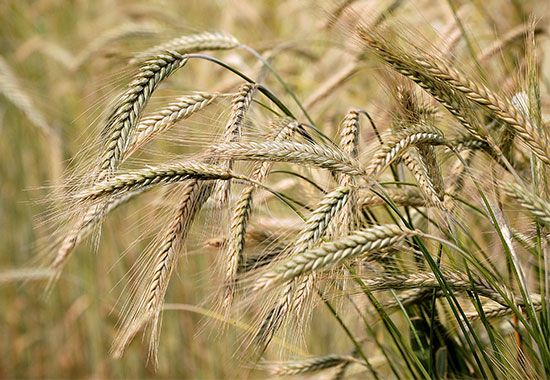
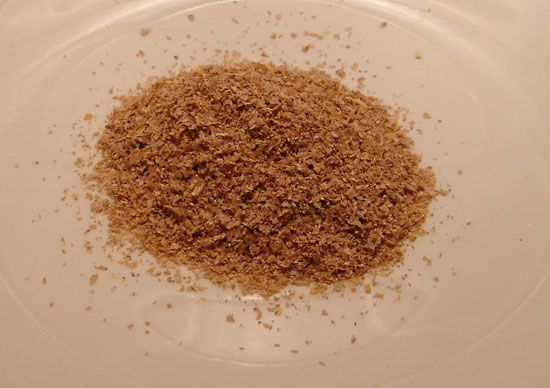
Bran is the edible, protective outer layer or seed coat of cereal grains, such as wheat and rye, that is separated from the kernel during the milling process.
What is bran?
Bran is the edible, protective outer layer or seed coat of cereal grains, such as wheat and rye, that is separated from the kernel during the milling process.12
In flour production, this coarse material is removed by sifting or bolting. While much of the world’s bran is used as stock feed, it is also a valuable human food source. Wheat bran, for instance, is rich in protein, carbohydrate, and dietary fiber, making it a popular addition to breakfast cereals, breads, and muffins for its role as roughage in the digestive system.1
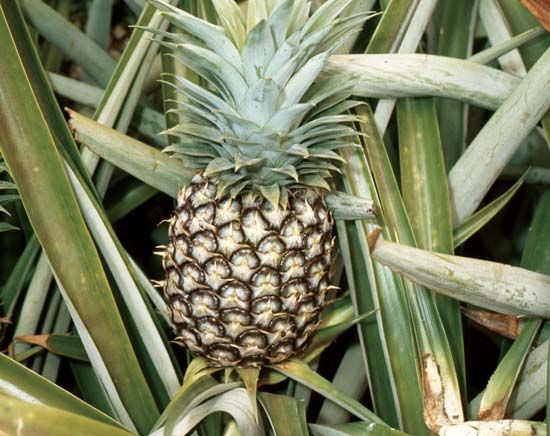
Additionally, the term can refer to by-products from other food processing industries, such as pineapple bran, or specific milling products like rice bran, which includes the germ and broken grains and is used for both animal feed and medicinal purposes.13
Why is dietary fiber important for human health?
Dietary fiber consists of plant-based structural materials that the human small intestine cannot digest. Despite being largely nondigestible, it is essential for maintaining good health through several key mechanisms:45
- Digestive Regularity: Insoluble fiber adds bulk to stool, which helps prevent constipation and promotes regular bowel function.45
- Disease Prevention: Fiber is associated with a reduced risk of colon cancer and other gastrointestinal diseases. It also helps remove potentially harmful substances from the body more quickly.45
- Heart Health: Soluble fiber helps lower plasma cholesterol levels, thereby reducing the risk of heart disease.45
- Metabolic Regulation: Fiber slows gastric emptying and delays glucose absorption, which contributes to satiety and ensures a more even supply of blood glucose.45
Because of these benefits, health authorities establish daily reference values to guide adequate intake.6
How does the milling process change the nutritional value of flour?
The milling process significantly alters the nutritional profile of cereal grains by separating the starchy endosperm from the bran and the germ.789
Because the bran and germ contain the majority of a grain’s dietary fiber and B vitamins, refined white flours lose a substantial portion of these nutrients during processing. For example, white flour typically contains only about one-third of the fiber found in whole wheat flour. Similarly, the removal of the germ—where B vitamins are concentrated—reduces the vitamin content of the resulting flour.109
To address these losses, many countries mandate the enrichment of white flour with synthetic vitamins to restore levels comparable to whole grains. However, enrichment does not replace the lost fiber or other potentially beneficial compounds found in the outer layers of the grain. In contrast, parboiling can help retain nutrients by transferring vitamins from the outer coverings into the endosperm before the grain is milled.911
What are the differences between whole grains and refined grains?
The primary difference between whole grains and refined grains lies in the composition of the grain kernel. A whole grain retains all three original parts of the kernel: the bran, the germ, and the endosperm. In contrast, the refining process removes the bran and the germ, leaving behind only the starchy endosperm.1211
This structural difference significantly impacts nutritional value:
- Fiber: Because dietary fiber is concentrated in the bran, refined flours contain only about one-third of the fiber found in whole wheat flour.11
- Vitamins: The germ and bran are rich in B vitamins. Refining removes these layers, leading to a lower natural vitamin content in white flour compared to whole grain alternatives.11
- Enrichment: To compensate for nutrient loss, many countries mandate the addition of synthetic vitamins to refined flour. While this restores certain vitamin levels, it does not replace the lost fiber or other potentially beneficial compounds found in the grain’s outer layers.11
Sources
- bran — Encyclopædia Britannica
- bran — Merriam-Webster
- rice bran — Merriam-Webster
- dietary fiber — Encyclopædia Britannica
- human nutrition - Dietary fibre — Encyclopædia Britannica
- daily reference value — Encyclopædia Britannica
- Cereal processing - Wheat flour — Encyclopædia Britannica
- flour — Encyclopædia Britannica
- Wheat — Encyclopædia Britannica
- Cereal processing - Milling — Encyclopædia Britannica
- human nutrition - Cereals — Encyclopædia Britannica
- whole grain — Merriam-Webster
- Wheat: Top Questions — Encyclopædia Britannica
Published on · 3 min read