Semolina
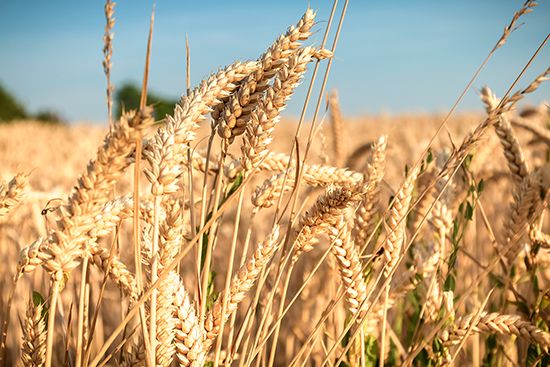
Semolina consists of the purified middlings—or coarse particles—of hard wheat, specifically durum wheat (Triticum durum). It is primarily valued for its role…
What is semolina?
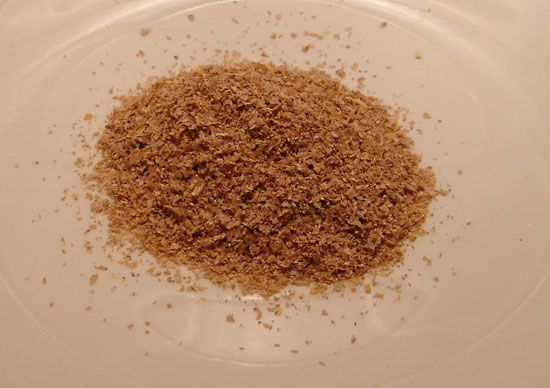
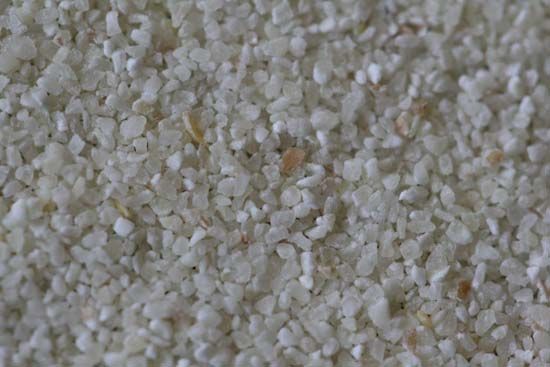
Semolina consists of the purified middlings—or coarse particles—of hard wheat, specifically durum wheat (Triticum durum). It is primarily valued for its role in the production of pasta and alimentary pastes, such as macaroni and spaghetti, where it is mixed with water to create a high-quality dough.1234
Beyond pasta, semolina is used in various culinary applications, including breakfast cereals, puddings, polenta, and as the base for the North African dish couscous1.5
During the milling process, manufacturers aim to produce clean, uniform particles while minimizing the presence of bran and flour. The resulting product contains gluten that is strong enough to provide structure but less elastic than the gluten required for bread making. Ideally, semolina should have a moisture content of approximately 13 percent and low ash content to ensure optimal water absorption and quality.14
How does durum wheat differ from other types of wheat?
Durum wheat (Triticum durum) is a distinct variety of wheat specifically cultivated for its unique physical and chemical properties, which set it apart from other common types like common wheat (Triticum aestivum) and club wheat.
The primary differences include:
- Culinary Application: While common wheat is the standard for bread and club wheat is preferred for delicate items like cakes and pastries, durum wheat is the essential ingredient for pasta and alimentary pastes like spaghetti and macaroni.6
- Milling Product: The endosperm of durum wheat is processed into semolina, which consists of purified, coarse middlings. This product is specifically optimized for water absorption and texture in pasta production.62
- Gluten Characteristics: The gluten in durum wheat is strong but lacks the high elasticity required for leavened bread, making it ideal for the firm, non-elastic structure needed for high-quality pasta.62
What is the role of gluten in making pasta?
In the production of pasta, gluten plays a critical role in providing the necessary structure to the dough. When semolina derived from durum wheat is mixed with water, the gluten proteins form a network that gives the pasta its characteristic firm texture.16
Unlike the gluten required for bread making, which must be highly elastic to trap carbon dioxide and allow the dough to rise, the gluten in pasta needs to be strong but significantly less elastic. This specific quality ensures that the pasta maintains its shape and firmness during the cooking process rather than expanding or becoming overly soft. By providing this stable, non-elastic structure, gluten allows for the creation of high-quality alimentary pastes that hold their form effectively.176
How is couscous traditionally prepared?
Traditionally, couscous is prepared using semolina, which is the endosperm of durum wheat. The preparation process involves several distinct steps:
- Hand-rolling: The semolina grains are traditionally hand-rolled to achieve the desired texture.
- Steaming: The grains are prepared in a couscousière, a specialized two-part pot. The lower compartment holds a stew or broth—typically made with lamb, chicken, chickpeas, and vegetables—while the upper portion, which has a pierced bottom, allows the steam from the cooking stew to cook the couscous above.
- Refining: During the steaming process, the grains are periodically sprinkled with liquid and stirred to prevent clumping and ensure an even texture. This steaming process is repeated several times.
Once cooked, the dish is traditionally served with the accompanying stew and often seasoned with harissa, a spicy sauce made from red peppers and spices.3
Sources
- semolina — Encyclopædia Britannica
- Wheat — Encyclopædia Britannica
- couscous — Encyclopædia Britannica
- semolina — Merriam-Webster
- Cereal processing - Semolina — Encyclopædia Britannica
- Durum wheat — Encyclopædia Britannica
- Gluten — Encyclopædia Britannica
- couscous — Merriam-Webster
Published on · 3 min read