Britannica’s Dog Bingo
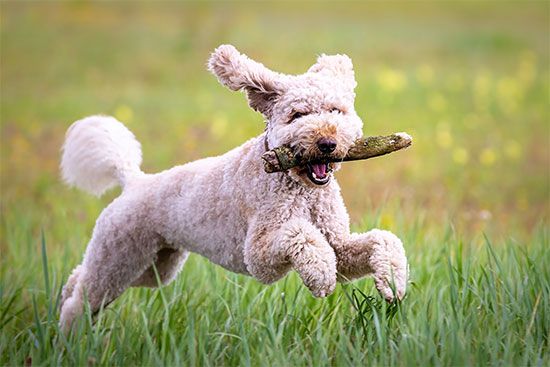
Britannica’s Dog Bingo is an interactive game designed to test your knowledge of various canine breeds. The game features 24 different dog breeds…
What is Britannica’s Dog Bingo?
Britannica’s Dog Bingo is an interactive game designed to test your knowledge of various canine breeds. The game features 24 different dog breeds, challenging players to identify them correctly, such as distinguishing a Bulldog from a Beagle or a Pug from a Poodle.1
What are some common characteristics used to classify dog breeds?
Dog breeds are primarily classified based on their historical function and the specific tasks they were developed to perform, such as hunting, herding, or guarding. This functional classification system, established in the 19th century, remains the standard for major organizations like the American Kennel Club (AKC) and the Kennel Club of England.2
To ensure consistency, each recognized breed is evaluated against a “standard”—a detailed blueprint that outlines the ideal requirements for that breed. These standards typically include:3
- Physical Traits: Requirements for size, weight, coat type, and body structure.456
- Behavioral and Personality Traits: Desired temperament, intelligence, and aptitude for specific roles.536
While the specific number of groups can vary by country—for instance, the U.S. recognizes seven groups while England and Canada recognize six—these categories generally encompass sporting, hound, working, terrier, toy, non-sporting, and herding dogs. These classifications help breeders and owners understand a dog’s natural instincts and care requirements, though individual dogs may still vary in behavior and temperament.2756
How do different dog breeds develop their unique physical traits?
Different dog breeds develop their unique physical traits primarily through selective breeding, a practice where humans mate individuals with desired qualities to increase the frequency of those traits in future generations. Over thousands of years, this process has transformed the domestic dog from its wolf ancestors into more than 400 distinct breeds.89
Breeders often work toward a “standard,” which serves as a blueprint for the ideal physical and behavioral characteristics of a specific breed. These traits are shaped by:6
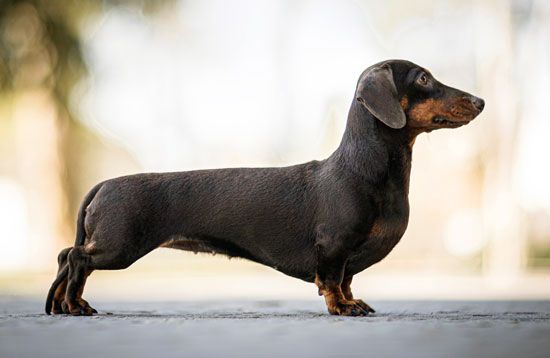
- Functional Selection: Historically, dogs were bred for specific tasks. For example, Greyhounds were developed for speed, resulting in flexible spines and unique gaits, while Dachshunds were bred to hunt underground, leading to their long, low-slung bodies.10
- Genetic Inheritance: Traits may be determined by a single gene or, more commonly, by multiple genes influenced by the environment. Breeders use pedigrees and genetic research to track these traits and minimize health issues.81112
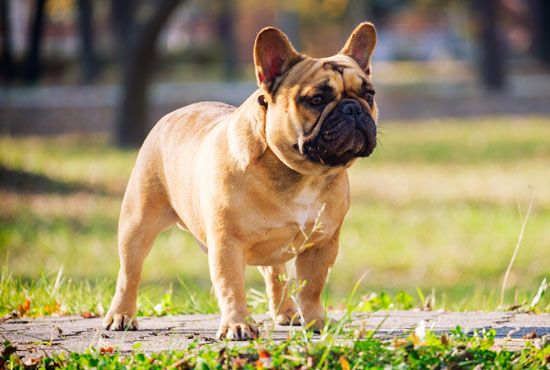
- Aesthetic Preferences: Some traits are selected purely for appearance or companionship, though intense selection for extreme features can sometimes lead to health challenges, such as breathing difficulties in breeds like the French Bulldog difficulties in breeds like the French Bulldog.9
What are some interesting facts about the history of dog domestication?
The history of dog domestication is a complex, ongoing area of study, but several fascinating facts highlight their unique relationship with humans:
- Ancient Origins: Dogs are widely considered the first domesticated animal, appearing in archaeological sites globally by the end of the last glacial period. While the exact timing is debated, genetic evidence suggests the process began in northern Eurasia between 14,000 and 29,000 years ago.1516
- Wolf Ancestry: Dogs descended directly from the wolf. Rather than a single event, domestication was likely a gradual process where wolves trailed nomadic human groups to scavenge remains of game, eventually forming a close bond.16
- Social Intelligence: Dogs possess a remarkable, inherited ability to read human social cues and communication, often outperforming even chimpanzees in these tasks by as early as nine months of age.15
- Genetic Roots: Research indicates that 95 percent of all domesticated dogs trace their ancestry back to a very small number of females—as few as three.15
- Cultural Status: Throughout history, dogs have held varied roles. In ancient Egypt, they were considered sacred, pampered by royalty, and sometimes buried with their owners to provide protection in the afterlife.1718
Sources
- Britannica’s Dog Bingo — Encyclopædia Britannica
- dog - The breeds — Encyclopædia Britannica
- American Kennel Club — Encyclopædia Britannica
- dog - Sporting dogs — Encyclopædia Britannica
- dog - Herding dogs — Encyclopædia Britannica
- dog - Breed standards — Encyclopædia Britannica
- Doberman Pinscher — Encyclopædia Britannica
- dog - Skeletal structure — Encyclopædia Britannica
- selective breeding — Encyclopædia Britannica
- dog - Origin of breeds — Encyclopædia Britannica
- What dog is closest in DNA to a wolf? — Encyclopædia Britannica
- Animal breeding - Accuracy of selection — Encyclopædia Britannica
- dog - Selection — Encyclopædia Britannica
- dog - General characteristics — Encyclopædia Britannica
- Origins of agriculture - Earliest beginnings — Encyclopædia Britannica
- dog - Ancestry — Encyclopædia Britannica
- dog - Role in human societies — Encyclopædia Britannica
- 9 of the World’s Deadliest Mammals - Dogs ( Canis lupus familiaris ) — Encyclopædia Britannica
Published on · 3 min read