Bushbuck
The bushbuck (Tragelaphus scriptus) is a shy, nocturnal antelope belonging to the family Bovidae. Native to sub-Saharan Africa, these animals typically…
What is bushbuck?
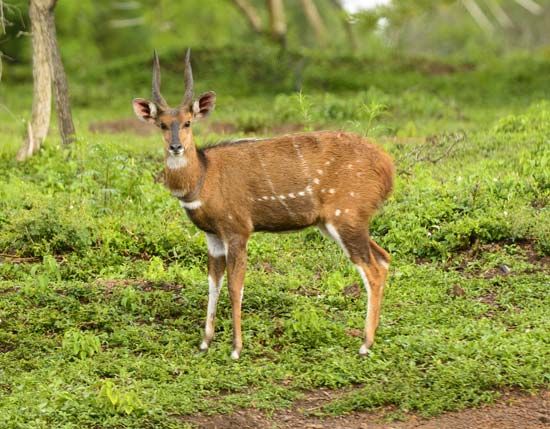
The bushbuck (Tragelaphus scriptus) is a shy, nocturnal antelope belonging to the family Bovidae. Native to sub-Saharan Africa, these animals typically inhabit dense forests and brush near water sources, where they feed primarily on the leaves of shrubs and small trees.12
Standing approximately 1 meter (39 inches) at the shoulder, the bushbuck is usually solitary. Its appearance varies by subspecies, ranging in color from reddish brown to nearly black. They are characterized by distinct white markings on the neck and throat, as well as vertical stripes or spots along their sides. Only the males possess horns, which are spirally twisted and relatively straight.12
What other animals belong to the Bovidae family?
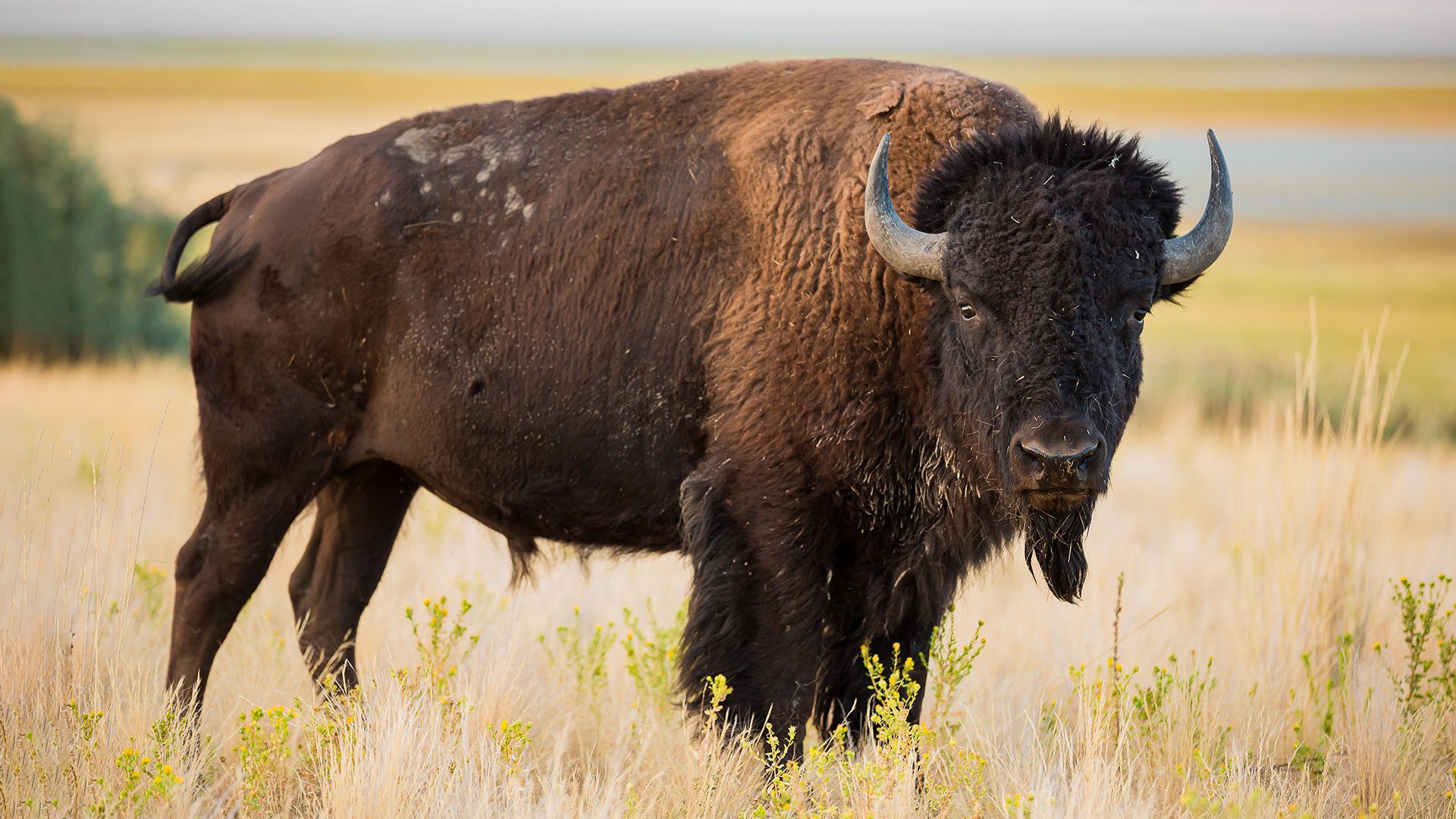
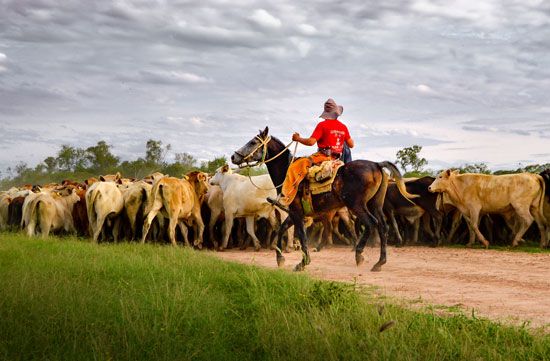
The family Bovidae is a diverse group of 143 species of hoofed mammals that includes cattle, sheep, goats, bison, and a wide variety of antelopes.3
These animals are categorized into several subfamilies based on their evolutionary lineage and physical characteristics:
- Bovinae: Includes cattle, bison, buffaloes, and various antelopes such as the eland, kudu, nyala, nilgai, and the bushbuck.4
- Caprinae: Comprises sheep, goats, and their relatives, including the musk-ox, takin, chamois, serow, goral, and Rocky Mountain goat.4
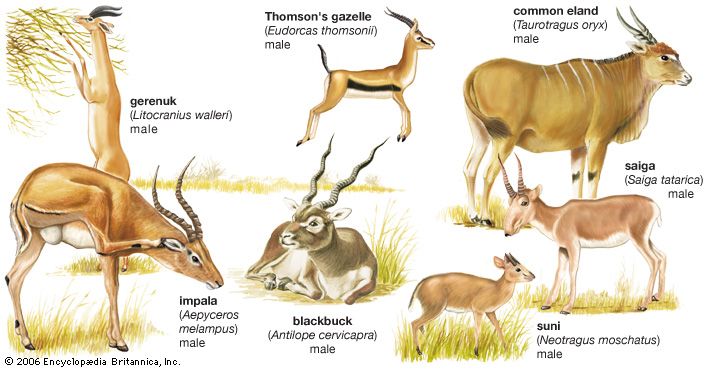
- Antilopinae: Features graceful, long-legged antelopes like gazelles, the springbok, blackbuck, saiga, and chiru.4
- Hippotraginae: Includes grazing antelopes such as the oryx, addax, reedbuck, sable antelope, and waterbucks.4
- Alcelaphinae: Consists of long-faced, plains-living species like wildebeests and hartebeests.4
- Cephalophinae: Primarily small, forest-dwelling antelopes known as duikers.34
How do bushbucks protect themselves from predators?
The provided search results do not contain information regarding the specific defensive behaviors or predator-avoidance strategies of the bushbuck. While the results describe the bushbuck’s physical characteristics and habitat, they do not detail how it protects itself from predators.
What are some other types of African antelopes?
Africa is home to a vast array of antelopes, which are categorized into several tribes based on their physical and behavioral adaptations. These species range from the diminutive royal antelope to the massive giant eland.87
Common types of African antelopes include:
- Spiral-horned antelopes (Tribe Tragelaphini): This group includes the eland, kudu, nyala, and bushbuck.8
- Duikers (Tribe Cephalophini): Small, forest-dwelling antelopes such as the blue duiker and yellow-backed duiker.7
- Grazing antelopes (Tribe Alcelaphini): Includes the wildebeest, hartebeest, and topi..com/animal/hartebeest), and topi.11
- Water-associated antelopes (Tribe Reduncini): Includes reedbucks, kobs, lechwes, and waterbucks.8
- Horse antelopes (Tribe Hippotragini): Includes roan antelopes, sable antelopes, oryxes, and addaxes.8
- Gazelles and allies (Tribe Antilopini): Includes various gazelles, the springbok, and the gerenuk.8
- Dwarf antelopes (Tribe Neotragini): Includes klipspringers, oribis, and dik-diks.8
Sources
- bushbuck — Encyclopædia Britannica
- bushbuck — Merriam-Webster
- bovid — Encyclopædia Britannica
- artiodactyl - Annotated classification — Encyclopædia Britannica
- bovid - Social organization — Encyclopædia Britannica
- blackbuck — Encyclopædia Britannica
- duiker — Encyclopædia Britannica
- antelope — Encyclopædia Britannica
- What is the largest antelope? — Encyclopædia Britannica
- elephant - Conservation — Encyclopædia Britannica
- topi — Encyclopædia Britannica
Published on · 2 min read