Charismatic Megafauna
Charismatic megafauna refers to popular, attractive, and well-known animals frequently utilized by conservation organizations to generate public interest and…

What are charismatic megafauna?
Charismatic megafauna refers to popular, attractive, and well-known animals frequently utilized by conservation organizations to generate public interest and funding. While the term often implies large creatures, it can include smaller animals with broad appeal, such as koalas or penguins1.
These animals often serve as:
- Umbrella species: Protecting them helps preserve the entire ecosystem and the other species sharing their habitat.1
- Flagship species: They act as public symbols or ambassadors for conservation campaigns, such as the giant panda for the WWF.1
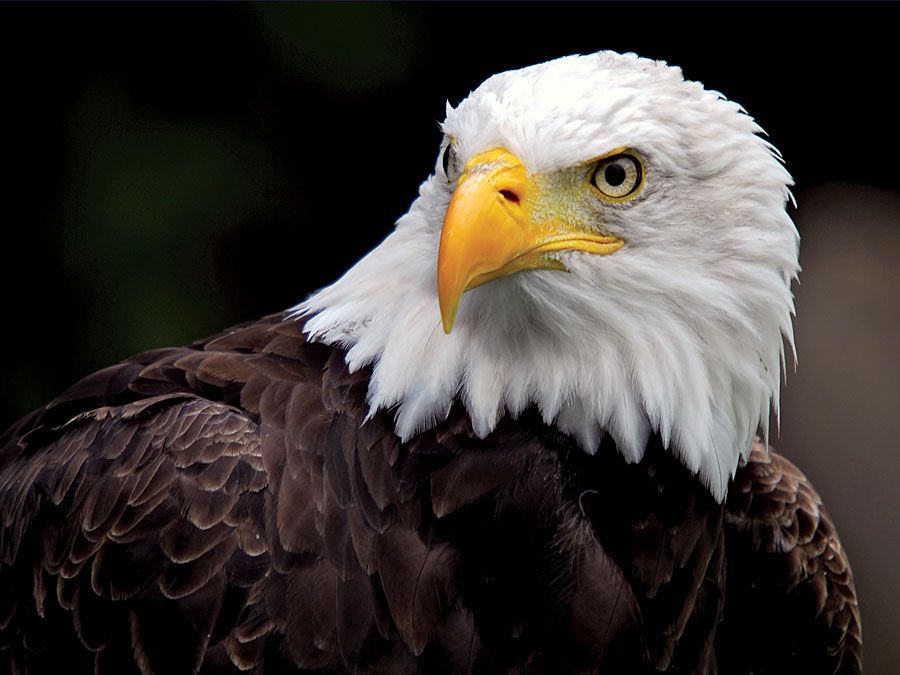
While these campaigns can be highly successful—as seen with the recovery of the bald eagle—they remain controversial. Critics argue that focusing on “cuddly” animals may divert attention and resources from less attractive but equally endangered species, such as insects or reptiles. Additionally, “flagship fatigue” can occur when the public becomes overexposed to specific symbols, potentially diminishing their effectiveness.1

Why are animals like elephants, tigers, and whales called charismatic megafauna?
Animals like elephants, tigers, and whales are termed charismatic megafauna because they are popular, attractive, and widely recognized, making them highly effective for generating public interest and funding for conservation efforts.1
These animals often serve as:
- Flagship species: They act as public symbols or ambassadors for specific habitats, appearing in media and promotional materials to drive support for environmental causes.1
- Umbrella species: Because they are popular, protecting them encourages the public to support the preservation of their entire ecosystem, which indirectly benefits less “charismatic” species sharing the same habitat.1
- Keystone species: Some, like tigers, play a vital role in maintaining the health and function of their environment, such as by acting as apex predators that keep other populations in check.1
While these campaigns can be successful, they are sometimes criticized for potentially diverting resources away from less attractive but equally endangered species, or for creating “flagship fatigue” among the public.1
Why are many charismatic megafauna endangered?
Many charismatic megafauna are endangered primarily due to human activities, which are responsible for roughly 99 percent of threats to biodiversity. These threats include:1
- Habitat Loss and Degradation: Human encroachment, logging, and the conversion of land for agriculture have significantly reduced the ranges required by large species like tigers and orangutans to survive.23
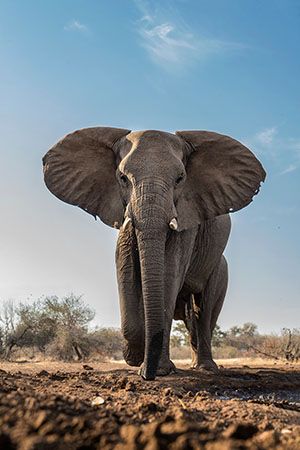
- Poaching: Many species are illegally hunted for commercial profit or black-market trade. Elephants are slaughtered for ivory, while rhinoceroses are targeted for their horns, which are highly valued in traditional medicine and for ornamental use.34
- Unsustainable Hunting and Fishing: Beyond poaching, commercial activities such as whaling and the use of gill nets have decimated populations of marine animals like blue whales and vaquitas.24
- Other Factors: Species also face risks from disease, global warming, pollution, and the introduction of invasive species.4
Because these animals often have complex social structures or slow reproductive rates, the loss of even a few individuals can have catastrophic impacts on their ability to sustain their populations.2
How can protecting charismatic megafauna help other species and the environment?
Protecting charismatic megafauna serves as a powerful strategy for broader environmental conservation through several key roles:
- Umbrella Species: Because these animals are popular and attract significant public attention, they act as proxies for their entire habitat. Efforts to protect them often necessitate the preservation of large areas of land or water, which indirectly safeguards the many less-charismatic plants and animals that share that same environment.1
- Flagship Species: As public symbols or ambassadors, these species are highly effective at raising awareness and generating the funding necessary to support conservation programs. By highlighting the threats to a well-known animal, organizations can educate the public on the importance of protecting entire ecosystems.1
- Keystone Species: Many charismatic animals also function as keystone species, meaning they have a disproportionately large impact on their community’s health. For example, apex predators like tigers or sea otters help maintain balance by controlling other populations or preventing habitat destruction, which is vital for the survival of numerous other species.16
Sources
- charismatic megafauna — Encyclopædia Britannica
- Falling Stars: 10 of the Most Famous Endangered Species — Encyclopædia Britannica
- poaching — Encyclopædia Britannica
- endangered species - Human beings and endangered species — Encyclopædia Britannica
- conservation - Protecting species — Encyclopædia Britannica
- community ecology - Keystone species — Encyclopædia Britannica
Published on · 3 min read