Cayenne Pepper
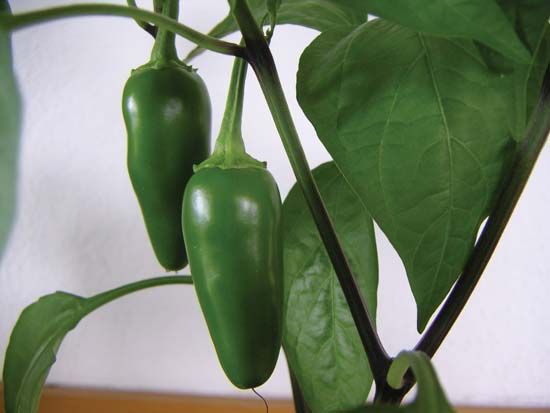
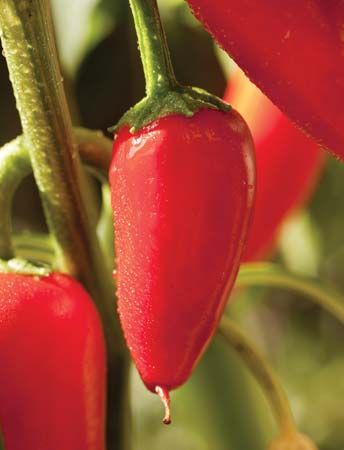
Cayenne pepper is a small-fruited chili pepper cultivar of the species Capsicum annuum. It is widely recognized as a pungent spice produced by drying and…
What is cayenne pepper?
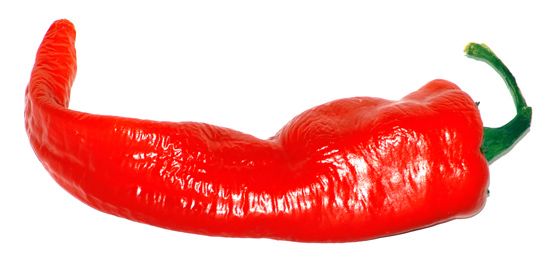
Cayenne pepper is a small-fruited chili pepper cultivar of the species Capsicum annuum. It is widely recognized as a pungent spice produced by drying and grinding the plant’s orange to deep-red fruits.12
The characteristic heat of the pepper is derived from capsaicin, an active chemical component. On the Scoville scale, which measures the spiciness of peppers, cayenne typically ranges between 30,000 and 50,000 Scoville Heat Units (SHU).13
Beyond its culinary applications—frequently used in Creole, Cajun, and various international cuisines—the pepper is valued for its nutritional content, including various vitamins. It is also utilized in traditional medicine and pharmaceutical preparations, particularly for pain relief and the treatment of other maladies. The plant is believed to have originated in Cayenne, French Guiana.14
What is capsaicin and how does it create the sensation of heat?
Capsaicin is an organic nitrogen compound and the primary pungent component found in chili peppers. It is a lipid-soluble substance, often concentrated in the internal partitions of the fruit, that produces a distinct burning sensation when consumed or applied to the skin.567
The sensation of heat is created through a specific biological mechanism involving the human nervous system. Capsaicin acts as an excitatory compound that binds to a specific receptor known as TRPV1 (transient receptor potential cation channel subfamily V member 1), located on the nerve endings of the skin and other tissues.8
Normally, TRPV1 functions as an ion channel that detects physical heat. When capsaicin binds to this receptor, it triggers the channel to open, sending electrical signals to the brain that are interpreted as a burning, painful sensation—essentially “tricking” the nervous system into perceiving heat where there may be none. This discovery, elucidated by physiologist David Julius, provided critical insights into how we sense pain and temperature.8
How do growing conditions affect the spiciness of a pepper?
Growing conditions, alongside natural genetic variation, play a significant role in determining the concentration of capsaicin within individual chili peppers. Because of these environmental factors, even peppers of the same type or cultivar can exhibit a wide range of heat levels when measured in Scoville Heat Units (SHU).
While the specific environmental variables—such as soil composition, water availability, and temperature—are complex, they directly influence the plant’s metabolic production of capsaicinoids. This variability is one reason why the Scoville scale often presents heat levels as a range or an average rather than a single fixed number for a specific variety. Consequently, a pepper grown in one set of conditions may be significantly milder or hotter than an identical variety grown elsewhere.2
What are some other plants in the Solanaceae family?
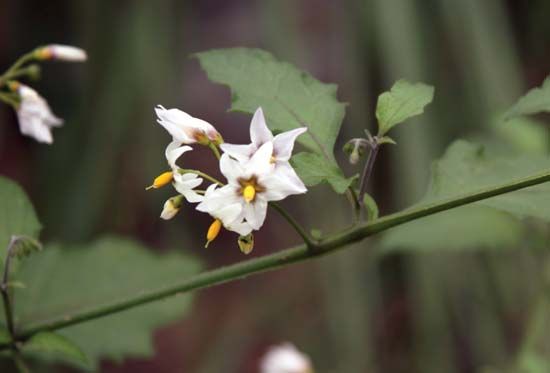
The Solanaceae family, often called the nightshade or potato family, is a diverse group comprising over 100 genera and approximately 2,280 species. While many members are known for their economic importance as food crops, others are recognized for their ornamental value or their production of toxic alkaloids.910
Beyond common food staples like potatoes, tomatoes, eggplants, and various peppers, the family includes a wide array of other plants:
- Ornamentals: Popular garden plants such as petunias, angel’s trumpets, and various species within the Brugmansia and Datura genera.910
- Medicinal and Chemically Active Plants: Tobacco (Nicotiana), ashwagandha, belladonna, henbane, and mandrake.910
- Other Edibles: Goji berries, ground cherries, Cape gooseberries, and tomatillos.9
- Wild Species: Various nightshades, including jimsonweed, buffalo bur, and woody nightshade.9
Sources
- cayenne pepper — Merriam-Webster
- Scoville scale — Encyclopædia Britannica
- cayenne pepper — Encyclopædia Britannica
- cayenne pepper: Top Questions — Encyclopædia Britannica
- Capsaicin — Encyclopædia Britannica
- David Julius — Encyclopædia Britannica
- Pepper — Encyclopædia Britannica
- habanero — Encyclopædia Britannica
- list of plants in the family Solanaceae — Encyclopædia Britannica
- Solanales - Family characteristics — Encyclopædia Britannica
- Nightshade — Encyclopædia Britannica
- Solanaceae — Encyclopædia Britannica
Published on · 3 min read