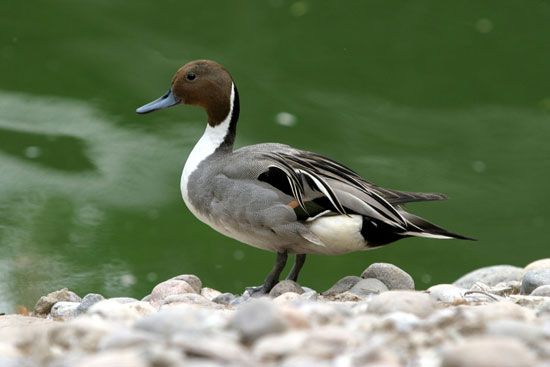
Dabbling Duck
Dabbling ducks communicate through a combination of vocalizations, visual displays, and ritualized movements, which are essential for social integration…
How do dabbling ducks communicate with each other?
Dabbling ducks communicate through a combination of vocalizations, visual displays, and ritualized movements, which are essential for social integration, flock cohesion, and courtship.1
Vocal and Visual Communication
Vocalizations in dabbling ducks are relatively simple and typically include various honks, whistles, grunts, and quacks used to maintain contact within a flock. Visual signals are also highly developed; for instance, ducks often indicate the intention to fly through head-shaking or chin-lifting, ensuring the group takes off together. Aggressive displays, such as thrusting the head forward with an open bill, help establish dominance orders and prevent physical injury.1
Courtship Displays
Courtship is a primary context for complex communication. Males often perform striking, ritualized displays to attract females, who appear to select their mates based on these performances. Examples include:1
- Head-up-tail-up: A simultaneous upward jerk of the head and tail, accompanied by lifting the wings to reveal the metallic-colored speculum feathers.1
- Grunt-whistle: A sequence involving throwing an arc of water at the female, followed by rearing up, shaking the head and tail, and vocalizing.1
What are the migration patterns of dabbling ducks?
Dabbling ducks are strongly migratory birds, particularly those inhabiting the temperate regions of the Northern Hemisphere. Their migratory behavior is a complex process involving both innate and learned components.51
Mechanisms of Migration
- Innate Direction: Young dabbling ducks possess an innate sense of direction, allowing them to begin their autumn migration in the correct general path even without guidance from older birds.1
- Navigation: These birds can determine their orientation by referencing the position of the Sun and the patterns of the stars. While the ability to use these celestial cues is innate, the specific details regarding the Sun’s movement and star patterns must be learned.1
- Physiological Preparation: Prior to migration, ducks undergo metabolic changes, including the accumulation of fat in body tissues to serve as energy reserves. This process is regulated by the pituitary gland and influenced by environmental factors like day length.6
Environmental Influence
While internal rhythms prepare the birds for flight, the actual initiation of migration is often triggered by ecological conditions, such as food availability and weather patterns. Sudden cold weather in autumn can induce an immediate departure. During their journey, ducks may adapt their diet based on the resources available along their route to ensure survival.62
What are the defining characteristics of dabbling ducks?
Dabbling ducks, which belong to the tribe Anatini within the family Anatidae, are defined by several distinct physical and behavioral characteristics:
- Feeding Behavior: They primarily feed on water plants by “tipping up” in shallow water, submerging their heads and necks while keeping their tails in the air. Unlike diving ducks, they rarely submerge completely to forage.25
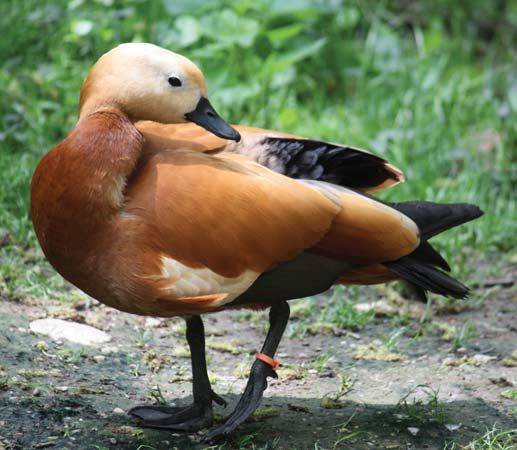
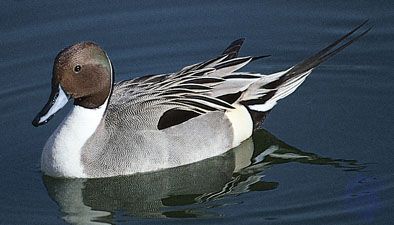
- Physical Features: They possess a flat, broad bill and an unlobed hindtoe. They float high in the water and are known for being swift fliers that leap directly upward from the water into flight.2
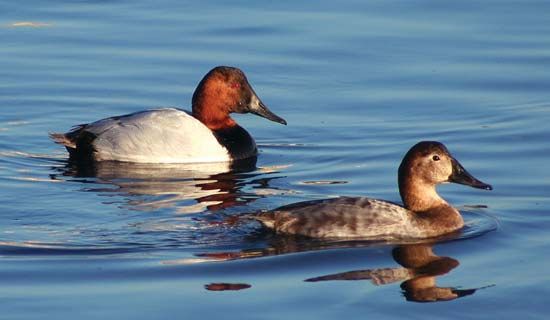
- Plumage and Vocalization: Males (drakes) typically exhibit bold, colorful plumage, while females (hens) are generally drabber. Hens are usually more vocal, often producing frequent and loud quacking sounds.27
- Habitat and Migration: They are found worldwide, primarily on inland waters, and are most common in the temperate regions of the Northern Hemisphere. Most species are strongly migratory.2
- Life Cycle: They typically mature within their first year and pair for a single season. Hens nest in grass-lined hollows near the water, where they incubate their eggs and raise their young alone.27
How do dabbling ducks differ from diving ducks in their feeding habits?
Dabbling ducks and diving ducks utilize distinct foraging strategies adapted to their specific environments and physical traits.
Dabbling Ducks
Dabbling ducks primarily feed in shallow water or on land. Their signature behavior is “tipping up,” where they submerge their heads and necks to reach aquatic vegetation while keeping their tails pointed toward the surface. They rarely dive completely underwater, though they may occasionally do so with open wings if necessary. Their diet consists of seeds, grasses, insects, and small invertebrates found in shallow ponds, marshes, or near the shore.52
Diving Ducks
In contrast, diving ducks are specialized for underwater foraging. They possess streamlined bodies and rear-set legs that make them efficient swimmers, allowing them to dive to depths exceeding 20 feet. This adaptation enables them to exploit food sources at the bottom of deeper bodies of water, such as lakes, bays, and coastal areas. Their diet typically includes mussels, crabs, crayfish, and submerged vegetation that is inaccessible to dabbling species.5
Sources
- Anseriform - Behaviour — Encyclopædia Britannica
- Dabbling duck — Encyclopædia Britannica
- Courtship — Encyclopædia Britannica
- Animal social behavior - Social interactions involving sex — Encyclopædia Britannica
- What do ducks eat? — Encyclopædia Britannica
- Migration - Physiological stimulus of migration — Encyclopædia Britannica
- Duck — Encyclopædia Britannica
Published on · 4 min read