Diving Duck
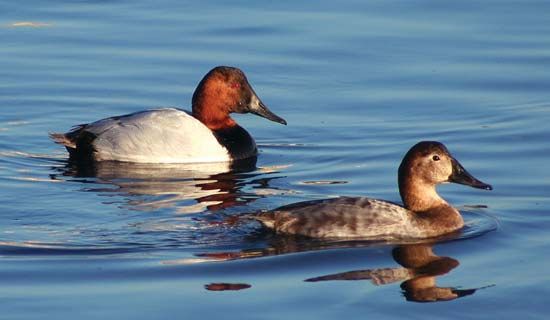
Diving ducks possess several specialized adaptations that enable them to forage effectively underwater:
What adaptations do diving ducks have that allow them to excel at underwater foraging?
Diving ducks possess several specialized adaptations that enable them to forage effectively underwater:
- Physical Structure: They have streamlined bodies and legs positioned far back on the body, which makes them highly efficient swimmers.12
- Locomotion: While swimming submerged, they propel themselves by sculling their webbed feet together. In some species, the wings are used for steering rather than propulsion.2
- Respiratory Physiology: When underwater, these ducks rely on oxygen stored in their blood and muscles (hemoglobin and myoglobin) rather than their respiratory system. Their air sacs compress to reduce buoyancy, and their blood flow is modified to prioritize the central nervous system. Notably, their breathing is not stimulated by carbon dioxide accumulation as it is in land mammals.3
- Salt Regulation: For species in marine or brackish environments, enlarged nasal glands allow for the efficient excretion of salt.3
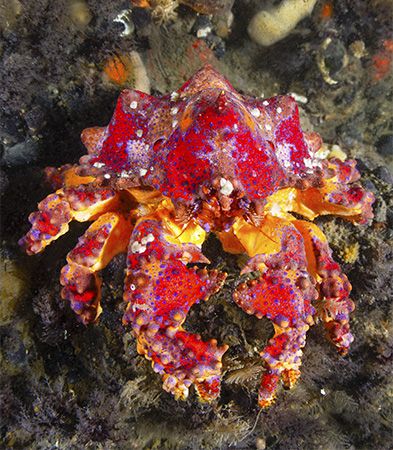
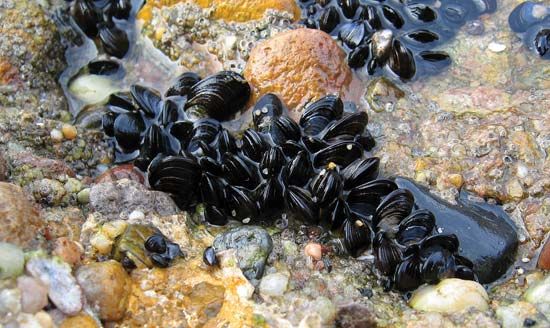
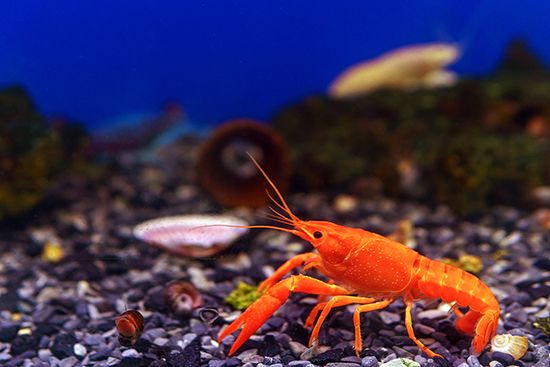
These adaptations allow diving ducks to reach depths of over 20 feet to feed on items like crabs, mussels, and crayfish.12
How do diving ducks’ breeding and nesting habits differ from other waterfowl?
Diving ducks share many fundamental reproductive behaviors with other waterfowl, such as nesting on the ground, female-led incubation, and the use of down feathers to line nests and protect eggs. However, their breeding biology is often influenced by their specialized aquatic lifestyle and specific environmental pressures.17
Key aspects of their breeding and nesting habits include:
- Nest Parasitism: In certain groups of diving ducks, such as pochards and stifftails, nest parasitism—where a female lays eggs in the nest of another bird—is common enough to significantly influence their breeding biology.1
- Incubation and Fasting: Some diving ducks, such as the common eider, exhibit intense nesting dedication; the female may fast for the entire four-week incubation period, relying on stored energy reserves.1
- Environmental Adaptation: Because many diving ducks inhabit northern or coastal regions, their breeding cycles are often tightly synchronized with local weather patterns. For instance, the white-winged scoter has a notably extended egg-laying period compared to other waterfowl.1
- Nesting Materials: Like other ducks, they utilize down plucked from the female’s breast to insulate the clutch, a practice famously associated with eiders, whose down is highly valued for its thermal properties.18
What are the defining characteristics of diving ducks?
Diving ducks are characterized primarily by their specialized ability to forage for food by submerging completely in deep water, distinguishing them from dabbling ducks that feed by tipping forward in the shallows.12
Key defining characteristics include:
- Physical Adaptations: They possess streamlined bodies and legs positioned far back on the body, which serve as highly efficient tools for underwater swimming.1
- Foraging Behavior: Unlike dabblers, these ducks dive to the bottom of lakes, bays, and coastal waters—sometimes reaching depths of over 20 feet—to consume crabs, mussels, crayfish, and submerged vegetation.1
- Takeoff Mechanics: Because of their specialized swimming anatomy, they cannot spring directly into the air like pond ducks; instead, they require a long, spattering run along the water’s surface to achieve flight.6
- Classification: They are often categorized as either “bay ducks” (tribe Aythyini) or “sea ducks” (tribes Mergini and Somateriini), depending on their kinship and preference for marine or estuarine environments.2
How do diving ducks’ migration patterns differ from other waterfowl?
Diving ducks follow migration patterns that are fundamentally similar to those of other waterfowl, as their movements are driven by the need to exploit fluctuating food resources across different life zones. Like other migratory birds, their annual cycles are governed by internal rhythms, including hormonal changes and fat accumulation, which prepare them for long-distance travel between breeding grounds and wintering areas.1410
While the provided search results do not detail specific migratory routes that uniquely distinguish diving ducks from other waterfowl, they highlight several shared ecological drivers:
- Resource Exploitation: Diving ducks, like other water birds, migrate from high-productivity northern regions—such as the Arctic—to warmer climates as winter approaches and food becomes scarce.4
- Environmental Sensitivity: Their migration is not solely fixed by internal biological clocks; it is also influenced by ecological conditions such as temperature, weather patterns, and the availability of food along their migratory routes.110
- Physiological Preparation: Prior to migration, diving ducks undergo metabolic changes, including the deposition of fat, which is essential for surviving the energy demands of their journey.10
Sources
- What do ducks eat? — Encyclopædia Britannica
- Diving duck — Encyclopædia Britannica
- Anseriform - Physiology — Encyclopædia Britannica
- Anseriform - Locomotion — Encyclopædia Britannica
- Locomotion - Tetrapodal vertebrates — Encyclopædia Britannica
- Bird - Swimming and diving — Encyclopædia Britannica
- Anseriform - Reproductive behaviour — Encyclopædia Britannica
- Dabbling duck — Encyclopædia Britannica
- Did you know? — Merriam-Webster
- Migration - Physiological stimulus of migration — Encyclopædia Britannica
- Migration - Ecological significance of migration — Encyclopædia Britannica
Published on · 3 min read